
Selecting the right material for demanding industrial applications often hinges on understanding specialized alloys. Nickel alloy grades, including Inconel, Hastelloy, Monel, and Ni200, stand out for their exceptional performance in extreme conditions. These materials are engineered to withstand challenges that conventional metals cannot, from highly corrosive chemical environments to intensely high temperatures. This article clarifies the distinctions among these critical alloys, guiding engineers and procurement managers toward optimal material choices.
Nickel alloys are a class of superalloys where nickel forms the primary element, typically comprising at least 30% of the composition. These materials exhibit superior mechanical strength, corrosion resistance, and high-temperature stability that standard metals simply cannot match. Their unique properties stem from precise alloy composition, where elements like chromium, molybdenum, copper, iron, and others are added in specific proportions.
Each addition refines the material properties, tailoring the alloy for particular industrial uses. Understanding their UNS designations and ASTM standards is critical for specifying the correct material. Some nickel alloy grades are designed for chemical processing, others for aerospace applications, and still others for marine environments or oil and gas industry infrastructure. The selection process requires matching the alloy’s engineered characteristics to the specific environmental stresses it will face in service.
The performance of nickel alloy grades is fundamentally defined by their ability to maintain integrity under duress. Corrosion resistance is paramount in environments containing aggressive acids, alkalis, or saltwater, preventing material degradation and ensuring longevity. High-temperature strength allows these alloys to operate reliably in elevated thermal conditions, resisting creep and maintaining structural stability even when temperatures exceed what would cause conventional steels to fail.
Mechanical strength, encompassing tensile strength and yield strength, ensures the material can withstand significant loads without deformation or fracture. Oxidation resistance is another vital property, particularly at high temperatures, where alloys must resist reaction with oxygen that would otherwise degrade surface integrity. Some alloys also demonstrate excellent resistance to stress corrosion cracking and maintain ductility at cryogenic temperatures, making them versatile across temperature extremes.
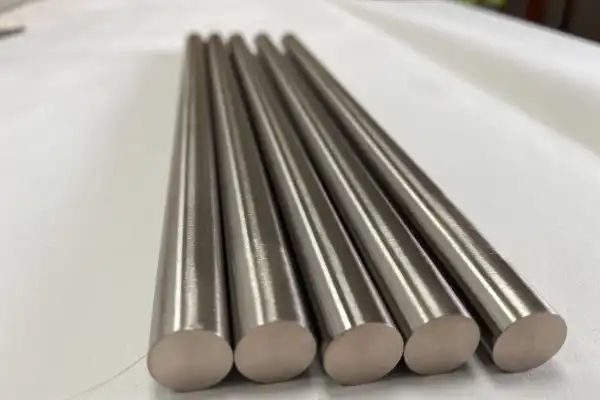
Selecting materials with precise properties is critical for reliability in demanding applications. At FOTMA, our expertise in non-ferrous metals ensures we supply high-grade nickel alloys that meet stringent performance requirements. When a client needed a material for a heat exchanger operating in a highly acidic environment, we recommended a specific nickel-molybdenum alloy. The material demonstrated excellent resistance to pitting and crevice corrosion, extending the component’s operational life by over 50% compared to previous stainless steel solutions.
Here is a general overview of property ranges for high-performance nickel alloy grades:
| Property | Typical Range (Nickel Alloys) |
|---|---|
| Tensile Strength | 550 – 1000 MPa |
| Yield Strength | 200 – 700 MPa |
| Operating Temperature | Up to 1200°C |
| Corrosion Resistance | Excellent |
| Oxidation Resistance | Very Good |
| Weldability | Good to Moderate |
Each nickel alloy grade offers a distinct set of characteristics, making it suitable for specific demanding applications. Understanding these differences is essential for making informed material selections.
Inconel alloys are primarily nickel-chromium compositions, often with additions of iron, molybdenum, and niobium. Inconel is renowned for its exceptional high-temperature strength and oxidation resistance, making it a preferred choice for aerospace applications, gas turbines, and high-temperature furnace components. The precipitation hardening mechanisms in many Inconel grades contribute to their superior strength at elevated temperatures, allowing components to maintain structural integrity where other alloys would soften and fail.
Hastelloy grades are distinguished as nickel-molybdenum or nickel-chromium-molybdenum alloys, celebrated for their outstanding corrosion resistance in extremely aggressive chemical environments. They excel in handling strong acids, chlorides, and other harsh chemicals, making them indispensable in chemical processing, pollution control, and nuclear industries. Where Inconel prioritizes thermal performance, Hastelloy prioritizes chemical inertness.
Monel is a nickel-copper alloy that combines high strength with excellent corrosion resistance, particularly in marine environments and against caustic solutions. Its resistance to seawater corrosion and steam at high temperatures makes it valuable for marine engineering, oil and gas extraction, and chemical processing equipment. The copper content gives Monel properties that neither pure nickel nor nickel-chromium alloys can replicate in saltwater service.
Ni200 represents commercially pure nickel (typically 99% nickel). Ni200 offers excellent corrosion resistance to caustic alkalis, good electrical and thermal conductivity, and magnetic properties. It is often used in electronic components, food processing equipment, and caustic handling systems where high purity and specific electrical properties are required. Its simplicity is its strength in applications where alloying elements would interfere with conductivity or introduce contamination risks.
Choosing the correct nickel alloy requires a careful evaluation of the operational environment, required mechanical properties, and economic considerations. A direct comparison helps reveal the optimal choice for specific environmental and operational requirements. Factors such as cost comparison, weldability, and fabrication challenges also play a significant role in material selection. Adhering to ASTM standards ensures material quality and performance consistency across suppliers.
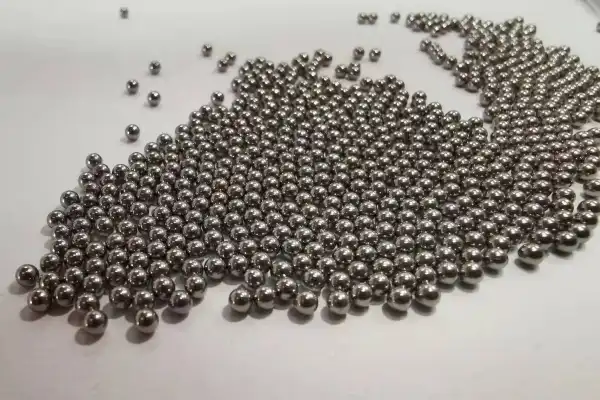
At FOTMA, we often assist clients in navigating these choices, providing material selection guidance based on decades of experience with nickel alloy grades. When an oil and gas client needed components for sour gas service, we advised against a standard stainless steel and recommended a Hastelloy grade due to its proven resistance to hydrogen sulfide and chlorides. This prevented premature failure and costly downtime that would have resulted from using a less suitable material. Our team ensures that the supplied materials meet the precise specifications for such critical industrial uses.
Here is a comparison of these nickel alloy grades:
| Feature | Inconel | Hastelloy | Monel | Ni200 (Pure Nickel) |
|---|---|---|---|---|
| Primary Strength | High-temperature strength | Corrosion resistance (aggressive chems) | Corrosion resistance (marine, caustics) | Caustic resistance, electrical cond. |
| Key Elements | Ni-Cr-Fe | Ni-Mo, Ni-Cr-Mo | Ni-Cu | Pure Ni (99%) |
| Applications | Aerospace, gas turbines, heat treat. | Chemical processing, pollution control | Marine, oil & gas, chemical processing | Electronics, food handling, caustic tanks |
| Relative Cost | High | Very High | Moderate to High | Moderate |
| Weldability | Good, but requires care | Good, but susceptible to cracking | Good | Excellent |
The cost differential between these nickel alloy grades reflects their compositional complexity and manufacturing requirements. Hastelloy’s premium price stems from its molybdenum content and the precision required in its production. Inconel commands high prices due to the specialized heat treatments needed to achieve its precipitation-hardened microstructure. Monel and Ni200 are relatively more accessible, though still significantly more expensive than standard stainless steels.
If your application involves aggressive chemical exposure combined with elevated temperatures, discussing the specific chemical concentrations and thermal cycles with a materials specialist is worth the time before committing to a grade.
Strategic material selection is not merely about choosing the strongest or most corrosion-resistant alloy. It involves a comprehensive analysis of the entire operational context, including the specific chemical processing conditions, the thermal cycles in aerospace applications, or the pressure and corrosive elements in the oil and gas industry.
An informed decision ensures long-term reliability and cost-effectiveness in critical industrial processes. The initial material cost represents only a fraction of the total cost of ownership when factoring in maintenance intervals, replacement frequency, and the consequences of unexpected failure. A component that costs twice as much but lasts three times as long while requiring less maintenance represents a clear economic advantage.
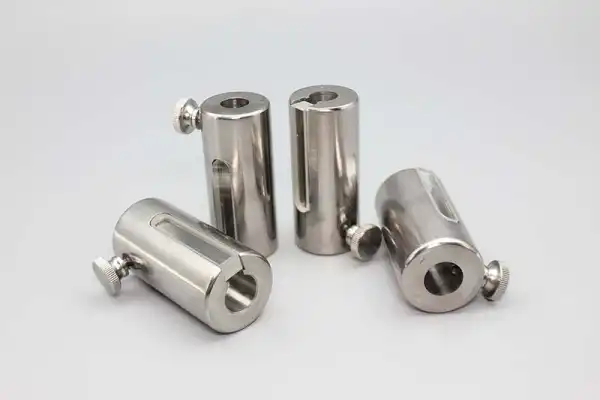
FOTMA provides complete solutions, from material consultation to manufacturing, ensuring that the chosen nickel alloy grades perform as expected in your engineering design. Our material research capabilities, built over 30 years of technical accumulation, allow us to offer precise guidance on matching alloy characteristics to application requirements.
Yes, nickel alloy grades generally have a higher upfront cost than stainless steel due to their complex compositions and specialized manufacturing processes. The nickel content alone drives significant cost, and the addition of elements like molybdenum, chromium, and niobium adds further expense. Their superior corrosion resistance and performance in extreme conditions often lead to lower long-term maintenance and replacement costs, which can offset the initial investment in applications where stainless steel would fail prematurely.
Fabricating nickel alloy grades can be challenging due to their high strength and work-hardening tendencies. Tool wear accelerates compared to working with standard steels, requiring carbide or ceramic tooling in many cases. Distortion during welding is common, and achieving optimal weldability requires specialized techniques, proper filler materials, and careful control of heat input. Experienced personnel familiar with the specific alloy’s behavior are essential to ensure structural integrity in the finished component.
Verifying quality involves requesting material test reports (MTRs) and ensuring compliance with recognized standards like ASTM standards or UNS designations. These documents should include chemical composition analysis, mechanical property test results, and heat treatment records where applicable. Independent third-party testing and supplier certifications also provide assurance of authenticity and material properties. For critical applications, specifying positive material identification (PMI) testing on delivery adds another layer of verification. Contact FOTMA at +86 13995656368 or email [email protected] to discuss your specific material requirements and verification needs.
If you’re interested, check out these related articles:
What Is A Carbide Blade Good For
Molybdenum Wire Price And Its Importance In Industrial Applications