
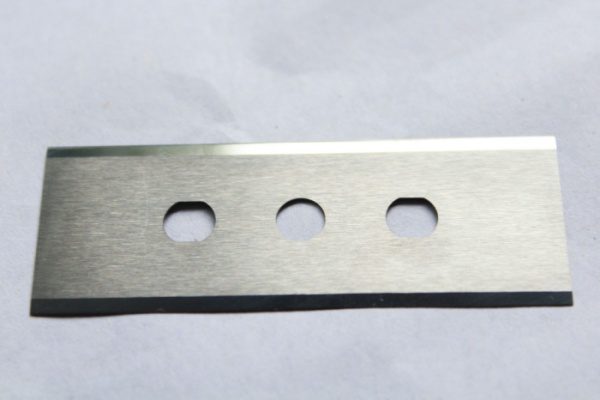
Titanium sheet fabrication demands precision at every step. The material’s strength-to-weight ratio and corrosion resistance make it essential for aerospace, medical, and chemical processing applications, but its low ductility and reactivity with atmospheric gases create processing constraints that other metals simply do not present. Getting consistent results requires understanding how titanium behaves under stress, heat, and mechanical force, then matching those behaviors to the right equipment and techniques. How Titanium’s Properties Shape Fabrication Decisions Titanium’s mechanical and chemical characteristics determine which fabrication methods work and which create problems. The material’s strength-to-weight ratio exceeds most structural metals, which is why it dominates weight-critical applications. Its corrosion resistance comes from a stable oxide layer that forms naturally on the surface. Biocompatibility makes it the standard for medical implants where tissue contact is permanent. These same properties complicate fabrication. Low ductility at room temperature means titanium resists deformation more than aluminum or mild steel. The material work-hardens rapidly during forming, increasing hardness and reducing remaining ductility with each pass. At elevated temperatures, titanium reacts aggressively with oxygen and nitrogen in the atmosphere, forming brittle surface layers that compromise fatigue life. Different grades present different fabrication profiles. The table below summarizes common grades and their processing characteristics: Titanium Grade Key Characteristics Typical Applications Grade 1 (CP) High ductility, good formability Chemical processing, medical Grade 2 (CP) Good strength, excellent corrosion resistance Aerospace, marine, power generation Grade 5 (Ti-6Al-4V) High strength, good fatigue resistance Aerospace, medical implants Grade 7 (Ti-0.15Pd) Excellent corrosion resistance in reducing acids Chemical processing Grade selection happens early in the design process, but fabrication planning must account for how each grade responds to cutting, forming, and heat treatment. Selecting the Right Cutting Method for Your Titanium Sheet Titanium’s hardness and work-hardening behavior make cutting method selection critical. The wrong approach produces poor edge quality, excessive heat-affected zones, or both. Each method offers trade-offs between speed, precision, thermal impact, and cost. Waterjet cutting eliminates thermal concerns entirely. The process uses high-pressure water mixed with abrasive particles to erode material without generating heat. Edge quality is excellent, and the material’s metallurgical properties remain unchanged through the cut zone. The drawbacks are speed and operating cost, particularly for thicker sections where cutting rates drop significantly. Laser cutting delivers high precision and narrow kerf widths on thinner sheets. Modern fiber lasers handle titanium effectively, though the heat-affected zone requires attention. For sheets under 6mm, laser
Global buyers sourcing high-performance components frequently work with original equipment manufacturer (OEM) partners for specialized materials like titanium fasteners. These components serve applications that demand exceptional strength-to-weight ratios, corrosion resistance, and biocompatibility. The details matter—material specification, manufacturing capability, and supply chain reliability all determine whether a sourcing decision pays off or creates downstream problems. This article covers the strategic considerations that separate productive OEM partnerships from costly missteps. Why titanium fasteners make sense for demanding industrial applications Titanium alloys combine properties that few other materials can match in a single package. The strength-to-weight ratio stands out first: titanium delivers structural integrity comparable to steel at roughly half the density. In aerospace and high-performance automotive work, that weight reduction translates directly into fuel savings and performance gains that compound over the life of the equipment. Corrosion resistance is the second major advantage. A passive oxide layer forms naturally on titanium’s surface, creating a barrier against chlorides, acids, and seawater that holds up for decades rather than years. Marine equipment, chemical processing systems, and medical implants all depend on this durability. Titanium Alloy (Ti-Alloy) products come in multiple grades—alpha, alpha-beta, and beta alloys—with Ti-6Al-4V being the workhorse choice for applications that need balanced mechanical properties and proven performance. The grade selection depends entirely on what the application demands. Commercially pure titanium (CP Ti) grades 1 through 4 offer excellent corrosion resistance and formability, with strength increasing from Grade 1 to Grade 4. When higher strength is required, Grade 5 (Ti-6Al-4V) becomes the standard option. This alpha-beta alloy provides the combination of strength, toughness, and elevated temperature performance that aerospace and medical applications require. Specialized grades like Grade 7 (Ti-0.2Pd) and Grade 12 (Ti-0.3Mo-0.8Ni) address specific chemical environments where crevice corrosion becomes the limiting factor. Titanium Grade Key Characteristics Common Applications Grade 2 (CP-Ti) Good strength, high ductility, excellent corrosion resistance Chemical processing, marine, general industrial Grade 5 (Ti-6Al-4V) High strength, good fatigue resistance, moderate ductility Aerospace, medical implants, automotive Grade 7 (Ti-0.2Pd) Excellent corrosion resistance, especially in reducing acids Chemical processing, heat exchangers Grade 23 (Ti-6Al-4V ELI) Biocompatible, enhanced fracture toughness Medical implants, surgical devices What Chinese manufacturing capability means for custom titanium fasteners China has developed into a significant hub for specialized non-ferrous metal manufacturing, combining cost-effectiveness with advanced production capabilities that were difficult to find outside traditional aerospace supply chains a decade ago. For custom titanium fasteners, this means access
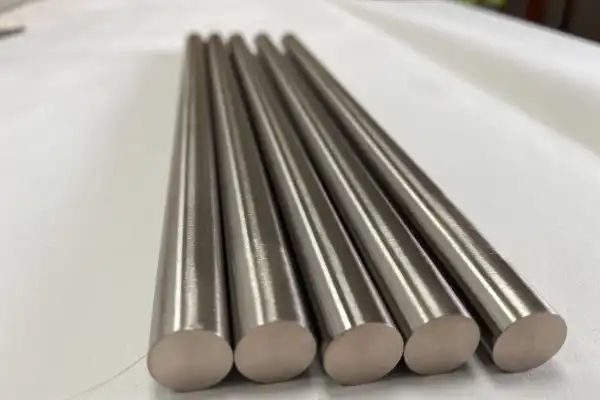
The global demand for high-performance materials continues to grow, placing titanium wire, rod, and welding wire at the forefront for numerous critical applications. Industries from aerospace to medical devices rely on titanium’s unique combination of strength, light weight, and corrosion resistance. For B2B decision-makers and sourcing managers, identifying reliable OEM and wholesale partners is paramount to securing consistent quality and managing complex supply chains effectively. This article explores key considerations for sourcing these vital titanium products. What Grades of Titanium Wire and Rod Actually Matter for Industrial Sourcing Titanium is a reactive metal known for its exceptional strength-to-weight ratio and outstanding corrosion resistance, particularly in oxidizing environments and chloride solutions. These properties make it indispensable across diverse industrial applications. Understanding the various grades is crucial for proper material selection. Commercial Pure titanium offers excellent formability and corrosion resistance, suitable for chemical processing equipment and medical implants. Titanium alloys, such as Grade 5 titanium (Ti-6Al-4V), significantly enhance strength and maintain good corrosion resistance, making them ideal for aerospace components and high-stress parts. When selecting titanium wire for industrial applications, the choice of grade directly impacts performance and cost. CP grades like Ti Grade 1, 2, and 4 are often used for general industrial applications requiring good ductility and corrosion resistance, such as in heat exchangers or architectural elements. Grade 2 is a common choice for welding wire due to its balance of strength and weldability. For more demanding structural applications, especially in aerospace or marine environments, titanium alloys like Grade 5 are preferred for their superior strength and fatigue resistance. Matching the exact material specification to the application’s demands prevents premature failure and optimizes project budgets. I have seen projects where specifying Grade 5 for a non-structural component added 40% to material costs without any performance benefit, while other projects failed because Grade 2 was used where Grade 5’s fatigue resistance was actually necessary. Titanium Grade Key Properties Typical Applications Commercial Pure (CP) Excellent corrosion resistance, good ductility Chemical processing, medical implants, marine Grade 5 (Ti-6Al-4V) High strength, good corrosion resistance, heat treatable Aerospace, automotive, biomedical Grade 7 (Ti-0.15Pd) Superior corrosion resistance in reducing acids Chemical processing, highly corrosive environments Grade 9 (Ti-3Al-2.5V) Medium strength, good formability, weldable Bicycle frames, hydraulic tubing How to Verify Titanium Quality Before Committing to a Supplier Maintaining consistent quality and adhering to material specifications are critical challenges when sourcing titanium, especially from international partners. At
Selecting the right titanium tube type determines whether your system performs reliably for decades or fails prematurely under operating stress. Seamless, square, threaded, and heat exchanger configurations each address specific engineering constraints, from pressure containment to thermal cycling to connection integrity. The decision depends on understanding how each tube type behaves under your actual service conditions, not just its catalog specifications. This guide walks through the manufacturing differences, performance characteristics, and selection criteria that matter when specifying titanium tubing for demanding industrial applications. What Makes Titanium Tubing Perform Where Other Metals Fail Titanium earns its place in critical systems through a combination of properties that no single alternative metal matches. The material forms a stable oxide layer within milliseconds of air exposure, creating a self-healing barrier against corrosive attack. This passive film remains intact in chloride environments, oxidizing acids, and seawater that would pit stainless steel or dissolve copper alloys. Chemical processing equipment, offshore platforms, and surgical implants all exploit this characteristic. The strength-to-weight ratio compounds the corrosion advantage. Titanium delivers tensile strength comparable to many steels at roughly 60% of the density. Aerospace hydraulic systems, racing components, and portable medical devices benefit from this weight reduction without sacrificing structural margins. The material also integrates with living tissue without triggering immune responses, which explains its dominance in orthopedic implants and dental fixtures. Alloy selection tailors these baseline properties to specific demands. Grade 2 commercially pure titanium maximizes ductility and corrosion resistance for chemical processing and heat transfer applications. Grade 5 (Ti-6Al-4V) adds aluminum and vanadium to increase yield strength for aerospace structural components and high-load medical implants. Grade 7 incorporates palladium for enhanced resistance to reducing acids in pollution control systems. Grade 9 balances moderate strength with cold formability for hydraulic tubing and sporting goods. All production follows ASTM B338 requirements for condenser and heat exchanger service. Titanium Grade Key Characteristics Typical Applications Grade 2 Excellent corrosion resistance, good ductility Chemical processing, marine, heat exchangers Grade 5 High strength, good fatigue resistance Aerospace, medical implants, automotive Grade 7 Superior corrosion resistance in reducing acids Chemical processing, pollution control Grade 9 Moderate strength, good cold formability Aerospace hydraulic tubing, sports equipment How Seamless Titanium Tubes Achieve Superior Pressure Ratings Seamless titanium tubes start as solid billets that are pierced, elongated, and reduced through multiple passes without introducing any longitudinal joint. The process begins with heating the billet to working temperature, then
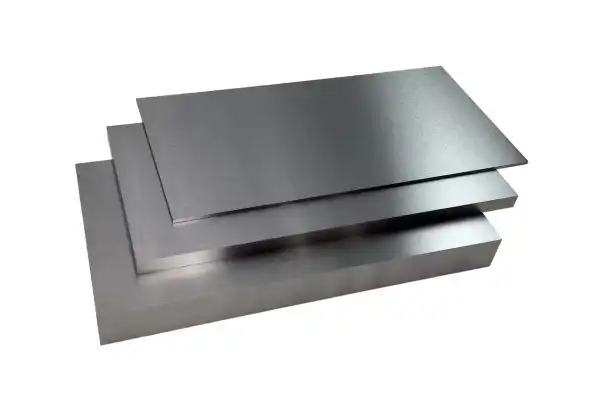
Acquiring high-performance titanium sheet for industrial applications requires a deep understanding of material specifications, market dynamics, and reliable sourcing channels. This guide offers insights into navigating the complexities of titanium procurement, from selecting the correct grade to ensuring quality when sourcing from China. Engineers and procurement managers seeking durable, lightweight, and corrosion-resistant material solutions will find practical guidance for each stage of the buying process. How titanium sheet grades determine application performance Titanium earns its place in demanding environments through an exceptional strength-to-weight ratio, superior corrosion resistance, and biocompatibility. Selecting the appropriate titanium material specifications is paramount for optimal performance and cost-effectiveness. Different grades possess distinct mechanical properties and chemical compositions, influencing their suitability for specific applications. Grade Composition Key Properties Common Applications GR1 Commercially Pure Ti High ductility, excellent corrosion resistance Chemical processing, medical implants, marine GR2 Commercially Pure Ti Good strength, formability, corrosion resistance Heat exchangers, architectural, general industrial GR5 Ti-6Al-4V Very high strength, good fatigue resistance Aerospace, medical implants, automotive GR7 Ti-0.2Pd Excellent corrosion resistance in reducing acids Chemical processing, geothermal wells GR12 Ti-0.3Mo-0.8Ni Enhanced crevice corrosion resistance High-temperature chemical processing Fotma’s expertise in various non-ferrous metals, including titanium, ensures precise grade matching for specific project requirements. We work closely with clients to analyze their operational environments and performance needs, guiding them toward the ideal material solution. Commercially pure titanium, such as GR1 and GR2, offers excellent corrosion resistance and formability, making it ideal for chemical processing equipment, marine components, and certain medical devices. GR5, also known as Ti-6Al-4V, is an alpha-beta alloy renowned for its significantly higher strength and good fatigue resistance. Aerospace structures, medical implants, and high-performance automotive parts rely on this grade. Selecting the correct grade based on the application’s demands for strength, temperature, and corrosive environment prevents premature material failure and optimizes performance. A heat exchanger operating in seawater, for instance, performs well with GR2, while a load-bearing aerospace bracket requires GR5’s mechanical properties. What drives titanium sheet pricing beyond raw material costs The cost of titanium sheet is not static. It fluctuates based on several interconnected factors, and understanding these elements helps procurement managers budget effectively and assess the true value proposition of different suppliers. The titanium plate cost is primarily driven by the raw material price, which can be volatile due to global supply and demand dynamics. Beyond raw material, the specific titanium alloy grade significantly impacts pricing. Higher alloyed grades
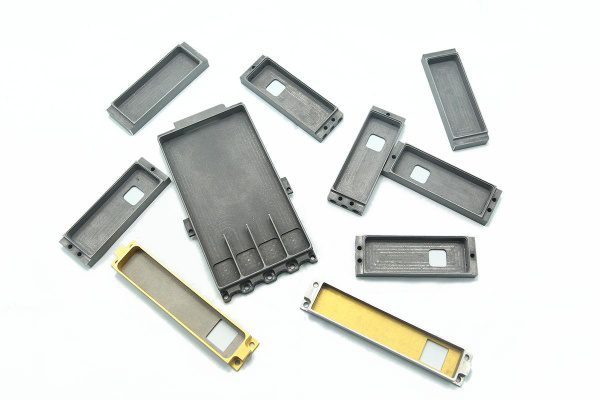
Nickel silver sheet is a copper-nickel-zinc alloy that looks like silver but contains none. The material combines moderate strength with good corrosion resistance and enough ductility to stamp, draw, and form into complex shapes without cracking. For procurement managers evaluating non-ferrous sheet options, nickel silver occupies a specific niche: it costs less than actual silver alloys, machines more predictably than pure copper, and resists tarnishing better than brass in atmospheric exposure. What Nickel Silver Actually Contains The alloy gets its name from appearance, not composition. A typical nickel silver sheet runs 55–65% copper, 10–18% nickel, and 17–27% zinc by weight. Copper provides the base ductility and whatever electrical conductivity the application requires. Nickel shifts the color toward white and improves resistance to atmospheric corrosion. Zinc lowers cost and improves formability during cold working. Some grades include trace additions of lead for machinability or manganese for casting applications, though sheet stock rarely needs these modifications. The table below shows three common grades and their nominal compositions: Grade Copper (%) Nickel (%) Zinc (%) Typical Use Case C75200 65 18 17 Decorative hardware, optical frames C77000 55 18 27 Spring contacts, relay components C79200 65 10 25 Cost-sensitive decorative applications The 18% nickel grades (C75200 and C77000) deliver the brightest white color and best corrosion resistance. The 10% nickel grade (C79200) trades some whiteness and corrosion performance for lower material cost, which matters when appearance requirements are less stringent. Why Nickel Silver Performs Where Brass Falls Short Brass tarnishes. In humid environments or applications involving repeated skin contact, brass develops a dull patina within months. Nickel silver resists this oxidation cycle, maintaining its appearance with minimal maintenance. This difference drives material selection in tableware, musical instrument keys, and architectural trim where visual consistency matters over years of service. The alloy is non-magnetic, which eliminates it as a source of interference in sensitive electrical assemblies. Brass and bronze both exhibit weak magnetic responses under certain conditions; nickel silver does not. For medical device housings or precision instrument components operating near magnetic sensors, this property simplifies design validation. Mechanical properties fall between brass and phosphor bronze. Nickel silver in spring temper holds its shape under repeated flexing better than cartridge brass but does not match the fatigue resistance of beryllium copper. The cost difference often makes nickel silver the practical choice when spring performance requirements are moderate rather than extreme. Where Nickel Silver Sheet
Selecting the right material for demanding industrial applications often hinges on understanding specialized alloys. Nickel alloy grades, including Inconel, Hastelloy, Monel, and Ni200, stand out for their exceptional performance in extreme conditions. These materials are engineered to withstand challenges that conventional metals cannot, from highly corrosive chemical environments to intensely high temperatures. This article clarifies the distinctions among these critical alloys, guiding engineers and procurement managers toward optimal material choices. What Makes Nickel Alloys Different from Standard Metals Nickel alloys are a class of superalloys where nickel forms the primary element, typically comprising at least 30% of the composition. These materials exhibit superior mechanical strength, corrosion resistance, and high-temperature stability that standard metals simply cannot match. Their unique properties stem from precise alloy composition, where elements like chromium, molybdenum, copper, iron, and others are added in specific proportions. Each addition refines the material properties, tailoring the alloy for particular industrial uses. Understanding their UNS designations and ASTM standards is critical for specifying the correct material. Some nickel alloy grades are designed for chemical processing, others for aerospace applications, and still others for marine environments or oil and gas industry infrastructure. The selection process requires matching the alloy’s engineered characteristics to the specific environmental stresses it will face in service. How Nickel Alloys Perform Under Extreme Conditions The performance of nickel alloy grades is fundamentally defined by their ability to maintain integrity under duress. Corrosion resistance is paramount in environments containing aggressive acids, alkalis, or saltwater, preventing material degradation and ensuring longevity. High-temperature strength allows these alloys to operate reliably in elevated thermal conditions, resisting creep and maintaining structural stability even when temperatures exceed what would cause conventional steels to fail. Mechanical strength, encompassing tensile strength and yield strength, ensures the material can withstand significant loads without deformation or fracture. Oxidation resistance is another vital property, particularly at high temperatures, where alloys must resist reaction with oxygen that would otherwise degrade surface integrity. Some alloys also demonstrate excellent resistance to stress corrosion cracking and maintain ductility at cryogenic temperatures, making them versatile across temperature extremes. Selecting materials with precise properties is critical for reliability in demanding applications. At FOTMA, our expertise in non-ferrous metals ensures we supply high-grade nickel alloys that meet stringent performance requirements. When a client needed a material for a heat exchanger operating in a highly acidic environment, we recommended a specific nickel-molybdenum alloy. The material demonstrated excellent
What Makes Nickel Alloys Worth the Premium in Demanding Environments Nickel alloys combine nickel as the primary element with chromium, iron, molybdenum, copper, and other metals to achieve performance characteristics that standard steels and stainless grades cannot match. The resulting materials resist corrosion in aggressive chemical media, maintain mechanical strength at temperatures where carbon steels soften, and withstand creep deformation under sustained thermal cycling. Aerospace turbine components, chemical reactor vessels, and offshore oil extraction equipment all depend on these properties. Sourcing nickel alloy wire, rod, and tube from China requires understanding both the metallurgy and the supplier landscape to avoid specification mismatches and delivery delays. How Each Alloy Family Performs Under Specific Conditions Selecting the right nickel alloy starts with matching the alloy family to the operating environment. The table below summarizes the primary options and their typical deployment scenarios. Alloy Type Key Characteristics Common Applications Inconel High strength, excellent oxidation and corrosion resistance at elevated temperatures. Jet engines, gas turbines, chemical processing equipment. Monel High strength, excellent corrosion resistance in marine and chemical environments. Marine engineering, chemical processing, heat exchangers. Hastelloy Superior corrosion resistance to strong acids and reducing agents. Chemical reactors, pollution control systems. Nichrome High electrical resistivity, excellent oxidation resistance at high temperatures. Heating elements, resistors. Kovar Controlled thermal expansion matching glass and ceramic. Glass-to-metal seals, electronic components. Inconel grades like 625 and 718 retain tensile strength above 650°C, making them standard choices for gas turbine hot sections. Monel 400 handles seawater and brackish environments without pitting, which explains its prevalence in marine heat exchangers. Hastelloy C-276 resists both oxidizing and reducing acids, so chemical plants processing mixed acid streams specify it for reactor linings and piping. Nichrome’s stable resistivity makes it the default for industrial heating elements. Kovar’s controlled expansion coefficient matches borosilicate glass, enabling hermetic seals in electronic packages. The metallurgical structure of these alloys also resists stress-corrosion cracking, crevice corrosion, and intergranular attack under conditions that would compromise austenitic stainless steels. This resistance comes from the nickel matrix’s electrochemical stability and the protective oxide layers formed by chromium and molybdenum additions. Why Specification Accuracy Determines Project Outcomes Nickel alloy procurement fails most often at the specification stage, not at the factory. Buyers who provide incomplete or ambiguous requirements receive material that technically meets the purchase order but underperforms in service. ASTM standards define chemical composition ranges, mechanical property minimums, and testing protocols for each
Engineers and procurement specialists often seek materials that can withstand extreme conditions, offering superior performance where standard metals fail. Nickel alloy sheet and plate represent a critical category of such high-performance materials, engineered to provide exceptional corrosion resistance, high-temperature strength, and durability. Their unique metallurgical properties make them indispensable across a spectrum of demanding industrial applications, from aerospace to chemical processing. Understanding the nuances of these alloys is key to successful project execution. What Makes Nickel Alloy Sheet & Plate Different from Standard Metals Nickel alloys are metal combinations where nickel is the primary element, blended with other metals like chromium, molybdenum, iron, and copper to enhance specific properties. These alloys are renowned for their ability to resist corrosion in aggressive chemical environments, maintain strength at elevated temperatures, and exhibit excellent mechanical properties. This makes them suitable for critical components in industries such as oil and gas, marine engineering, and power generation. The distinction between nickel alloy sheet and plate primarily lies in their thickness. Nickel alloy sheet typically refers to material with a thickness ranging from 0.1875 inches (4.76 mm) down to foil gauges. It is generally produced through rolling processes that result in a flat, thin form. Nickel alloy plate, conversely, is thicker, usually exceeding 0.1875 inches (4.76 mm). Plates are often used for structural applications or components requiring significant strength and rigidity. Both forms offer the same inherent material properties, but their dimensions dictate their primary applications and manufacturing methods. A thin sheet might be formed into intricate chemical reactor linings, while a thick plate could serve as a pressure vessel wall. Which Nickel Alloy Grade Fits Your Operating Environment The selection of a specific nickel alloy grade depends entirely on the operational environment and required performance characteristics. Each alloy is meticulously engineered to offer a distinct balance of properties. Some excel in highly corrosive acids, while others are designed for extreme heat or cryogenic temperatures. Common nickel alloy grades include: Nickel 200/201: These are commercially pure nickel grades known for excellent corrosion resistance in reducing environments and good electrical conductivity. Nickel 200 is suitable for temperatures up to 600°F (315°C), while Nickel 201, with its lower carbon content, is preferred for higher temperatures to prevent graphitization. Monel (e.g., Alloy 400): A nickel-copper alloy offering high strength and excellent corrosion resistance in a wide range of marine and chemical environments, including seawater and sulfuric acid. Inconel (e.g.,