
Nickel alloy sputtering targets make possible the kind of thin film coatings that modern manufacturing increasingly depends on. The physics is straightforward enough: atoms get knocked off a solid target in a vacuum chamber and land on whatever substrate you’re trying to coat. What makes nickel alloys particularly useful is the range of properties you can dial in through composition changes. Add chromium and you get better corrosion resistance. Include vanadium and hardness improves. The coatings that result show up in applications where failure isn’t an option, from turbine blades running at extreme temperatures to medical implants that need to last decades inside the human body.
PVD sputtering works by bombarding a target with energetic particles, typically ionized argon, that knock atoms loose from the surface. Those atoms travel through the vacuum and deposit onto the substrate, building up a thin film one atomic layer at a time. The quality of that film depends heavily on what’s in the target material.
Nickel alloy compositions get engineered for specific outcomes. Chromium additions create films with enhanced oxidation resistance because chromium forms a protective oxide layer at the surface. Vanadium contributes to hardness through solid solution strengthening. The exact ratios matter considerably, and small variations in composition can produce measurably different coating properties.
Target purity plays a role that’s easy to underestimate. Impurities in the target end up in the coating, where they can create defects, weaken adhesion, or compromise corrosion resistance. Even trace amounts of oxygen or carbon can form oxide or carbide inclusions that degrade performance. High purity targets, typically 99.95% or better, minimize these problems.
Material characterization becomes essential for quality control. X-ray diffraction reveals crystal structure and phase composition. Scanning electron microscopy shows grain size and distribution. These techniques verify that the target microstructure and chemical homogeneity meet specifications before the material ever sees a sputtering chamber.
Process parameters interact with target properties in ways that require careful optimization. Power density affects deposition rate and film stress. Gas pressure influences mean free path and film density. Substrate temperature controls adatom mobility and crystallinity. Getting these parameters right for a specific target composition takes systematic experimentation and accumulated experience.
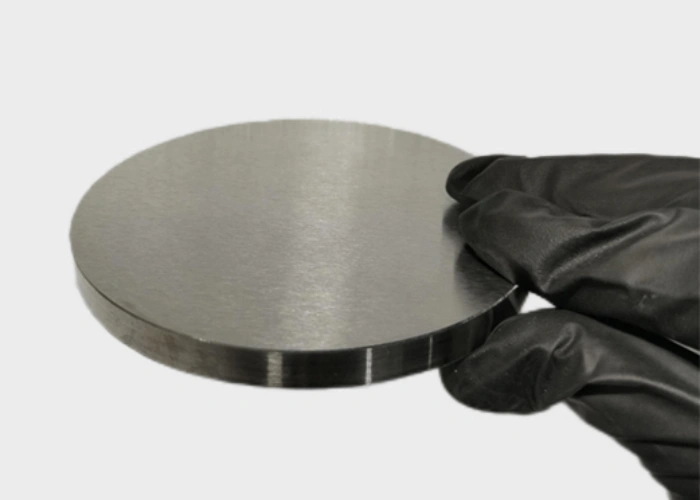
The practical value of nickel alloy sputtering targets shows up in what the coatings actually do in service. Corrosion resistance matters in chemical processing equipment, marine environments, and anywhere aggressive fluids contact metal surfaces. Nickel-chromium coatings handle oxidizing conditions particularly well because the chromium-rich oxide layer that forms is dense and adherent.
Wear resistance extends component life in applications involving sliding contact, abrasion, or erosion. The hardness improvements from certain alloying additions translate directly into reduced material loss during service. Components that previously needed replacement every few months can run for years with the right coating.
High-temperature stability becomes critical in aerospace and power generation. Turbine components operate at temperatures where most materials soften or oxidize rapidly. Nickel alloy coatings maintain their protective function at temperatures that would destroy uncoated parts.
Custom alloy development addresses situations where standard compositions fall short. Specific combinations of properties, perhaps high hardness with good ductility, or corrosion resistance with particular electrical characteristics, may require compositions that aren’t commercially available. The ability to produce targets with tailored compositions opens possibilities that off-the-shelf materials can’t match.
Coating uniformity and adhesion strength determine whether these property improvements actually deliver value in practice. A coating that delaminates or varies significantly in thickness across a part provides inconsistent protection. Consistent target quality contributes directly to consistent coating quality.
Nickel alloys occupy a useful middle ground between pure metals and more exotic alloy systems. Pure nickel provides good corrosion resistance but lacks the hardness and high-temperature capability that alloying additions provide. More complex alloys may offer superior properties in specific areas but at higher cost and with greater manufacturing difficulty.
The versatility of nickel alloys comes from the range of elements that can be incorporated while maintaining good processability. Chromium, vanadium, molybdenum, tungsten, and other additions each contribute specific property enhancements. This flexibility allows optimization for particular applications rather than accepting compromises inherent in general-purpose materials.
Chemical inertness and mechanical stability make nickel alloys reliable choices where coating failure would be costly or dangerous. The track record of these materials in demanding applications provides confidence that the coatings will perform as expected.
Aerospace applications push nickel alloy coatings to their limits. Turbine blades in jet engines experience temperatures exceeding 1000°C while spinning at thousands of RPM in corrosive combustion gases. The coatings protect the underlying superalloy from oxidation and hot corrosion, extending component life and maintaining engine efficiency.
Medical devices require biocompatibility alongside mechanical performance. Implants must resist corrosion from body fluids while avoiding adverse tissue reactions. Surgical instruments need wear-resistant surfaces that can withstand repeated sterilization cycles. Nickel alloy coatings address both requirements when properly formulated.
Semiconductor manufacturing demands extreme precision and cleanliness. Interconnects and barrier layers in integrated circuits must be deposited with atomic-level control. Target purity becomes especially critical because even parts-per-million impurity levels can affect device performance.
Optical coatings benefit from the controlled refractive index that nickel alloys can provide. Mirrors, lenses, and filters require coatings with specific optical properties and excellent durability. The ability to tune composition allows optimization for particular wavelength ranges and environmental conditions.
Automotive applications include engine valves, exhaust components, and fuel system parts. These components face combinations of high temperature, corrosive exhaust gases, and mechanical wear. Nickel alloy coatings extend service life and reduce maintenance requirements.
For those interested in how similar materials perform in other demanding applications, we invite you to explore our article on 《Comprehensive Applications Of Tungsten Copper Alloy In Aerospace And New Energy Vehicles》.
Target purity deserves particular attention because its effects compound through the coating process. Impurities in the target become impurities in the film, but their concentration in the film may differ from their concentration in the target depending on sputtering conditions and the relative sputter yields of different elements.
Oxygen contamination creates oxide inclusions that can serve as crack initiation sites or pathways for corrosive attack. Carbon contamination may form carbides that affect hardness and ductility in unpredictable ways. Metallic impurities can alter electrical properties or create galvanic couples that accelerate corrosion.
High purity targets, 99.95% or 99.99%, minimize these problems but require more sophisticated manufacturing processes and quality control. The additional cost typically pays for itself in improved coating performance and reduced rejection rates.
Quality verification requires analytical techniques capable of detecting impurities at low concentrations. Glow discharge mass spectrometry, inductively coupled plasma analysis, and other methods provide the sensitivity needed to confirm that purity specifications are actually met.

Hubei Fotma Machinery Co., Ltd. brings over 30 years of experience in non-ferrous metal materials to nickel alloy sputtering target production. This accumulated knowledge shows up in the details of alloy formulation, melting practice, and thermomechanical processing that determine target quality.
ISO-9000-1:2008 certification provides external verification that quality management systems meet international standards. The certification process requires documented procedures, regular audits, and continuous improvement efforts. These systems help ensure that quality remains consistent across production batches and over time.
Modern production equipment enables precise control over composition and microstructure. Vacuum melting minimizes contamination from atmospheric gases. Controlled cooling rates and heat treatments optimize grain structure. Machining and finishing operations produce the dimensional accuracy and surface quality that sputtering processes require.
Advanced testing methods verify that targets meet specifications before shipment. Chemical analysis confirms composition. Metallographic examination reveals microstructure. Density measurements detect porosity. Dimensional inspection ensures fit in customer equipment.
Custom manufacturing capability addresses applications where standard products fall short. Unusual compositions, non-standard sizes, or special processing requirements can all be accommodated. The technical team works with customers to define specifications and develop manufacturing approaches for challenging requirements.
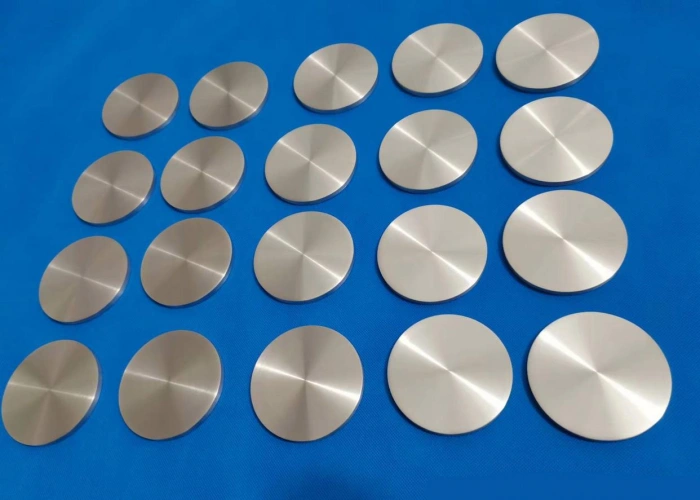
Working with a knowledgeable target supplier adds value beyond simply purchasing material. Technical consultation helps identify the best target composition for specific coating requirements. Process optimization support can improve coating quality and reduce development time. Ongoing collaboration enables continuous improvement as applications evolve.
The combination of material expertise, manufacturing capability, and customer focus that Hubei Fotma Machinery Co., Ltd. provides makes the company a strategic partner for organizations pursuing advanced coating solutions. Contact technical specialists at +86 13995656368 or [email protected] to discuss specific requirements and explore how this partnership can support your coating development efforts.
Standard offerings include nickel-chromium and nickel-vanadium compositions, with chromium contents typically ranging from 10% to 30% depending on the corrosion resistance requirements. Custom compositions can be developed for applications where standard alloys don’t provide the needed property combinations. The development process involves defining target properties, selecting appropriate alloying additions, and optimizing processing to achieve the desired microstructure.
The selection process starts with understanding what the coating needs to accomplish. Corrosion resistance, wear resistance, electrical properties, and operating temperature all influence composition choice. A technical consultation with target specialists can help translate application requirements into material specifications. Providing information about the substrate material, coating thickness targets, and service environment enables more specific recommendations.
Targets ship with certificates of analysis showing chemical composition, purity level, and key physical properties. Additional documentation may include grain size measurements, density values, and dimensional inspection results depending on customer requirements. Traceability systems link each target to specific production batches and raw material lots, supporting quality investigations if questions arise during coating operations.