
Procuring copper-nickel alloys from international markets requires attention to both material specifications and supplier reliability. These alloys deliver properties that matter in demanding applications, so quality cannot be an afterthought. Understanding the available forms and the quality control processes behind them is fundamental for successful global sourcing. A strategic approach to selecting Chinese suppliers can yield real advantages in cost and material availability.
Copper-nickel alloys, commonly abbreviated as CuNi, are copper-based materials with nickel as the primary alloying element. They earn their reputation through exceptional corrosion resistance, particularly in marine and industrial environments where other materials fail within years. Nickel additions strengthen copper and reduce biofouling, the accumulation of microorganisms, plants, and algae that degrades performance over time. Different grades serve different conditions: CuNi 90/10 (90% copper, 10% nickel) handles moderate seawater exposure, while CuNi 70/30 (70% copper, 30% nickel) performs in more aggressive environments where chloride concentrations run higher.
Beyond corrosion resistance, CuNi alloys offer good thermal conductivity, moderate electrical conductivity, and excellent ductility for fabrication. These combined properties make them difficult to replace in industries from shipbuilding to power generation. Desalination plants specify CuNi alloys for heat exchanger tubes because the material withstands aggressive seawater conditions that would pit stainless steel within months. Offshore oil and gas platforms rely on them for piping systems and risers where both corrosion and erosion act simultaneously. FOTMA’s expertise in non-ferrous metals supports custom alloy solutions, helping clients select the optimal CuNi grade for their specific operating conditions.
The form of copper-nickel alloy, whether sheet, tube, pipe, or wire, follows from the intended application, and each form carries its own specification requirements and fabrication considerations. Copper-nickel sheets serve cladding, heat exchanger plates, and structural components in marine vessels where surface protection matters. Tubes and pipes handle heat exchangers, condensers, and fluid transport systems, especially where corrosive fluids like seawater flow continuously. Wire forms appear in electrical components, fasteners, and welding electrodes.
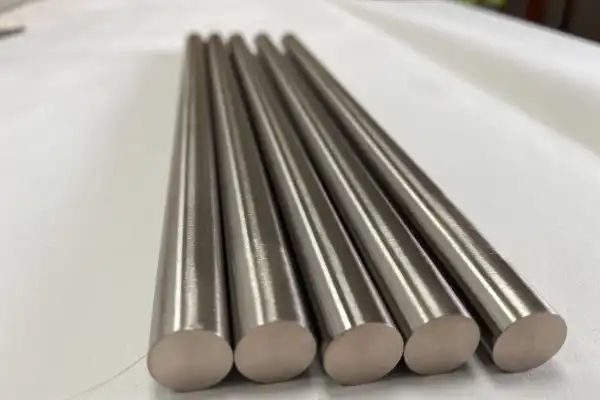
Each form must meet specific industry standards. ASTM B111 governs seamless CuNi condenser tubes, while ASTM B151 covers CuNi rods, bars, and shapes. These standards define chemical composition, mechanical properties, dimensions, and testing requirements. When sourcing, specifying these standards clearly prevents material compatibility problems downstream. Working with clients to refine specifications ensures that the chosen form and grade align with project demands before production begins.
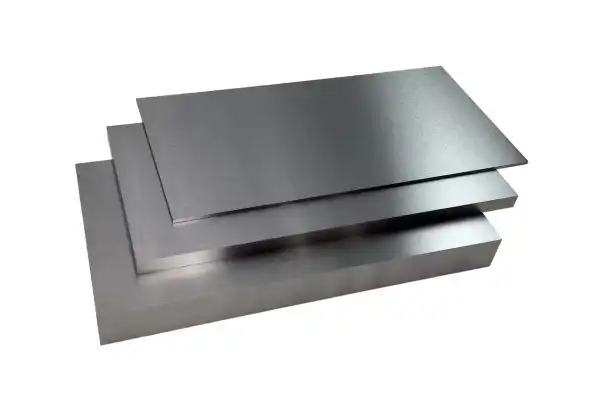
| Alloy Form | Typical Applications | Key Advantages |
|---|---|---|
| Sheet | Hull cladding, heat exchanger plates | Surface protection, structural integrity |
| Tube | Condensers, heat exchangers | Efficient heat transfer, fluid transport |
| Pipe | Seawater piping, offshore risers | High flow capacity, structural support |
| Wire | Fasteners, welding electrodes | Joining, electrical conductivity |
Sourcing copper-nickel alloys from China demands a systematic approach to supplier selection, an understanding of local manufacturing capabilities, and verification of adherence to international quality standards. The Chinese market includes large state-owned enterprises and specialized private firms, each with different strengths. Vetting potential suppliers means assessing production capacity, quality control systems, and actual experience with CuNi alloys. An initial audit of a supplier’s facilities reveals whether their equipment, processes, and certifications match their claims.
A client needed CuNi 70/30 seamless tubes for a critical offshore application. The initial supplier proposed a competitive price but could not provide comprehensive traceability documentation. An on-site audit revealed inconsistencies in their material testing logs, gaps that would have created liability problems if the tubes failed in service. An alternative, ISO-certified supplier with a proven track record delivered tubes meeting stringent ASTM B111 specifications. That switch prevented potential material failure and project delays. If your application involves offshore or marine systems, it is worth discussing traceability requirements before committing to a supplier. FOTMA’s ISO certification and advanced testing methods provide confidence in material quality and reliability.
for Spraying)
Verifying copper-nickel alloy quality through rigorous certification and advanced testing methods protects against material failures in critical applications. Reputable Chinese suppliers provide comprehensive material certifications, often called Mill Test Certificates (MTCs), detailing chemical composition, mechanical properties, and compliance with international standards like ASTM, EN, or JIS. These certificates should trace back to the specific batch of material, not generic production data.
Independent third-party inspection agencies can perform additional testing to confirm material integrity. Non-destructive testing methods include ultrasonic testing for internal flaws, eddy current testing for surface defects, and hydrostatic testing for leak integrity in tubes and pipes. Destructive tests like tensile strength and impact tests verify that the material meets required mechanical properties. When supplying high-density tungsten alloys, each batch undergoes density, hardness, and chemical composition analysis, giving clients full confidence in performance before installation.
| Test Type | Purpose | Standard |
|---|---|---|
| Chemical Analysis | Verify alloy composition | ASTM E1019, ASTM E1086 |
| Tensile Testing | Measure strength and ductility | ASTM E8/E8M |
| Hardness Testing | Assess material resistance to indentation | ASTM E18 (Rockwell), ASTM E92 (Vickers) |
| Ultrasonic Testing | Detect internal flaws | ASTM E213, ASTM E114 |
| Eddy Current Testing | Identify surface and near-surface defects | ASTM E309, ASTM E426 |
Managing cost, lead times, and logistics determines whether a copper-nickel alloy supply chain from China remains competitive over multiple orders. Chinese suppliers often offer competitive pricing through economies of scale and efficient production, but total landed costs include shipping, import duties, and customs clearance. Lead times vary based on material form, quantity, and specific alloy grade, so clear communication and realistic scheduling prevent surprises.
Logistics decisions involve selecting appropriate shipping methods: sea freight for bulk orders, air freight for urgent smaller consignments. Understanding export regulations in China and import regulations in the destination country avoids delays that compound costs. Establishing clear communication channels and long-term relationships with trusted suppliers streamlines these processes over time. Transparent cost breakdowns and efficient logistics management help clients achieve predictable delivery schedules and cost-effective material procurement.
MOQs vary significantly by supplier and product form. Wire or sheet orders often start at hundreds of kilograms, while pipe orders may require several tons. Clarifying minimum order requirements early in the supplier vetting process aligns expectations with your project scale before pricing discussions advance.
Raw material price volatility for copper and nickel directly influences final alloy costs. Many Chinese suppliers price based on market rates at the time of order, which means understanding their pricing models matters. Long-term contracts can provide price stability for projects with extended timelines.
Standard international payment terms often involve an upfront deposit, typically around 30%, with the balance paid upon shipment or receipt of materials. Common methods include T/T (Telegraphic Transfer) or L/C (Letter of Credit), depending on transaction size and established trust. To discuss specific requirements for copper-nickel alloys or other non-ferrous metals, contact us at [email protected] or call +86 13995656368, +86 13907199894.
If you’re interested, check out these related articles:
Titanium Foil Wide Application Of High Performance Metal Materials
Thomas Mitchell S Successful Shopping Experience
Unveiling Porous Titanium Sheets Properties Applications And Supplier Insights
Tips To Prevent Molybdenum Wire From Being Broken