
Acquiring high-performance titanium sheet for industrial applications requires a deep understanding of material specifications, market dynamics, and reliable sourcing channels. This guide offers insights into navigating the complexities of titanium procurement, from selecting the correct grade to ensuring quality when sourcing from China. Engineers and procurement managers seeking durable, lightweight, and corrosion-resistant material solutions will find practical guidance for each stage of the buying process.
Titanium earns its place in demanding environments through an exceptional strength-to-weight ratio, superior corrosion resistance, and biocompatibility. Selecting the appropriate titanium material specifications is paramount for optimal performance and cost-effectiveness. Different grades possess distinct mechanical properties and chemical compositions, influencing their suitability for specific applications.
| Grade | Composition | Key Properties | Common Applications |
|---|---|---|---|
| GR1 | Commercially Pure Ti | High ductility, excellent corrosion resistance | Chemical processing, medical implants, marine |
| GR2 | Commercially Pure Ti | Good strength, formability, corrosion resistance | Heat exchangers, architectural, general industrial |
| GR5 | Ti-6Al-4V | Very high strength, good fatigue resistance | Aerospace, medical implants, automotive |
| GR7 | Ti-0.2Pd | Excellent corrosion resistance in reducing acids | Chemical processing, geothermal wells |
| GR12 | Ti-0.3Mo-0.8Ni | Enhanced crevice corrosion resistance | High-temperature chemical processing |
Fotma’s expertise in various non-ferrous metals, including titanium, ensures precise grade matching for specific project requirements. We work closely with clients to analyze their operational environments and performance needs, guiding them toward the ideal material solution.
Commercially pure titanium, such as GR1 and GR2, offers excellent corrosion resistance and formability, making it ideal for chemical processing equipment, marine components, and certain medical devices. GR5, also known as Ti-6Al-4V, is an alpha-beta alloy renowned for its significantly higher strength and good fatigue resistance. Aerospace structures, medical implants, and high-performance automotive parts rely on this grade. Selecting the correct grade based on the application’s demands for strength, temperature, and corrosive environment prevents premature material failure and optimizes performance. A heat exchanger operating in seawater, for instance, performs well with GR2, while a load-bearing aerospace bracket requires GR5’s mechanical properties.
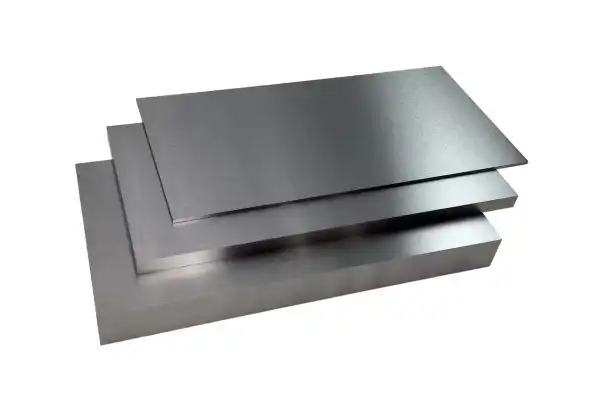
The cost of titanium sheet is not static. It fluctuates based on several interconnected factors, and understanding these elements helps procurement managers budget effectively and assess the true value proposition of different suppliers. The titanium plate cost is primarily driven by the raw material price, which can be volatile due to global supply and demand dynamics.
Beyond raw material, the specific titanium alloy grade significantly impacts pricing. Higher alloyed grades like GR5, containing elements such as aluminum and vanadium, require more complex processing and thus command a higher price than commercially pure grades like GR1 or GR2. The titanium sheet thickness and dimensions also play a role. Very thin gauges or exceptionally wide plates may incur higher manufacturing costs due to specialized rolling processes. Surface finish requirements, such as polished, annealed, or acid-pickled, add further processing steps and affect the final price.
Minimum order quantity (MOQ) is another critical factor. Smaller orders often have a higher per-unit cost because they do not benefit from the economies of scale inherent in large-batch production. Clients who can consolidate annual usage into fewer, larger orders typically negotiate more favorable terms.
Sourcing titanium sheets from China offers competitive advantages, including access to a vast manufacturing base and often more flexible production capabilities for custom titanium fabrication. Successfully importing titanium from China requires a structured approach to supplier selection and relationship management. Identifying reputable China titanium producers is the first step, and this involves thorough due diligence, including checking business licenses, production capacities, and quality certifications.
A robust supplier vetting process should include factory audits and reference checks. Our team once conducted an audit of a potential new supplier in Baoji, known as “Titanium Valley,” to assess their capabilities for a large order of GR2 sheets. We verified their adherence to ASTM B265 standards and confirmed their in-house testing facilities. This proactive approach helped us establish a reliable partnership that consistently delivered high-quality materials. Fotma’s ISO-9000-1:2008 certification and 30+ years of material research demonstrate our commitment to quality and reliable OEM supply.
If your project involves custom dimensions or tight tolerances, it is worth discussing production capabilities and testing protocols with potential suppliers before committing to a trial order.
for Spraying)
Maintaining high quality control for titanium sheets, especially when sourcing internationally, is non-negotiable for critical applications. Certifications for titanium suppliers are a primary indicator of their commitment to quality. ISO 9001 certification confirms a robust quality management system. Material-specific standards, such as ASTM B265 for titanium and titanium alloy plate, sheet, and strip, are equally important. These standards define chemical composition, mechanical properties, and testing requirements.
One project illustrated the cost of skipping quality verification. A client initially opted for a lower-cost supplier without stringent quality checks. The titanium sheets arrived with inconsistent thickness and surface imperfections, leading to significant rework and delays. We stepped in to provide sheets that met the precise ASTM B265 specifications, ensuring the project could proceed on schedule. This experience reinforced the importance of verifying every aspect of material quality.
Fotma’s advanced testing methods and robust quality control processes provide assurance for high-performance titanium products. We employ techniques such as ultrasonic testing, eddy current testing, and spectrographic analysis to verify material integrity and composition.
To ensure the quality of titanium sheets from a Chinese OEM, implement a multi-layered verification strategy. Begin by requesting comprehensive material test reports (MTRs) for each batch, which should include chemical analysis, mechanical properties, and dimensional checks. Conduct independent third-party inspections at the factory before shipment. This step allows for visual checks, random sampling for laboratory testing, and verification of packaging. Upon receipt, perform incoming material inspection, including hardness tests and re-verification of dimensions, to confirm compliance with your specifications.
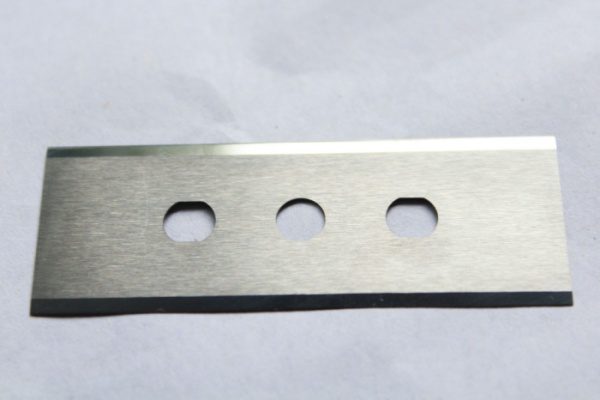
Efficient logistics and secure payment terms are vital for the smooth acquisition of international titanium orders. Shipping titanium overseas requires careful planning to minimize transit times and ensure material integrity. Work with experienced freight forwarders who understand metal transport, including proper packaging to prevent damage during shipment.
Consider Incoterms (International Commercial Terms) carefully, as they define responsibilities and costs between buyer and seller. FOB (Free On Board) designates the seller is responsible until the goods are loaded onto the vessel, while CIF (Cost, Insurance, and Freight) extends the seller’s responsibility to the port of destination.
Payment terms for China suppliers typically involve a deposit (e.g., 30%) upfront, with the balance paid upon completion of production or against shipping documents. Using secure payment methods like Letters of Credit (LC) can mitigate risks for both parties.
Understanding lead time is also crucial for project planning. This period encompasses production, quality control, packaging, and transit. A typical lead time for custom titanium sheets from China might range from 4 to 8 weeks, depending on complexity and order volume. Clear communication and a well-defined contract are essential to manage expectations and ensure timely delivery.
What are the primary advantages of sourcing titanium sheets from a Chinese OEM?
Sourcing from Chinese OEMs often provides a cost-effective solution for high-volume orders, leveraging efficient production capabilities. It also offers access to a wide range of titanium material specifications and custom fabrication options, which can be beneficial for specialized projects requiring non-standard dimensions or surface treatments.
How do I select the right titanium grade for my application?
Selecting the right grade depends on the specific application’s requirements for strength, corrosion resistance, and formability. Commercial pure grades like GR1 and GR2 are excellent for corrosion resistance in chemical and marine environments, while GR5 (Ti-6Al-4V) offers superior strength for aerospace and medical uses. Consult titanium alloy properties data sheets and consider the operating temperature and chemical exposure your application will face.
What certifications should I look for in a titanium sheet supplier?
Reputable titanium sheet suppliers should possess international quality management certifications like ISO 9001. Additionally, look for material-specific certifications such as ASTM B265, which guarantees adherence to industry standards for titanium plate quality. Suppliers serving aerospace or medical markets may also hold AS9100 or ISO 13485 certifications.
Can I get custom dimensions or finishes for titanium sheets from China?
Yes, most established Chinese OEMs offer extensive customization for titanium sheet thickness, width, length, and surface finishes. Clearly communicate all specifications and quality requirements upfront to ensure the final product meets your exact needs. If you have specific tolerances or finish requirements, discuss them with Fotma’s technical team to confirm production feasibility.
Sourcing high-quality titanium sheets from overseas can be complex and risky. Hubei Fotma Machinery Co., Ltd. provides ISO-certified, high-performance titanium materials backed by 30 years of material research. To discuss your specific titanium sheet requirements and ensure reliable supply, contact Fotma today.
Email: [email protected]
Phone: +86 13995656368, +86 13907199894
If you’re interested, check out these related articles:
All You Need To Know About Copper Nickel Alloy Suppliers
What Material Is Cuni44 Copper Nickel Alloy Plate