
Engineers frequently evaluate materials based on their physical properties, with density being a primary consideration for many applications. Understanding the significant density differences between tungsten and lead is crucial for informed material selection, particularly when designing components that require maximum mass in a minimal volume. This comparison extends beyond simple numerical values, influencing performance, safety, and environmental impact across various industrial sectors. My experience in non-ferrous metal materials research has shown me how critical these distinctions are for achieving optimal engineering solutions.
Material density represents the mass of a substance per unit volume, typically expressed in grams per cubic centimeter (g/cm³) or pounds per cubic inch (lb/in³). This intrinsic property is determined by an element’s atomic weight and the arrangement of its atoms within its crystal structure.
For engineers, density is a foundational metric that directly impacts a component’s weight, inertia, and ability to absorb radiation. These factors influence design choices for everything from aerospace counterweights to medical shielding. A higher density means more mass can be packed into a given space, which is often a desirable characteristic in specialized applications where volume constraints are tight but mass requirements are fixed.
When comparing pure tungsten (W) and pure lead (Pb), the density difference is striking and forms the basis for their distinct engineering applications. Tungsten, with an atomic number of 74, possesses a significantly higher atomic weight and a more compact crystalline structure than lead, which has an atomic number of 82. This structural difference accounts for tungsten’s superior density.
| Material | Density (g/cm³) | Density (lb/in³) |
|---|---|---|
| Tungsten | 19.3 | 0.697 |
| Lead | 11.34 | 0.410 |
Tungsten is approximately 70% denser than lead. Pure tungsten measures about 19.3 g/cm³, while pure lead comes in around 11.34 g/cm³. This substantial difference means that a tungsten component will weigh nearly twice as much as a lead component of the exact same volume. When space is at a premium but high mass is required, this characteristic becomes particularly valuable.
While density is a critical factor, a comprehensive material evaluation requires considering other properties that influence overall performance. Tungsten and lead diverge significantly across several key metrics that affect real-world applications.
Tungsten boasts an exceptionally high melting point of 3422°C, the highest of all metals, making it suitable for extreme temperature environments. Lead, by contrast, melts at a comparatively low 327.5°C. This difference alone disqualifies lead from many high-temperature applications where thermal stability is non-negotiable.
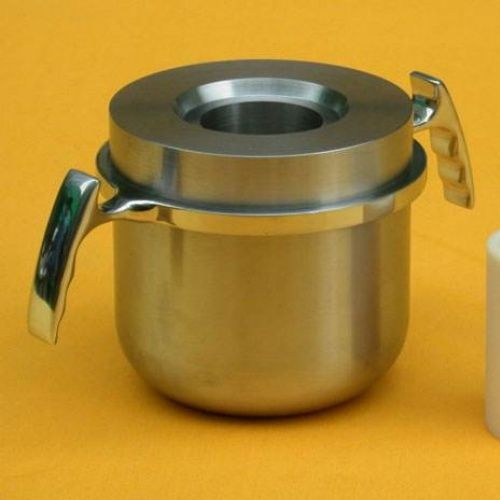
Tungsten is also known for its remarkable hardness and tensile strength, offering superior wear resistance and structural integrity under load. Lead is a soft, malleable metal with low strength that deforms easily under stress. In applications requiring dimensional stability over time or resistance to mechanical wear, tungsten outperforms lead by a wide margin.
For specialized material requirements, Hubei Fotma Machinery Co., Ltd. provides advanced high-density alloys and non-ferrous metal materials. Our High-Density Tungsten Alloy combines tungsten’s inherent density with improved machinability and strength, making it adaptable for various demanding applications. This alloy maintains a density ranging from 17.0 to 18.8 g/cm³ depending on the specific composition, providing engineers with a robust alternative to pure tungsten where enhanced mechanical properties are needed.
The distinct properties of tungsten and lead dictate their practical applications across industries. Lead has historically been favored for radiation shielding due to its high atomic number and relatively low cost. It is also used in ballasts, batteries, and certain types of ammunition. However, its low melting point and softness limit its use in high-stress or high-temperature environments where dimensional stability matters.
Tungsten, owing to its extreme density, high melting point, and excellent mechanical strength, excels in more demanding applications. It is widely used for counterweights in aerospace and automotive industries, where precise weight distribution in confined spaces is non-negotiable. Its superior radiation shielding capabilities, particularly against gamma rays and X-rays, make it a preferred material for medical equipment like collimators and in nuclear energy applications where lead’s softness would cause problems over time.
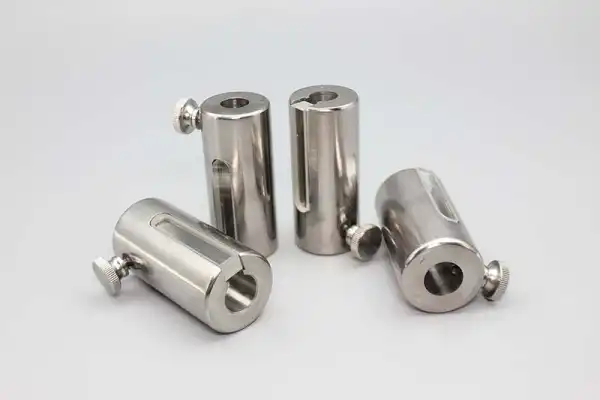
Tungsten offers significant advantages over lead in fields requiring high-density combined with high-temperature resistance and superior mechanical properties. These include aerospace for balance weights, medical imaging for radiation shielding components, and defense for kinetic energy penetrators. In one project involving medical imaging equipment, I observed a client struggling with lead’s weight and toxicity for a collimator design. We recommended a high-density tungsten alloy, which allowed for a 30% reduction in component volume while maintaining equivalent shielding effectiveness. The change streamlined the device’s footprint and improved patient safety by eliminating lead exposure concerns.
If your application involves aerospace counterweights or medical radiation shielding where lead’s properties are insufficient or undesirable, it is worth discussing specific alloy compositions and density targets before committing to a material specification.
Beyond performance, safety and environmental considerations are increasingly important in material selection decisions. Lead is a known toxic heavy metal, and its use is heavily regulated due to health risks associated with exposure, including neurological damage and developmental issues. Environmental concerns also arise from lead mining, processing, and disposal, necessitating stringent controls and often driving the search for alternatives in industries that previously relied on lead without question.
Tungsten, in its metallic form and common alloys, is generally considered non-toxic and environmentally benign. While tungsten dust can be an irritant during machining operations, it does not pose the same severe health risks as lead. This non-toxic profile makes tungsten an attractive choice for applications in medical devices, food processing equipment, and consumer products where lead is prohibited by regulation or customer specification.
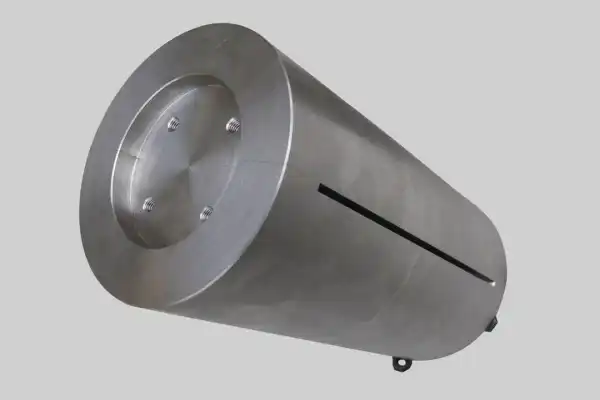
Using lead carries significant environmental and health implications due to its toxicity, requiring strict handling, recycling, and disposal protocols. Exposure can cause severe health problems that create liability concerns for manufacturers. Tungsten, conversely, is largely non-toxic and environmentally friendly in its solid form, making it a safer alternative for many applications and reducing environmental contamination risks throughout its lifecycle.
As industries increasingly seek safer and more environmentally responsible materials, the shift away from lead continues to accelerate. Hubei Fotma Machinery Co., Ltd.’s expertise in non-ferrous metal materials, including tungsten and its alloys, offers competitive solutions for designs that need to meet both current and anticipated regulatory requirements.
Is tungsten significantly more expensive than lead for high-density applications?
Yes, tungsten is generally more expensive than lead due to its complex extraction and manufacturing processes. The raw material cost difference is substantial, and fabrication costs add to the gap because tungsten requires specialized tooling. However, its superior performance in areas like strength, melting point, and non-toxicity often justifies the higher initial cost for critical engineering applications where lead’s limitations or hazards are unacceptable. In many cases, the total cost of ownership favors tungsten when you factor in regulatory compliance costs, disposal requirements, and component longevity.
How does the machinability of tungsten compare to lead, given their density differences?
Lead is much softer and more malleable, making it significantly easier to machine than tungsten. Standard tooling works fine with lead, and cycle times are short. Tungsten, being extremely hard and brittle, requires specialized carbide or diamond tools and careful feed rate control to prevent cracking. These machining requirements add to fabrication costs for complex parts and extend lead times. This difference is a key consideration in manufacturing planning and should be discussed early in the design process.
Are there any specific safety precautions required when handling tungsten?
While tungsten is not considered toxic like lead, handling tungsten in powder form or during machining can generate fine dust. Appropriate ventilation and personal protective equipment are recommended to prevent inhalation and ensure workplace safety, especially in industrial settings and during processing operations. Standard machine shop dust collection systems are usually adequate, but the specific requirements depend on the volume of material being processed and the machining methods used.
Can tungsten be alloyed to further increase its density for specialized uses?
Pure tungsten already boasts one of the highest densities of any element. While alloying can modify other tungsten properties like ductility or strength, it typically does not significantly increase its inherent density because most alloying elements are less dense than tungsten itself. High-density alloys often refer to tungsten-based composites or heavy metal alloys where tungsten is the primary component, offering a balance of properties that pure tungsten cannot achieve on its own. To discuss requirements for your specific application, contact our team at +86 13995656368 or +86 13907199894, or email us at [email protected].
If you’re interested, check out these related articles:
Analysis Of The Outstanding Performance Of Molybdenum Copper Alloy And Cmc Three Layer Structure Materials
What Are The Uses Of Molybdenum Rod