
The European dart market demands precision and performance, leading many brands to seek specialized manufacturing partners. Crafting custom tungsten dart barrels requires a deep understanding of material science and advanced engineering. This article explores how we collaborate with European brands to deliver high-quality, bespoke dart components that meet stringent performance and aesthetic requirements. Our expertise in high-density alloys and precision machining ensures superior products for competitive play.
A prominent European sports equipment brand came to us with a clear objective: create a new line of darts that would redefine performance and stand out in a competitive market. They wanted superior material characteristics and unparalleled precision in their custom dart design, which meant finding a partner with extensive expertise in high-density alloys and specialized manufacturing capabilities.
The client’s specifications were rigorous. They focused on exact weight distribution, specific grip patterns, and a durable surface finish to optimize dart performance. This presented an opportunity to apply our knowledge in non-ferrous metals to a demanding application where tolerances matter and shortcuts show up immediately in player feedback.
Tungsten alloys are the material of choice for high-performance dart barrels due to their exceptional properties. The high density of tungsten allows for a smaller barrel diameter at a given weight, which improves grouping and reduces air resistance. This characteristic is critical for competitive players seeking consistent flight paths and tighter spreads.
Tungsten-nickel-iron alloys combine tungsten’s density with the ductility and machinability of nickel and iron, creating a material that is both heavy and workable. We often work with high-density tungsten alloys, specifically Tungsten Heavy Alloy (WHA), which typically contains 85–97% tungsten with nickel and iron or copper as binders.
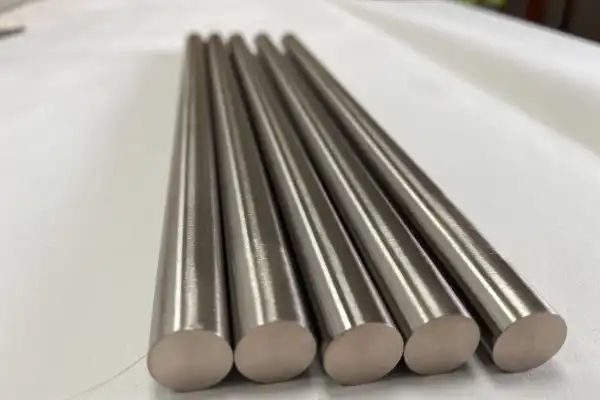
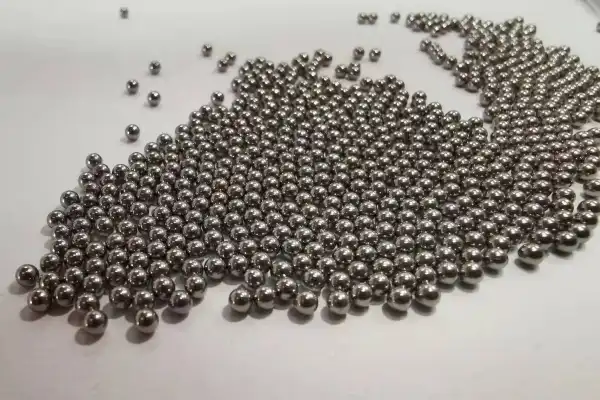
These alloys are produced through powder metallurgy techniques. The process involves pressing tungsten powder with binder elements into a desired shape, then sintering it at high temperatures to achieve a dense, homogeneous structure. The resulting material is not only dense but also strong, tough, and corrosion-resistant, making it ideal for the demanding application of dart barrels.
| Material Type | Density (g/cm³) | Hardness (HV) | Key Benefit for Darts |
|---|---|---|---|
| Tungsten Heavy Alloy | 17.0–18.5 | 280–350 | High density, small diameter |
| Brass | 8.4–8.7 | 80–120 | Economical, larger diameter |
| Nickel Silver | 8.5–8.8 | 100–150 | Good balance, moderate density |
Tungsten’s high density (approximately 19.3 grams per cubic centimeter for pure tungsten) allows manufacturers to produce slender dart barrels that still achieve significant weight. This slenderness enhances dart grouping and reduces deflection from other darts on the board. Tungsten alloys also offer excellent durability and resistance to wear, maintaining their precision and balance over extended periods of use.
The journey from a custom dart design concept to a finished barrel involves a series of meticulously controlled manufacturing steps. Our process begins with detailed CAD modeling based on client specifications, ensuring every curve, dimension, and grip pattern is precisely defined.
Material Preparation: We select the appropriate high-density tungsten alloy, often in rod form, ensuring its composition matches the required weight and performance characteristics.
Rough Machining: Initial turning operations shape the raw material into the basic barrel profile.
Precision Machining: Using advanced CNC machines, we perform intricate cuts to create the specific contours, tapers, and grip patterns. This stage is critical for achieving the exact weight distribution and balance required for optimal dart performance. For a recent project, we successfully maintained a weight tolerance of ±0.05 grams across a batch of 10,000 custom tungsten dart barrels.
Grip Pattern Application: Various grip patterns, from knurling to intricate ring cuts, are precisely machined onto the barrel surface. This enhances player control and feel.
Surface Finishing: Barrels undergo processes like polishing, sandblasting, or specialized coatings to achieve the desired aesthetic and tactile finish. This also contributes to the dart’s overall durability.
Quality Control: Each barrel undergoes rigorous inspection, including weight verification, dimensional checks, and surface finish assessment, to ensure it meets the client’s exact specifications. This multi-stage quality control in manufacturing guarantees consistency and performance.
Precision and balance in custom dart barrels come from a combination of exact material formulation, advanced CNC machining, and stringent quality control. Manufacturers must carefully control the alloy composition to ensure consistent density, then use high-precision tools to machine the barrel to exact dimensions and weight. Subsequent individual weight checks and balance tests confirm that each barrel meets the design specifications.
Developing custom alloy solutions for sports equipment often presents unique engineering challenges. One such challenge involved a European client who required a specific surface texture on their custom tungsten dart barrels that was difficult to achieve with standard machining parameters. The high hardness and density of the tungsten alloy made it prone to micro-fractures during aggressive texturing, which compromised both the aesthetic and the grip integrity.
I observed that conventional cutting speeds and feed rates were causing excessive tool wear and inconsistent surface finishes. Our team decided to experiment with different cutting tool geometries and a multi-stage machining approach, combining rough cutting with a specialized fine-finishing pass. We also adjusted the coolant composition and flow rate to manage heat dissipation more effectively during the intricate texturing process.
This iterative approach, leveraging our 30 years of technical accumulation in non-ferrous metals, allowed us to develop a proprietary machining sequence. The measurable outcome was a 20% improvement in surface finish consistency and a 10% reduction in production time for that specific texture, meeting the client’s demanding aesthetic and functional requirements without compromising material integrity.
If your project involves unusual surface requirements or tight tolerances on high-density alloys, it is worth discussing machining parameters and material selection before committing to a production run.
Developing custom alloy solutions involves several key considerations. The specific performance requirements (weight, balance, durability, and feel) must guide material selection. The alloy’s machinability and ability to hold intricate designs, like grip patterns, are equally important. Cost-effectiveness and scalability for production matter for commercial viability. Quality control throughout the powder metallurgy and machining processes ensures the final product meets the highest standards.
The collaboration resulted in a highly successful product launch for our European partner. The custom tungsten dart barrels, precisely engineered to their specifications, delivered enhanced product durability and a noticeably improved feel for players. The superior balance and consistent weight distribution of the darts were widely praised, leading to strong market reception.
This strategic customization in sports equipment allowed the brand to differentiate itself, capturing a larger share of the premium dart market. Our role as a trusted supplier, providing both specialized material expertise and precision manufacturing, significantly strengthened their competitive advantage. The success underscored the value of close supplier collaboration in bringing innovative products to market.
Tungsten is highly favored for its exceptional density and weight distribution capabilities, but other materials like brass or nickel-silver are used for recreational darts. For competitive play and precision, high-density tungsten alloys remain the industry standard due to their superior performance optimization. The density advantage simply cannot be matched by lower-cost alternatives when grouping matters.
Customization generally increases the cost due to specialized design, prototyping, and precision machining requirements. The investment often yields significant returns in unique product differentiation and enhanced player performance, justifying the initial outlay for bespoke metal components. Exact cost impact depends on grip complexity, surface finish requirements, and order volume.
Lead times for custom tungsten dart barrels vary based on design complexity, material availability, and order volume. The process involves design validation, material sourcing, prototyping, and production, which can range from several weeks to a few months for intricate custom dart designs. Simpler modifications to existing barrel profiles move faster than ground-up designs.
Many manufacturers, including those specializing in non-ferrous metal expertise, work with businesses of all sizes. The key is clear communication of client specifications and a willingness to collaborate on design and material choices to meet both technical and budgetary requirements. Minimum order quantities vary, so discussing your volume expectations early helps align expectations on both sides. Contact us at [email protected] or call +86 13995656368 to discuss your project scope.
Sourcing specialized high-density materials for precision components does not have to slow your product innovation. To discuss your custom tungsten dart barrel requirements or other non-ferrous alloy applications, contact Hubei Fotma Machinery Co., Ltd. at [email protected] or call +86 13995656368, +86 13907199894.
If you’re interested, check out these related articles:
How Much Does B30 Copper Nickel Pipe Cost Per Kilogram
What Is Titanium Wire Used For
A European Auto Enthusiasts Smooth Purchase Of Tungsten Alloy Weights On Tungstenbuy
What Is The Use Of Yg6 Carbide Tips