
Working with metals that refuse to quit at extreme temperatures changes how you think about material limits. Tungsten, molybdenum, and tantalum each bring something different to the table when conventional alloys have already given up. After years of handling these materials across aerospace, medical, and electronics projects, the distinctions between them become less about numbers on a spec sheet and more about knowing which one actually performs when conditions turn hostile.
High melting point metals earn their place in modern industrial design because nothing else survives where they operate. These refractory metals handle thermal loads, mechanical stress, and corrosive environments that would destroy standard engineering alloys within hours. Their value shows up in applications where failure carries serious consequences—rocket nozzles, medical implants, semiconductor manufacturing equipment, and radiation shielding systems.
The three metals covered here each solve different problems. Tungsten dominates when absolute thermal stability matters most. Molybdenum offers a practical balance between high-temperature performance and workability. Tantalum stands apart for chemical inertness and biocompatibility. Understanding these distinctions helps engineers match the right high melting point metal to specific operating conditions rather than defaulting to whatever worked on the last project.
Tungsten holds the highest melting point of any metal at 3422°C. This number alone explains why it appears in applications where thermal survival is non-negotiable. Combined with exceptional strength retention at elevated temperatures and a density of 19.3 g/cm³, tungsten maintains structural integrity in environments that would turn other metals into puddles.
The material comes in several forms depending on application requirements. Pure tungsten works for lighting filaments and X-ray tube targets where thermal stability is the primary concern. High-Density Tungsten Alloy (WHA), containing 85–97% tungsten with nickel-iron or nickel-copper binders, provides better machinability while maintaining the density needed for radiation shielding and kinetic energy penetrators. Tungsten Copper (W-Cu) Alloy pairs tungsten’s thermal properties with copper’s electrical and thermal conductivity, making it suitable for high-power heat sinks and electrical contacts.
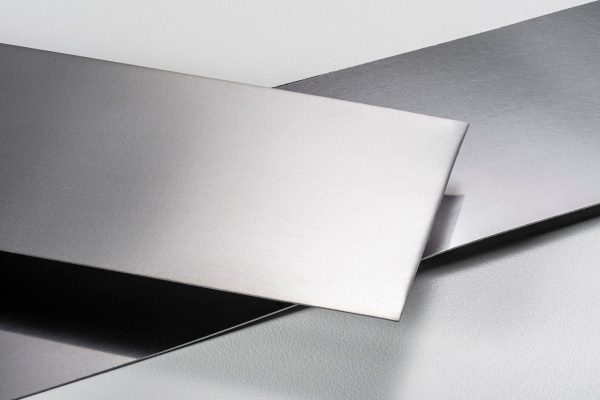
Aerospace engineers rely on tungsten for rocket nozzles and components exposed to combustion gases. Medical imaging equipment uses tungsten targets in X-ray tubes because the material handles repeated thermal cycling without degradation. The high density also makes tungsten effective for counterweights and radiation shielding where mass concentration matters. FOTMA supplies pure tungsten rod and tungsten plate for these critical applications.
Molybdenum melts at 2623°C and offers something tungsten cannot—reasonable ductility combined with excellent corrosion resistance and thermal conductivity. At 10.2 g/cm³, it weighs roughly half what tungsten does, making it a lighter option for structural components that still need high-temperature capability. The metal maintains strength and stiffness at elevated temperatures while being easier to form and machine than tungsten.
Furnace components and high-vacuum systems frequently use molybdenum because of its low vapor pressure and resistance to thermal shock. Semiconductor manufacturing depends on molybdenum for heat sinks and sputtering targets where thermal conductivity directly affects process control. Chemical processing equipment benefits from molybdenum’s corrosion resistance against many aggressive compounds.
FOTMA produces Pure Molybdenum Plate and Molybdenum Thermal Spray Wire for these demanding applications. The Molybdenum-Copper (MoCu) Alloy combines molybdenum’s stability with copper’s conductivity, allowing engineers to tailor coefficient of thermal expansion (CTE) and heat dissipation characteristics for electronic packaging applications.
The tradeoff with molybdenum involves oxidation. At high temperatures in air, molybdenum forms volatile oxides that can degrade the material. This limits its use to vacuum or protective atmosphere environments when operating above certain temperature thresholds.
Tantalum brings exceptional chemical inertness and biocompatibility to applications where contamination or biological rejection would cause problems. Its melting point of 3017°C sits below tungsten but still qualifies as extremely high. The defining characteristic is corrosion resistance—tantalum withstands most acids, including aqua regia, at temperatures below 150°C. This inertness prevents contamination in sensitive processes and makes the metal safe for long-term contact with human tissue.
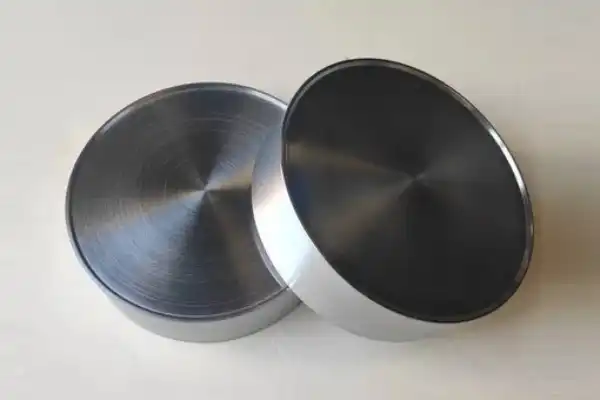
Medical implants and surgical instruments use tantalum because it does not react with bodily fluids or trigger immune responses. The electronics industry values tantalum for capacitors, where its dielectric properties enable compact, high-performance components. Chemical processing equipment handling strong acids relies on tantalum’s resistance to attack.
Tantalum also offers better ductility than tungsten or molybdenum, making fabrication more straightforward. FOTMA supplies tantalum sheet and tantalum wire for medical, electronic, and chemical applications where these properties matter.
Processing high melting point metals demands equipment and techniques that differ substantially from conventional metalworking. The temperatures required for melting exceed what standard furnaces can achieve, pushing manufacturers toward powder metallurgy, electron beam melting, and specialized sintering processes.
Tungsten and molybdenum present particular difficulties because of room-temperature brittleness. Forming operations must account for this characteristic to avoid cracking. Material purity requirements add another layer of complexity—trace impurities can significantly degrade mechanical and thermal performance in ways that only become apparent under operating conditions.
FOTMA addresses these challenges through powder metallurgy expertise developed over more than 30 years. The process allows production of complex shapes and alloys with precise control over microstructure. Sintering consolidates metal powders into dense components that meet performance specifications. Modern production equipment and advanced testing methods support ISO-9000-1:2008 certified processes that maintain consistent quality across production runs.
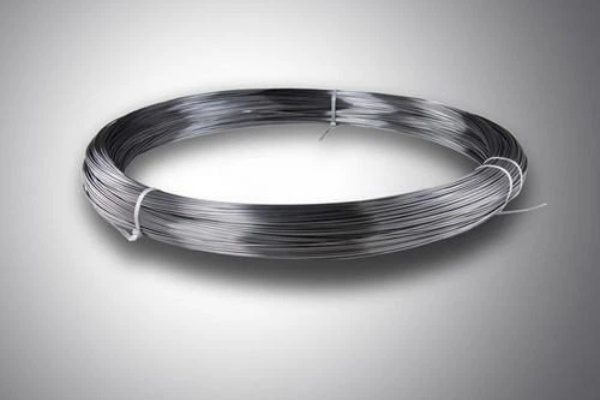
Selecting among tungsten, molybdenum, and tantalum requires matching specific properties to application requirements. Tungsten wins when absolute thermal stability and strength at the highest temperatures take priority, though its room-temperature brittleness limits fabrication options. Molybdenum provides good high-temperature strength with better ductility and thermal conductivity, but oxidation concerns restrict its use in air at elevated temperatures.
Tantalum occupies a different space entirely. While its melting point is lower than the other two, its corrosion resistance and biocompatibility address requirements that tungsten and molybdenum cannot meet. The superior ductility simplifies manufacturing and allows more complex geometries.
Cost considerations also factor into material selection. Tungsten and tantalum both carry premium prices compared to molybdenum, which can influence decisions when multiple materials would technically work.
Additive manufacturing is changing what engineers can accomplish with refractory metals. Traditional fabrication methods limit geometry options, but 3D printing enables complex structures that would be impossible or prohibitively expensive to produce through conventional machining. Aerospace applications benefit from this capability, allowing optimized designs that reduce weight while maintaining thermal performance.
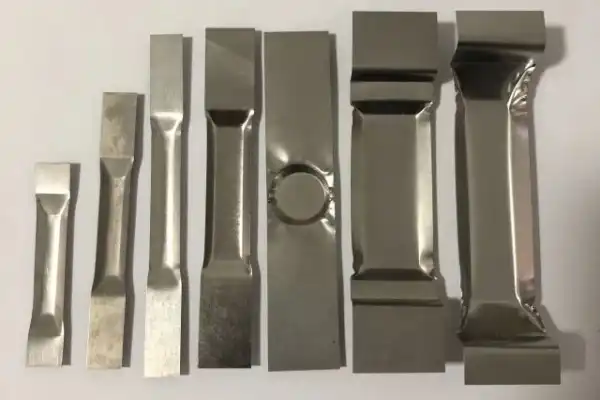
Composite development continues advancing thermal management solutions. MoCu Molybdenum Copper Alloy heat sinks and CMC Copper-Molybdenum-Copper composites push the boundaries of what electronic packaging can achieve. These materials offer enhanced thermal conductivity with CTE matching that prevents thermal stress failures in semiconductor assemblies.
Research into sustainable production methods addresses environmental concerns associated with refractory metal processing. Energy consumption during manufacturing remains high due to the temperatures involved, creating incentives for process improvements that reduce environmental impact while maintaining material quality.
Hubei Fotma Machinery Co., Ltd. brings more than 30 years of technical experience to tungsten, molybdenum, and tantalum applications. ISO-certified production processes ensure consistent quality for non-ferrous metal materials and precision components. The company offers complete solutions covering mechanical processing and instrument accessories, with specialists available to discuss project requirements. Contact the team at +86 13995656368, +86 13907199894, or email [email protected], [email protected].
Each of these high melting point metals brings specific properties that standard alloys lack. Tungsten’s 3422°C melting point and strength retention at extreme temperatures make it irreplaceable for thermal applications. Molybdenum combines high-temperature capability with thermal conductivity and corrosion resistance. Tantalum resists chemical attack from acids that would destroy other metals. These refractory metal properties enable applications in aerospace, medical, chemical processing, and electronics where operating conditions exceed normal material limits.
FOTMA operates under ISO-9000-1:2008 certification with advanced testing methods integrated throughout production. Modern equipment supports powder metallurgy processes that control microstructure and material properties. Quality control procedures verify that each batch meets specifications before shipment. The company’s 30-year technical foundation provides the expertise needed to consistently produce high melting point metals that perform reliably in demanding applications.
FOTMA provides customization across material forms, compositions, and processing to match specific performance requirements. Mechanical processing capabilities support complex geometries and tight tolerances. Custom refractory alloys can be developed when standard compositions do not meet application needs. The company works with customers to identify optimal material solutions for their particular operating conditions and performance targets.