
Laser bar performance hinges on electrodes that handle heat and conduct electricity without flinching. Tungsten Copper electrodes have become the go-to choice for high-power laser applications because they manage both jobs exceptionally well. What makes them work, and what separates a reliable electrode from one that fails prematurely? This piece breaks down the material science, the reliability factors that matter most, and what to look for when selecting and maintaining these components.
Tungsten Copper electrodes are composite materials built for thermal management in high-power laser systems. They function as laser diode heat sinks, pulling heat away from the active region during operation. The material combines tungsten’s low thermal expansion with copper’s high thermal conductivity, creating a balance that pure metals cannot achieve alone.
Tungsten brings a high melting point, density, strength, and arc resistance to the composite. Copper contributes superior thermal and electrical conductivity. The powder-metallurgy process fuses these properties into a single material with excellent heat dissipation, strong electrical performance, and solid arc-erosion resistance. The adjustable coefficient of thermal expansion and good machinability make tungsten copper electrodes adaptable across different laser configurations.
This combination prevents thermal stress at the interface between the electrode and the laser diode. When temperatures swing during operation, materials with mismatched expansion rates create mechanical stress that eventually cracks solder joints or damages the diode itself. Tungsten copper electrodes minimize this risk by matching expansion behavior more closely to semiconductor materials.
Several properties dictate whether a tungsten copper electrode will perform reliably or fail under stress. A low thermal expansion coefficient sits at the top of the list because it reduces mechanical strain on the laser diode during thermal cycling. High electrical conductivity in tungsten copper ensures power reaches the diode efficiently without generating excess resistive heat in the electrode itself.
Thermal shock resistance matters particularly for pulsed laser applications. These systems experience rapid temperature swings that can fracture materials lacking sufficient toughness. Tungsten copper electrodes maintain structural integrity through these cycles when manufactured properly.
| Property | Tungsten Copper (WCu) | Pure Copper (Cu) | Pure Tungsten (W) |
|---|---|---|---|
| Thermal Conductivity (W/mK) | 170-220 | 400 | 170 |
| CTE (10^-6/K) | 6-10 | 17 | 4.5 |
| Electrical Conductivity (%IACS) | 34-60 | 100 | 30 |
| Density (g/cm³) | 13-17 | 8.96 | 19.3 |
The numbers tell the story. Pure copper conducts heat better, but its high expansion coefficient makes it unsuitable for direct contact with laser diodes. Pure tungsten matches expansion behavior well but lacks the thermal conductivity needed for aggressive heat removal. Tungsten copper electrodes occupy the middle ground where both requirements can be met simultaneously.
The plating layer on tungsten copper electrodes often fails before the base material shows any degradation. Plating adhesion issues, uneven thickness, or inadequate corrosion resistance can cut electrode life short even when the underlying tungsten copper performs perfectly.
Testing plating quality requires more than visual inspection. Adhesion testing reveals whether the plating will separate under thermal cycling. Thickness measurements across the entire surface identify thin spots that become failure points. Corrosion resistance testing predicts how the electrode will hold up in real operating environments where humidity and contaminants exist.
Surface finish requirements also affect performance. A plating layer that looks acceptable visually may have microscopic roughness that increases contact resistance or creates localized hot spots. Proper quality measurement catches these issues before electrodes reach the production line.
Plating thickness affects both thermal dissipation and electrical contact resistance in tungsten copper electrodes. The plating layer must be thick enough to provide reliable corrosion protection and consistent electrical contact, but not so thick that it impedes heat transfer.
Insufficient plating creates localized hot spots where the base material contacts the environment or where electrical current concentrates through thin regions. These hot spots accelerate degradation and can cause sudden failures during operation.
Excessive plating presents different problems. Thicker layers add thermal resistance between the laser diode and the tungsten copper heat sink. They can also affect dimensional tolerances, creating fit issues during assembly. The optimal thickness depends on the specific application, operating conditions, and expected service life.
Not all tungsten copper electrode manufacturers produce equivalent products. The differences show up in consistency, technical support, and the ability to solve problems when standard products do not fit the application.
Manufacturing capabilities matter because tungsten copper processing requires specialized equipment and expertise. The powder metallurgy process involves precise control of particle sizes, sintering temperatures, and infiltration parameters. Variations in any of these steps change the final material properties.
Quality certifications provide baseline assurance. ISO 9001 certification indicates that a manufacturer follows documented processes and maintains quality records. However, certification alone does not guarantee performance. The track record of actual products in the field tells a more complete story.
Technical support becomes valuable when applications push beyond standard parameters. A manufacturer with deep material expertise can recommend composition adjustments, surface treatments, or design modifications that improve performance. This support often makes the difference between a successful application and one that struggles with premature failures.
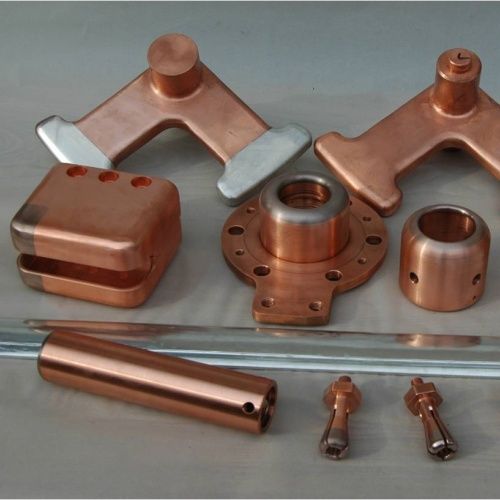
Quality control for tungsten copper electrodes involves multiple testing stages. Material analysis confirms that the tungsten-to-copper ratio matches specifications and that no contaminants entered during processing. Dimensional checks verify that electrodes will fit properly during assembly.
Performance testing under simulated operating conditions reveals issues that static measurements miss. Thermal cycling tests expose adhesion problems and identify materials that will crack under repeated temperature swings. Electrical testing under load confirms that conductivity meets requirements across the entire electrode surface.
Failure analysis of rejected electrodes feeds back into process improvement. Understanding why specific electrodes failed helps manufacturers adjust their processes to prevent similar issues in future batches. This continuous improvement cycle distinguishes manufacturers who consistently produce reliable tungsten copper electrodes from those with variable quality.
When evaluating tungsten copper electrode suppliers, look beyond basic certifications. ISO 9001 certification establishes that quality management systems exist, but the specifics of those systems matter more than the certificate itself.
Ask about incoming material inspection procedures. Tungsten powder quality varies between suppliers, and these variations affect final electrode properties. Manufacturers who test incoming materials catch problems before they propagate through production.
Process control documentation reveals how consistently a manufacturer produces electrodes. Statistical process control data shows whether key parameters stay within acceptable ranges or drift over time. Manufacturers who track this data can demonstrate consistency. Those who cannot provide it may have more variable output.
Installation quality affects electrode lifespan as much as material quality. Secure mechanical connections prevent movement that damages plating or creates intermittent electrical contact. Proper torque on fasteners maintains contact pressure without crushing the electrode or creating stress concentrations.
Cleaning before installation removes contaminants that increase contact resistance or promote corrosion. Even fingerprints contain salts that accelerate degradation at elevated temperatures. Handling electrodes with clean gloves and storing them in protective packaging until installation prevents contamination.
Regular inspection during maintenance intervals catches developing problems before they cause failures. Look for discoloration that indicates overheating, corrosion that suggests environmental exposure, or mechanical damage from handling. Replacing electrodes showing early degradation costs less than dealing with unplanned downtime from sudden failures.
Brazing tungsten copper to other materials requires specific alloys and temperature profiles. The thermal expansion mismatch between tungsten copper and common substrate materials creates stress during cooling from brazing temperatures. Selecting appropriate brazing alloys and using controlled cooling rates minimizes residual stress that could cause joint failures during operation.
Hubei Fotma Machinery Co., Ltd. brings over 30 years of material research expertise to tungsten copper electrode manufacturing. As an ISO-9000-1:2008 certified enterprise, we maintain the quality systems and technical capabilities needed for demanding laser applications. Reach out at [email protected] or [email protected] to discuss custom tungsten copper electrode solutions for your specific requirements.
Pure copper conducts heat better than tungsten copper, but its high thermal expansion coefficient creates problems at the interface with laser diodes. When temperatures change during operation, pure copper expands and contracts more than the semiconductor materials in the diode. This mismatch generates mechanical stress that damages solder joints and eventually causes failures. Tungsten copper electrodes have a thermal expansion coefficient much closer to semiconductor materials, reducing this stress while still providing enough thermal conductivity to remove heat effectively.
Reliable tungsten copper electrodes should pass material composition analysis, dimensional verification, plating adhesion testing, and electrical conductivity measurement at minimum. For demanding applications, thermal cycling tests that simulate actual operating conditions reveal problems that static testing misses. Plating thickness measurement across multiple points on each electrode catches thin spots that become failure points. Manufacturers who perform these tests and provide documentation give buyers confidence in electrode reliability.
Yes, tungsten copper electrodes can be manufactured to specific dimensions, compositions, and surface treatments. The tungsten-to-copper ratio can be adjusted to optimize the balance between thermal conductivity and thermal expansion for particular applications. Plating materials and thicknesses can be specified based on operating environment and performance requirements. Custom machining accommodates non-standard mounting configurations or integration with specific heat sink designs.