
Selecting a tungsten electrode for a high‑precision welding process is one of those decisions that looks straightforward on the surface but quickly divides into two very different technical paths once you account for the arc physics. A TIG torch maintains a stable arc in an inert gas shield, where the electrode tip shape and surface condition directly control arc stability and weld penetration. An electron beam welder runs the electrode as a thermionic cathode in high vacuum, where emission current, work function, and contamination tolerance dominate. Both processes rely on the same family of refractory metal electrodes, but the criteria that make an electrode perform well in one can cause early failure in the other. This article covers tungsten electrode selection, preparation, and common failure pathways for TIG welding and electron beam applications side by side, focusing on what material properties and quality controls matter in practice.
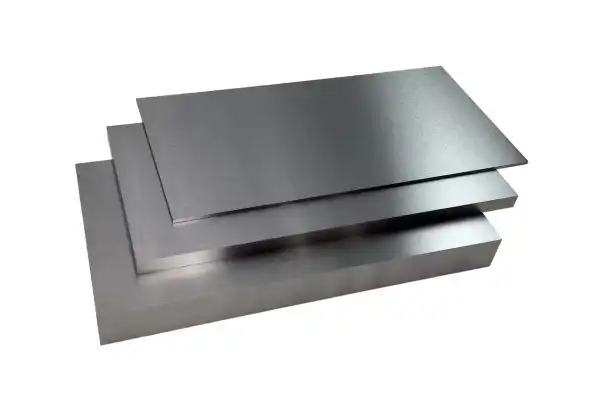
The work a tungsten electrode does in a TIG torch is essentially thermionic emission from a small point under a high‑current arc. That point must reach and hold a temperature high enough to emit electrons freely without melting or eroding–an familiar compromise to anyone who has spent time adjusting amperage and gas flow. Pure tungsten electrodes start at around 3,380 °C melting temperature and carry enough emission capacity for AC welding on aluminum, but if you push them into the 200 A range on DC, the tip rounds quickly and arc wander becomes a problem.
Most shops today standardize on doped tungsten: thoriated (EWTh‑2), lanthanated (EWLa‑1.5/EWLa‑2), ceriated (EWCe‑2), or zirconiated (EWZr‑1). Each oxide addition lowers the electron work function, which lets the electrode start at lower voltage, run cooler at the same current, and hold a sharper tip geometry longer. From the material side, the difference shows up most clearly in how the oxide distributes through the tungsten matrix. A well‑processed electrode from a controlled powder‑metallurgy route keeps the oxide dispersion fine and uniform; you can see the result in a stable, concentrated arc cone that doesn’t drift during a long weld pass. When I’ve cut and etched electrodes from some uncontrolled sources, the oxide segregation was visible under 50× magnification, and that directly translated to erratic arc behavior on a test plate.
Electrode diameter selection for TIG is a current‑density problem. A 2.4 mm electrode carrying 200 A DCEN in argon is operating near its practical limit; push the same electrode to 250 A and the tip temperature climbs into the range where grain growth accelerates and thermionic emission becomes less uniform. The AWS A5.12 specification covers acceptable current ranges for each diameter and composition, but real‑world torch cooling, gas lens design, and duty cycle shift these numbers noticeably.
A tungsten electrode in an electron beam gun works on the same emission physics but in an entirely different environment. The cathode is shaped as a ribbon, disk, or indirectly heated rod and sits in a vacuum chamber typically below 10⁻⁵ mbar. There is no arc plasma to stabilize the emission; the electron beam is extracted and focused by electrostatic fields, and the cathode’s work function becomes the main tuning parameter. Pure tungsten or tungsten‑rhenium alloys are common because they offer long life at the 2,600–2,800 K operating temperature range without introducing reactive oxides that could outgas in vacuum.
What separates a reliable electron beam electrode from a marginal one is often consistency in grain structure and impurity levels. In our own evaluation, cathodes with trace sodium or potassium above 30 ppm showed early emission decay during 60‑hour burn‑in tests, even though the bulk composition was still within nominal spec. These contaminants segregate to grain boundaries at temperature and slowly poison the emitting surface. For applications that demand stable beam current over multi‑shift runs–aerospace component welding, thin‑film evaporation–this kind of degradation can create scrap faster than any upfront savings on electrode cost.
The mechanical configuration matters just as much. TIG electrodes are easy to regrind and reuse; electron beam cathodes, especially complex shapes like Wehnelt apertures or indirectly heated assemblies, are precision‑machined parts with tight geometric tolerances. A cathode that is off‑center by 0.1 mm shifts the beam focal point enough to change weld penetration geometry. That makes the initial machining quality and the stability of the tungsten grade critical variables that you cannot correct on the bench.
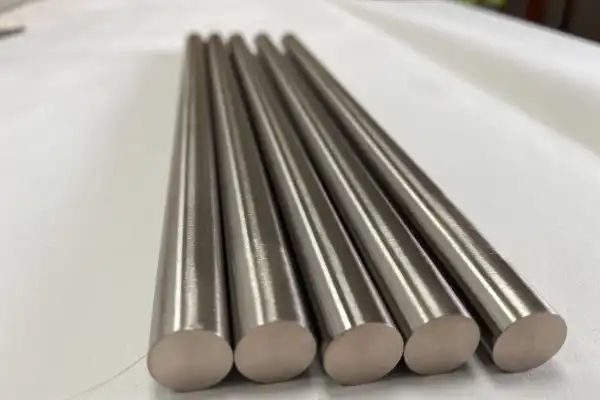
The two processes pull tungsten in opposite directions on several material properties, and ignoring these differences is where a lot of specification mistakes happen.
| Requirement | TIG Welding | Electron Beam |
|---|---|---|
| Emission mechanism | Arc plasma on tip with gas shielding | Thermionic emission in high vacuum |
| Electrode geometry | Sharpened rod, often ground to a point | Cathode disk, ribbon, or shaped assembly |
| Doping tolerance | Oxides (ThO₂, La₂O₃, CeO₂) are beneficial | Oxides must be minimized to avoid outgassing |
| Surface finish | Ground and polished tip; the rest is less critical | Entire emitting surface requires low‑roughness finish and chemical cleanliness |
| Operating atmosphere | Argon, helium, or argon‑hydrogen mixes | ≤10⁻⁵ mbar vacuum or better |
| Life‑limiting mechanism | Tip erosion, contamination from filler metal | Cathode poisoning, thermal fatigue, sputtering |
For the engineer writing a specification, the practical takeaway is that a single electrode grade cannot serve both processes well. A 2% lanthanated TIG electrode will perform beautifully on stainless steel pipe but would be rejected immediately for an electron beam gun because the lanthanum oxide vapor pressure is too high at cathode operating temperature. Conversely, a pure tungsten EB cathode ground to a sharp point would erode within minutes in a TIG torch because there are no oxide additives to stabilize emission at the arc temperature.
Grade selection for TIG follows the well‑known AWS color‑code system, but the decision revolves around three factors: base metal type, current polarity, and how much you value arc starting consistency versus electrode life.
For electron beam applications, the grade selection is less visible to the end user because cathodes are often specified by the equipment OEM. The common materials are pure tungsten (99.95% minimum), tungsten‑3% rhenium for improved ductility and resistance to thermal shock, and occasionally tungsten‑1% lanthanum oxide for dispenser cathodes where lower work function is needed. The critical purchase specification points are not the grade name alone but the impurity limits, grain size distribution, and evidence of vacuum‑arc remelting or equivalent refinement.
Electrode preparation is where shop practice has the biggest impact on performance, and the difference between a meticulously ground electrode and a roughly dressed one shows up in the first few centimeters of weld bead.
For TIG electrodes, the grinding direction must be longitudinal–parallel to the electrode axis. Grinding circumferentially leaves ridges that disrupt the arc root and cause wandering. A dedicated diamond wheel reserved for tungsten only avoids copper contamination from grinding dust. The included angle on the tip typically runs between 15° and 60° depending on application: sharp angles give deeper penetration at low current; blunter angles handle higher current but widen the arc cone. After grinding, a very small flat on the tip point helps stabilize the arc and extends life.
In our shop, we keep separate grinding stations for thoriated, lanthanated, and ceriated electrodes, and we color‑code them to match the electrode tip. That may sound like extra effort, but it eliminates cross‑contamination that can cause confusing arc behavior during a production run. We also inspect every electrode under 10× magnification for cracks or inclusion pits before installing it; catching a damaged electrode at the bench saves a weld rework that costs ten times as much.
Electron beam cathodes require a different maintenance mindset because they are often consumable assemblies replaced as a unit. The preparation steps are handled at the manufacturer level, but what the user should do is store cathodes in vacuum‑sealed packaging until installation, avoid touching emitting surfaces with bare fingers, and follow the conditioning ramp‑up schedule specified by the equipment builder. Skipping the ramp burns contaminants into the grain boundaries and permanently reduces emission current. On a production electron beam welder running 16‑hour days, we have seen cathode life drop from 300 hours to under 80 hours when the conditioning procedure was rushed.
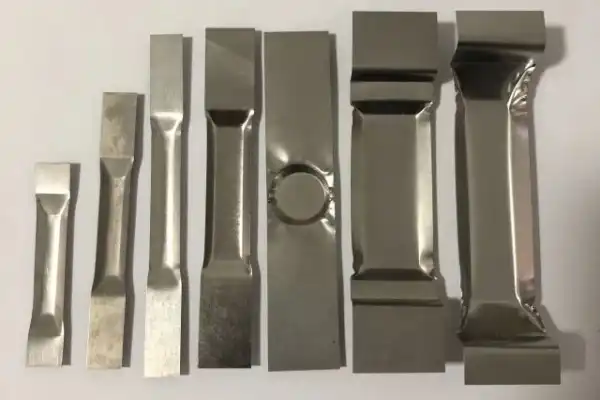
Standard off‑the‑shelf electrodes cover the majority of production needs, but there are applications where a custom tungsten electrode pays for itself quickly. This is particularly common in electron beam evaporation for thin‑film coating, where the cathode geometry–a boat, crucible liner, or shaped filament–must match the vacuum chamber and the material being evaporated. A standard dimension might fit mechanically but deliver poor thermal contact, causing hot spots that shorten life and contaminate the film with tungsten. Our team has worked with optical coating houses running multi‑kilowatt electron beam guns where switching from a generic tungsten boat to a custom‑machined grade with tighter impurity control reduced coating defects by over 40% in a quarter‑long production series.
The same reasoning applies to TIG automation cells. Robotic welding stations running long, uninterrupted weld sequences benefit from electrodes that are pre‑ground to exact geometry and qualified for consistent composition lot‑to‑lot. If you are welding pressure vessels to ASME Section IX, having a certified electrode with traceable chemistry becomes a documentation requirement, not a preference.
A tungsten electrode that underperforms doesn’t just slow down welding–it creates arc instabilities that are hard to diagnose, puts inclusions into the weld, and ultimately drives rework costs that erode margin on the entire project. When the electrode is a functional part of a high‑vacuum electron beam system, the consequences multiply because cathode failure can shut down a whole production line.
FOTMA supplies pure tungsten and doped tungsten electrodes for TIG welding and thermionic electron beam applications, with chemistry and grain structure controlled from powder to finished part. We machine complex cathode geometries on CNC equipment and provide full material certifications when your quality system requires them. Send your part number, dimensions, and quantity to [email protected] or call +86 13995656368 / +86 13907199894 to discuss your requirements directly with our engineering team.
Both are 2% oxide‑doped tungsten electrodes designed for DC welding of steel and stainless, and on a well‑tuned machine the arc appearance is nearly identical. Lanthanated electrodes start slightly easier at low amperage, which is noticeable under 70 A, and they eliminate the radioactive material concern that comes with thoriated grinding dust. In production shops that have switched, the primary change reported is not in weld quality but in safety compliance and dust handling. If your operation does not have a dedicated thoriated grinding dust extraction system, lanthanated is the simpler choice.
You can, but you should adjust your expectations. A 2% lanthanated electrode ground to a point will start an AC arc and produce an acceptable aluminum weld for non‑critical applications, but the arc tends to wander more than a pure or zirconiated electrode that has formed a stable ball tip. The practical answer is to keep two electrode types on the bench: lanthanated for DC steel and stainless work, and either pure or zirconiated for AC aluminum. Swapping electrodes adds thirty seconds to your setup and removes a source of inconsistent arc behavior.
The two reliable signs are a drop in beam current at a given grid voltage and visible surface damage on the emitting face. Emission decay usually appears as a gradual need to increase filament current to hold the same beam power; if you are pushing 10–15% above the original setting, the cathode is nearing end of life. Visual inspection under a stereo microscope will show pitting, grain‑boundary erosion, or discoloration that confirms the surface is no longer emitting uniformly. Track the operating hours and set a pre‑failure replacement threshold–cathode failure during a weld run often scrap the part.
Grinding across the electrode–circumferentially–creates microscopic grooves that run perpendicular to the electron flow path. Those grooves produce local variations in electric field strength at the tip, which translate directly into an arc that wanders or splits. Longitudinal grinding aligns any surface texture with the arc direction, giving a more stable arc root. On automated TIG cells where a vision system tracks the weld pool, we have documented a measurable reduction in arc wander when switching from a randomly ground electrode to one finished with longitudinal diamond grinding.
For most TIG hand‑welding, standard‑grade electrodes from a reputable supplier perform well enough that the welder will not notice the difference. The premium matters when you are welding reactive metals such as titanium or zirconium, where trace contamination from the electrode can cause discoloration or micro‑inclusions that fail radiographic inspection. In electron beam applications, the answer is more clear‑cut because impurity levels directly affect cathode life and emission stability. If your process qualification documents require guaranteed electrode chemistry, the incremental cost of a high‑purity grade with a certificate of analysis is usually small compared to the cost of an unscheduled cathode replacement. Share your operating parameters and we will help you choose the right grade for the duty cycle you need.
If you’re interested, check out these related articles:
What Is A Carbide Blade Good For
A North American Electronics Engineers Successful Purchase Of Molybdenum Copper Alloy Mocu Heat Sinks On Tungstenbuy
Unveiling The Wonders Of Titanium Foil A Comprehensive Guide
What Material Is Cuni44 Copper Nickel Alloy Plate