
The global demand for high-performance materials continues to grow, placing titanium wire, rod, and welding wire at the forefront for numerous critical applications. Industries from aerospace to medical devices rely on titanium’s unique combination of strength, light weight, and corrosion resistance. For B2B decision-makers and sourcing managers, identifying reliable OEM and wholesale partners is paramount to securing consistent quality and managing complex supply chains effectively. This article explores key considerations for sourcing these vital titanium products.
Titanium is a reactive metal known for its exceptional strength-to-weight ratio and outstanding corrosion resistance, particularly in oxidizing environments and chloride solutions. These properties make it indispensable across diverse industrial applications. Understanding the various grades is crucial for proper material selection.
Commercial Pure titanium offers excellent formability and corrosion resistance, suitable for chemical processing equipment and medical implants. Titanium alloys, such as Grade 5 titanium (Ti-6Al-4V), significantly enhance strength and maintain good corrosion resistance, making them ideal for aerospace components and high-stress parts.
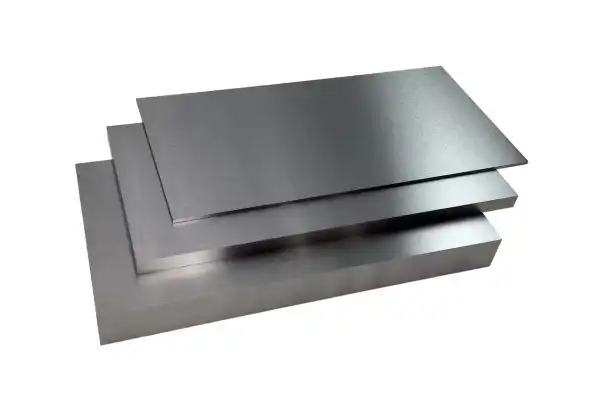
When selecting titanium wire for industrial applications, the choice of grade directly impacts performance and cost. CP grades like Ti Grade 1, 2, and 4 are often used for general industrial applications requiring good ductility and corrosion resistance, such as in heat exchangers or architectural elements. Grade 2 is a common choice for welding wire due to its balance of strength and weldability. For more demanding structural applications, especially in aerospace or marine environments, titanium alloys like Grade 5 are preferred for their superior strength and fatigue resistance.
Matching the exact material specification to the application’s demands prevents premature failure and optimizes project budgets. I have seen projects where specifying Grade 5 for a non-structural component added 40% to material costs without any performance benefit, while other projects failed because Grade 2 was used where Grade 5’s fatigue resistance was actually necessary.
| Titanium Grade | Key Properties | Typical Applications |
|---|---|---|
| Commercial Pure (CP) | Excellent corrosion resistance, good ductility | Chemical processing, medical implants, marine |
| Grade 5 (Ti-6Al-4V) | High strength, good corrosion resistance, heat treatable | Aerospace, automotive, biomedical |
| Grade 7 (Ti-0.15Pd) | Superior corrosion resistance in reducing acids | Chemical processing, highly corrosive environments |
| Grade 9 (Ti-3Al-2.5V) | Medium strength, good formability, weldable | Bicycle frames, hydraulic tubing |
Maintaining consistent quality and adhering to material specifications are critical challenges when sourcing titanium, especially from international partners. At Hubei Fotma Machinery Co., Ltd., we emphasize rigorous quality control from raw material inspection through final product delivery. We operate under ISO-9000-1:2008 certification, which mandates a systematic approach to quality management. This includes comprehensive material testing, such as chemical composition analysis, mechanical property verification (tensile strength, yield strength, elongation), and microstructural examination.
OEM titanium manufacturing ensures quality and consistency through several integrated steps. First, a detailed specification review confirms that all client requirements, including dimensional tolerances and surface finishes, are precisely understood. Second, we implement in-process inspections at various stages of production, from melting and forging to drawing and heat treatment.
In a recent project involving titanium welding wire for a European aerospace client, I personally oversaw the ultrasonic testing of the raw titanium rod to detect any internal defects before it proceeded to drawing. This proactive measure prevented potential material failures downstream and ensured the final welding wire met the stringent AWS A5.16 standards, resulting in zero rejections for that batch. This level of oversight ensures that the final product consistently meets or exceeds industry standards.
If your application involves aerospace or medical specifications, it is worth discussing testing protocols and documentation requirements before committing to any supplier.
Many advanced industrial applications require more than off-the-shelf titanium products. Custom OEM solutions become invaluable for projects demanding specific alloys, unique dimensions, or specialized fabrication processes. Tailoring the material to the exact performance requirements often leads to superior outcomes and cost efficiencies in the long run. This might involve developing custom titanium alloys with enhanced properties, such as improved high-temperature strength or specific fatigue resistance.
Our team possesses over 30 years of technical accumulation in material research and production, allowing us to provide complete solutions for mechanical processing and manufacturing. Beyond titanium, we specialize in a range of non-ferrous metals, including tungsten-molybdenum products, tungsten-copper alloys, and nickel alloys.
We can produce specialized Titanium Alloy components tailored for medical implants, where biocompatibility and precise mechanical properties are paramount. Similarly, for high-power electronic packaging, we offer Molybdenum-Copper (MoCu) Alloy or Tungsten Copper (W-Cu) Alloy, which combine excellent thermal and electrical conductivity with controlled thermal expansion. These custom solutions ensure that the material perfectly integrates with the end-use application, optimizing performance and reliability.
Partnering with a Chinese wholesale supplier for titanium wire, rod, and welding wire offers significant strategic advantages, particularly for bulk orders. The scale of manufacturing capabilities in China often translates to competitive pricing without compromising quality, especially for established manufacturers with modern equipment. This cost-effectiveness is a primary driver for many international businesses seeking to optimize their procurement budgets.
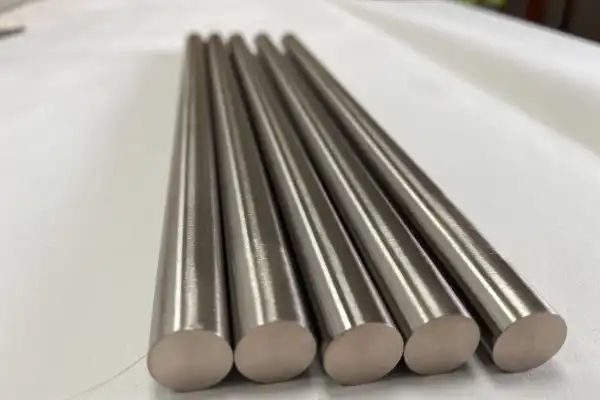
Chinese manufacturers, including Hubei Fotma Machinery Co., Ltd., have extensive experience navigating complex export regulations and global logistics. We maintain a supply chain management system that ensures timely delivery and compliance with international trade standards. Our technical strength and advanced testing methods mean we are absolutely competitive in both domestic and foreign markets. This allows us to offer not only cost-effective titanium but also reliable service and consistent material quality, providing a stable supply for demanding industrial sectors.
The cost advantage is real, but it requires due diligence. Suppliers who cut corners on testing or documentation will cost you more in rejected shipments and production delays than you saved on unit price.
Effective supply chain management is crucial for the successful sourcing of titanium products, especially when dealing with international wholesale orders. The process involves more than just selecting a supplier; it encompasses logistics, customs clearance, and ensuring the reliability of delivery. A dependable titanium rod supplier or titanium wire manufacturer will have established procedures for packaging, shipping, and documentation.
We work closely with clients to plan shipping routes and modes of transport, whether by sea, air, or land, to meet specific delivery timelines. Proper packaging protects the material during transit, preventing damage or contamination. Understanding and managing customs procedures and export regulations from China is essential to avoid delays. Our experience in global logistics allows us to streamline these processes, providing transparency and proactive communication at every stage. This ensures that your bulk titanium orders arrive on schedule and in perfect condition, minimizing disruptions to your production schedule.
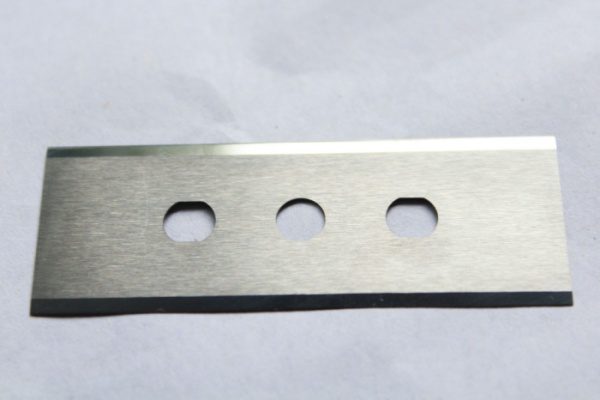
The field of titanium manufacturing is constantly evolving, driven by innovation in materials science and engineering. We anticipate continued advancements in new titanium alloys designed for even more extreme environments, offering enhanced strength, reduced weight, or superior corrosion resistance. Additive manufacturing, or 3D printing, of titanium components is also gaining traction, allowing for complex geometries and reduced material waste, particularly for specialized aerospace and medical applications.
Developments in welding processes for titanium are also significant. New titanium welding consumables are being developed to improve weld integrity and reduce post-weld processing. These innovations will further expand titanium’s utility in critical industries, enabling lighter, stronger, and more durable products. As materials engineers, we continuously monitor these trends, integrating new technologies and processes to ensure we offer the most advanced and effective titanium solutions to our clients.
How can I verify the quality of titanium products from a new supplier?
Request comprehensive material test reports that include chemical composition analysis and mechanical property data. Ask about their ISO certifications and review their quality control processes in detail. Many reputable titanium suppliers provide third-party inspection options to ensure material specifications are met. This due diligence is critical for ensuring material integrity.
What are the typical lead times for wholesale titanium orders from China?
Lead times vary significantly based on order volume, product complexity, and current production schedules. Standard grades in common dimensions might ship in 4 to 6 weeks, while custom alloys or tight tolerances can extend to 10 to 12 weeks. Clarify specific delivery timelines and discuss supply chain management with your chosen titanium wire manufacturer during the quotation phase. Clear communication helps manage expectations.
Are there specific export regulations for titanium materials from China?
Yes, titanium products are subject to specific export regulations and customs procedures in China. A reliable OEM titanium supplier will have expertise in navigating these requirements, ensuring smooth customs clearance and compliance for international shipments. This expertise prevents unforeseen delays.
What are the cost implications of custom titanium fabrication versus standard products?
Custom titanium fabrication typically incurs higher initial costs due to specialized tooling and engineering. However, for unique applications requiring precise dimensions or specific titanium alloys, the long-term performance and fit often justify the investment, offering superior value. To discuss whether custom fabrication makes sense for your application, contact us at +86 13995656368 or [email protected].
Ensuring consistent quality and reliable delivery for your industrial titanium needs can be a complex challenge. Hubei Fotma Machinery Co., Ltd. helps B2B decision-makers achieve superior material performance and supply chain efficiency through our ISO-certified OEM and wholesale titanium solutions. Contact us today to discuss your specific titanium wire, rod, or welding wire requirements. We can be reached at +86 13995656368 or +86 13907199894, or by email at [email protected].
If you’re interested, check out these related articles:
Unveiling The Wonders Of Titanium Foil A Comprehensive Guide
Tzm Alloy Price Analysis Value And Procurement Strategy