
Global buyers sourcing high-performance components frequently work with original equipment manufacturer (OEM) partners for specialized materials like titanium fasteners. These components serve applications that demand exceptional strength-to-weight ratios, corrosion resistance, and biocompatibility. The details matter—material specification, manufacturing capability, and supply chain reliability all determine whether a sourcing decision pays off or creates downstream problems. This article covers the strategic considerations that separate productive OEM partnerships from costly missteps.
Titanium alloys combine properties that few other materials can match in a single package. The strength-to-weight ratio stands out first: titanium delivers structural integrity comparable to steel at roughly half the density. In aerospace and high-performance automotive work, that weight reduction translates directly into fuel savings and performance gains that compound over the life of the equipment.
Corrosion resistance is the second major advantage. A passive oxide layer forms naturally on titanium’s surface, creating a barrier against chlorides, acids, and seawater that holds up for decades rather than years. Marine equipment, chemical processing systems, and medical implants all depend on this durability. Titanium Alloy (Ti-Alloy) products come in multiple grades—alpha, alpha-beta, and beta alloys—with Ti-6Al-4V being the workhorse choice for applications that need balanced mechanical properties and proven performance.
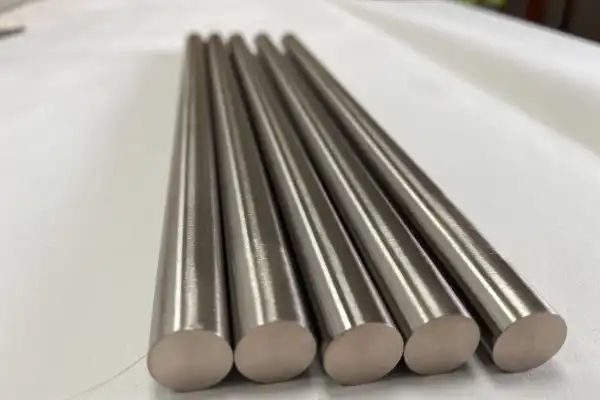
The grade selection depends entirely on what the application demands. Commercially pure titanium (CP Ti) grades 1 through 4 offer excellent corrosion resistance and formability, with strength increasing from Grade 1 to Grade 4. When higher strength is required, Grade 5 (Ti-6Al-4V) becomes the standard option. This alpha-beta alloy provides the combination of strength, toughness, and elevated temperature performance that aerospace and medical applications require. Specialized grades like Grade 7 (Ti-0.2Pd) and Grade 12 (Ti-0.3Mo-0.8Ni) address specific chemical environments where crevice corrosion becomes the limiting factor.
| Titanium Grade | Key Characteristics | Common Applications |
|---|---|---|
| Grade 2 (CP-Ti) | Good strength, high ductility, excellent corrosion resistance | Chemical processing, marine, general industrial |
| Grade 5 (Ti-6Al-4V) | High strength, good fatigue resistance, moderate ductility | Aerospace, medical implants, automotive |
| Grade 7 (Ti-0.2Pd) | Excellent corrosion resistance, especially in reducing acids | Chemical processing, heat exchangers |
| Grade 23 (Ti-6Al-4V ELI) | Biocompatible, enhanced fracture toughness | Medical implants, surgical devices |
China has developed into a significant hub for specialized non-ferrous metal manufacturing, combining cost-effectiveness with advanced production capabilities that were difficult to find outside traditional aerospace supply chains a decade ago. For custom titanium fasteners, this means access to sophisticated CNC machining, forging, and precision finishing processes at price points that make previously cost-prohibitive designs economically viable.
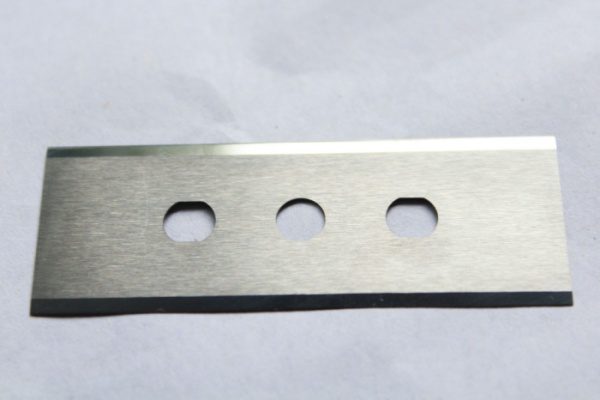
The practical benefits for global buyers break down into three categories. Production scale allows for competitive pricing without sacrificing material quality or manufacturing precision—the economics work differently when a facility runs titanium through its equipment regularly rather than treating it as a specialty material. The diversity of manufacturing techniques available, from cold heading to hot forging and surface treatments like anodizing or passivation, means that a wide range of custom fastener designs can be produced without splitting orders across multiple suppliers. Many Chinese manufacturers have invested in modern production equipment specifically to handle the intricate geometries and tight tolerances that critical applications require.
Our team at Hubei Fotma Machinery Co., Ltd. has accumulated over 30 years of material research experience, and we have consistently found that established OEM partnerships allow for complete solutions covering mechanical processing and precision instrument accessories. This technical depth ensures that demanding specifications for titanium components can be met efficiently rather than becoming extended development projects.
Quality control and specification compliance determine whether OEM titanium fasteners perform as expected or create problems that surface months or years after installation. The reliability of these components directly affects the performance and safety of the end product, which means a robust quality assurance framework is not optional—it is the baseline requirement for any serious sourcing relationship.
This framework typically involves adherence to international quality standards such as ISO 9001 and material-specific standards like ASTM. At Hubei Fotma Machinery Co., Ltd., our ISO-9000-1:2008 certification reflects our commitment to these standards. Our advanced testing methods include chemical composition analysis, mechanical property testing, and non-destructive examination to verify material integrity and dimensional accuracy.
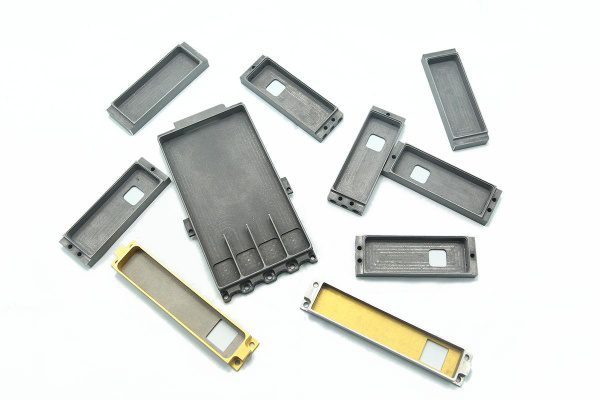
A recent project involving custom titanium bolts for a high-stress aerospace application illustrates how this works in practice. We implemented a multi-stage inspection protocol covering raw material verification, in-process checks during CNC machining, and final dimensional and metallurgical analysis. The result was a zero-defect rate for the critical batch. Prototyping services also play a vital role in this process, allowing for early validation of design and material performance before committing to full-scale production.
Ensuring quality control for OEM titanium fasteners from China requires a multi-faceted approach. Supplier selection should prioritize recognized certifications—ISO 9001 as a baseline, AS9100 for aerospace applications, or ISO 13485 for medical devices. Material specifications need to be clear and detailed, covering alloy grade, mechanical properties, surface finish, and dimensional tolerances. A comprehensive inspection plan should include raw material verification, in-process quality checks, and final product testing, often requiring third-party inspections or factory audits. Open communication channels with the supplier allow for prompt resolution of any discrepancies and support continuous improvement over time.
International procurement introduces complexities that domestic sourcing avoids: customs regulations, shipping method selection, and transit delays that can disrupt production schedules. An experienced OEM partner can streamline these processes significantly. Our established presence in global markets allows us to manage logistics effectively, offering contract manufacturing solutions that include comprehensive planning for the physical movement of goods.
Lead times vary based on material availability, manufacturing complexity, and order volume. Custom orders or specialized titanium alloy grades typically require longer lead times than standard products. Defining minimum order quantity (MOQ) requirements early in the negotiation process helps align expectations with production schedules and prevents surprises later in the relationship.
Intellectual property protection requires specific attention when working with overseas manufacturing partners. We implement strict non-disclosure agreements (NDAs) and secure data transfer protocols to safeguard proprietary designs and manufacturing processes. This commitment to IP protection is foundational to building trust and fostering long-term partnerships in contract manufacturing.
Lead times for custom titanium bolt orders depend on several factors. Standard titanium grades and common geometries might have lead times ranging from 4 to 8 weeks when raw material is readily available. Highly specialized titanium alloys, complex designs requiring extensive CNC machining or forging, or large order volumes can extend lead times to 10-16 weeks or longer. Prototyping and initial sample approval phases add additional time before mass production begins, so factor these stages into project planning from the start.
Supplier qualification for critical components like titanium fasteners requires evaluation criteria that go well beyond pricing. Technical capability, demonstrated track record, and effective communication all matter. For aerospace applications or medical implants, a supplier’s adherence to industry-specific standards and precision manufacturing capabilities become non-negotiable requirements.
If your titanium fastener requirements involve specialized grades or tight tolerances, it is worth discussing manufacturing capability and quality protocols in detail before committing to a supplier relationship.
The suppliers worth working with long-term demonstrate not only the ability to produce required parts but also a deep understanding of material science and engineering principles. This expertise allows them to contribute to design optimization and problem-solving rather than simply executing specifications. A supplier’s track record, including past project successes and client references, provides insight into their reliability and consistency. Transparent communication, responsiveness, and a proactive approach to potential challenges are equally important for productive partnerships.
| Qualification Criterion | Description | Importance for Titanium Fasteners |
|---|---|---|
| Technical Capability | Manufacturing processes, equipment, R&D support | High precision, complex geometries, material expertise |
| Quality Certifications | ISO 9001, AS9100, ISO 13485 | Ensures consistent product quality and traceability |
| Material Expertise | Knowledge of various titanium grades and their properties | Correct material selection for specific applications |
| Supply Chain Stability | Raw material sourcing, logistics, production capacity | Reliable delivery and risk mitigation |
| IP Protection Policies | NDAs, data security protocols | Safeguarding proprietary designs and processes |
for Spraying)
Which industries use titanium fasteners most extensively?
Aerospace, medical, marine, and high-performance automotive industries account for the majority of titanium fastener demand. The strength-to-weight ratio drives aerospace adoption, while corrosion resistance makes titanium essential for marine and chemical processing equipment. Medical applications rely on both biocompatibility and corrosion resistance. The non-magnetic properties also benefit sensitive electronic applications where ferrous materials would create interference.
What happens to intellectual property when sourcing from Chinese OEM suppliers?
Reputable Chinese OEM suppliers operate under non-disclosure agreements and follow international IP protection protocols. The key is vetting partners thoroughly and establishing clear contracts before sharing proprietary information. We prioritize these measures specifically because protecting client designs is foundational to the kind of long-term partnerships that benefit both parties.
What certifications should a Chinese titanium fastener OEM have?
ISO 9001 certification for quality management is the baseline requirement. AS9100 certification matters for aerospace applications, and ISO 13485 applies to medical devices. These certifications demonstrate commitment to international quality control standards and material certification, providing documented evidence of product reliability and compliance that procurement teams can verify independently.
To discuss your OEM titanium fastener requirements, contact Hubei Fotma Machinery Co., Ltd. at +86 13995656368 or +86 13907199894, or email [email protected].
If you’re interested, check out these related articles:
What Are The Uses Of Molybdenum Rod
How Much Does B30 Copper Nickel Pipe Cost Per Kilogram
What Is Tzm Material Equivalent To
What Do Copper And Nickel Make