
Storing tungsten and molybdenum properly determines whether these materials perform as specified or fail prematurely in service. The storage environment directly affects surface chemistry, mechanical properties, and purity levels that precision manufacturing depends on. This article covers the environmental factors that degrade refractory metals and the storage practices that prevent degradation, from climate control through packaging to long-term inventory management.
Tungsten and molybdenum resist high temperatures and mechanical stress, but they react to atmospheric conditions and physical handling in ways that compromise performance. Even minor environmental changes can alter surface chemistry and microstructure over time.
The primary threats come from atmospheric elements and physical stressors. Oxygen and moisture in ambient air cause surface oxidation. At room temperature, this oxidation stays superficial, but it accelerates under elevated humidity or temperature fluctuations. Contaminants like dust, oils, and chemical residues adhere to surfaces and cause localized corrosion or interfere with downstream processes such as welding and coating. Mechanical abrasion or impact during handling introduces defects that reduce structural integrity.
Each material type responds differently to its surroundings. Pure molybdenum plate and tungsten copper alloys have distinct oxidation behaviors. Prolonged exposure to high humidity accelerates surface changes on both, particularly on finely finished components where even thin oxide layers affect performance.
| Environmental Threat | Impact on Tungsten | Impact on Molybdenum |
|---|---|---|
| Humidity | Surface oxidation, potential discoloration | Surface oxidation, tarnishing, increased brittleness |
| Oxygen | Formation of tungsten oxides (WO₃) | Formation of molybdenum oxides (MoO₃) |
| Temperature Fluctuations | Thermal stress, condensation risk | Thermal stress, condensation risk |
| Contaminants | Surface impurities, processing interference | Surface impurities, etching, reduced bond strength |
| Physical Damage | Scratches, dents, structural defects | Scratches, deformation, micro-cracks |
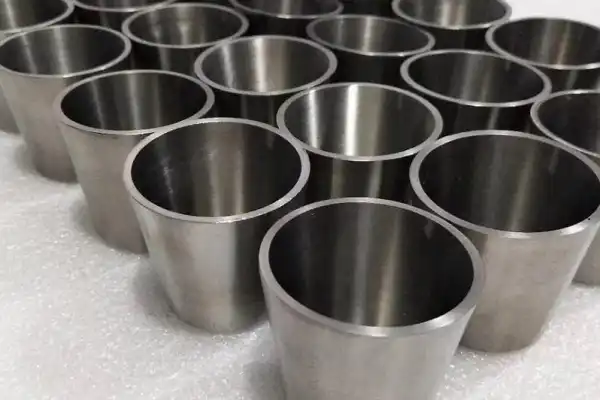
Precise climate control preserves material integrity and keeps tungsten and molybdenum ready for high-precision applications. The key variables are temperature stability, humidity levels, and atmospheric purity.
A systematic approach to climate control starts with assessing the existing environment. Evaluate ambient temperature, humidity levels, and potential contamination sources. Then determine the specific purity and surface finish requirements for the parts being stored, since these dictate how stringent the controls need to be.
For primary controls, HVAC systems should maintain temperatures between 18°C and 25°C. Industrial-grade dehumidifiers keep relative humidity below 50%, with 30% to 40% being the target range to prevent condensation and oxidation. HEPA filtration minimizes particulate contamination, which matters especially for parts destined for vacuum or cleanroom applications.
Continuous monitoring with temperature and humidity sensors provides data logging and alerts when conditions drift outside acceptable ranges. For high-purity or surface-critical components, dedicated dry cabinets or inert gas storage using nitrogen or argon adds another layer of protection.
Specialized equipment becomes necessary for long-term preservation or in regions with challenging climates. Industrial dehumidifiers, climate-controlled storage units, and air filtration systems address most situations. For extremely sensitive components, inert gas environments or vacuum-sealed packaging eliminate exposure to oxygen and moisture entirely. The equipment investment prevents degradation that would otherwise force material rejection or rework.
Packaging and handling protect tungsten and molybdenum from physical damage and environmental contamination. These steps matter as much as climate control for maintaining material integrity.
Packaging materials control exposure to environmental factors and determine how long parts retain their specified properties. Vacuum-sealed bags made of multi-layer barrier films provide excellent protection against moisture and oxygen. Desiccants absorb residual moisture inside sealed packages. Rigid plastic containers or foam-lined boxes prevent physical damage during transit and storage. For larger components, custom wooden crates with internal bracing provide the structural support needed.
Inadequate packaging creates problems. Simple cardboard boxes or thin plastic wraps offer minimal protection and increase the risk of surface degradation or physical damage. The difference in outcomes between proper and inadequate packaging shows up clearly in receiving inspections.
| Packaging Material | Advantages | Limitations |
|---|---|---|
| Vacuum-Sealed Barrier Bags | Excellent moisture and oxygen barrier, maintains cleanliness | Can be punctured, provides no rigidity |
| Rigid Plastic Containers | Good physical protection, stackable | Not always airtight, potential static buildup |
| Foam Inserts and Liners | Cushions against impact and vibration | Can shed particles, provides no moisture protection |
| Desiccant Packs | Absorbs moisture, prevents condensation | Requires periodic replacement, not a barrier itself |
| Inert Gas Purged Bags | Eliminates oxygen and moisture completely | More complex to implement, requires gas supply |
| Custom Wooden Crates | High physical protection for large items | Heavy, costly, not airtight |
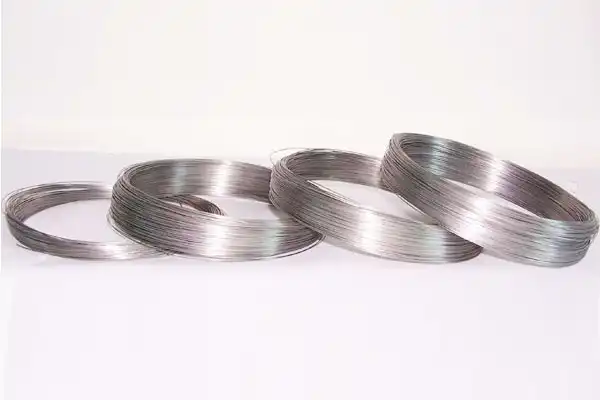
A multi-stage packaging process addresses multiple failure modes: vacuum-seal each part in a moisture-barrier film, place it in a foam-lined rigid plastic container with a desiccant packet, then secure these containers within robust shipping crates. This approach increases packaging costs but eliminates surface degradation incidents.
When handling these materials, clean lint-free gloves prevent transferring oils or contaminants from skin. Bare hand contact should be avoided entirely. Appropriate lifting equipment prevents drops or impacts with heavy components. Parts should be stored on clean, stable shelving away from high-traffic areas or vibration sources.
Effective inventory management maximizes the utility and longevity of tungsten and molybdenum parts. A system that combines careful tracking with proactive preservation keeps materials ready for use while minimizing waste.
A First-In, First-Out system ensures older stock gets used before newer stock, preventing materials from sitting indefinitely and potentially exceeding their recommended shelf life. Each batch should have clear documentation including manufacturing date, purity level, specific dimensions, and recommended storage conditions.
Periodic visual inspections of stored parts and their packaging identify problems early. Look for discoloration, corrosion, or damage to packaging. If packaging shows wear, or if parts are being moved to a different storage area, repackage them using fresh materials and desiccants.
Different types of metals or alloys should be stored separately to prevent cross-contamination, particularly when one material is more reactive than another. Arrange parts efficiently to maximize space while ensuring easy access and preventing overcrowding that leads to accidental damage.
for Spraying)
Pure molybdenum plate benefits from consistent environmental control and proper packaging to maintain its pristine surface for applications like vacuum furnace hot-zone parts. Tungsten copper alloy components for high-power electronics require the same meticulous care to preserve their thermal and electrical conductivity.
Safety and compliance protect personnel and maintain material integrity. Established protocols ensure a secure working environment and meet regulatory standards.
Current Material Safety Data Sheets should be available for all tungsten and molybdenum products. Understanding potential hazards and following recommended handling and emergency procedures prevents incidents. Personnel should wear appropriate personal protective equipment including gloves, safety glasses, and closed-toe shoes when handling materials. For fine powders or dust, respiratory protection becomes necessary.
Good ventilation in storage areas prevents accumulation of dust or fumes, especially when materials are being unpackaged or processed. While tungsten and molybdenum are not highly flammable in solid form, fine powders can be combustible. Store powders in sealed containers away from ignition sources and ensure fire extinguishers are readily accessible.
Tungsten, particularly high-density tungsten alloy, is extremely heavy. Mechanical aids for lifting and moving heavy items prevent musculoskeletal injuries. Shelving and storage racks must be rated for the weight they will hold.
| Safety Aspect | Required Practice | Purpose |
|---|---|---|
| MSDS Access | Keep current MSDS readily available | Provides critical safety information |
| PPE Usage | Mandate gloves, eye protection, sturdy footwear | Prevents skin contact, eye injury, foot injury |
| Ventilation | Ensure adequate air circulation | Dissipates airborne particles or fumes |
| Weight Handling | Use mechanical lifts for heavy items | Prevents strain and injury from manual lifting |
| Emergency Preparedness | Train staff on spill and fire procedures | Ensures rapid, effective response to incidents |
| Hazard Communication | Clearly label all storage containers | Informs personnel of contents and potential risks |
All local, national, and international regulations regarding storage and handling of industrial materials must be followed, including environmental regulations for waste disposal and health and safety standards. Regular training for all personnel involved in material handling and storage ensures everyone understands the specific risks and best practices associated with tungsten and molybdenum.
If your facility handles significant volumes of refractory metals, a storage audit can identify gaps between current practices and the requirements outlined here.
High-purity tungsten and molybdenum parts should be visually checked quarterly, or more frequently if environmental conditions fluctuate. These inspections identify early signs of material degradation or packaging compromise. Catching minor issues before they escalate prevents significant material loss.
Tungsten and molybdenum parts can typically be stored together since their chemical inertness and similar storage conditions minimize cross-contamination risks. Individual parts should be properly packaged to prevent physical damage from contact. Separating different grades or alloys avoids mix-ups during retrieval.
Improper long-term storage causes surface oxidation, contamination, and structural changes that compromise intended performance. The consequences include costly rework, scrap, and failure to meet critical application specifications. In the worst cases, product failure in critical applications damages both reputation and profitability.
Handling stored molybdenum requires standard industrial safety practices. Appropriate personal protective equipment, good ventilation, and proper material handling procedures prevent dust inhalation and physical injury. For molybdenum powders, additional precautions against dust accumulation and ignition are necessary. To discuss specific storage requirements for your refractory metal inventory, contact our team at [email protected] or call +86 13995656368.
What Is A Titanium Rod Used For
What Is The Difference Between 90 10 And 70 30 Copper Nickel
Panoramic Analysis Of Chinas Molybdenum Industry In 2025 Market Status And Downstream Application Discussion