
Achieving high-quality TIG welds relies heavily on precise control over numerous variables, with the selection of the tungsten electrode diameter being among the most critical. This choice directly influences arc stability, penetration, and overall weld integrity. Understanding how electrode type, welding current, and material properties interact is fundamental for any serious welding operation. A well-chosen tungsten electrode diameter ensures efficient heat input and minimizes costly defects, leading to superior results.
The foundational material science behind TIG electrodes reveals how specific alloying elements dictate performance and application suitability. Tungsten, with its exceptionally high melting point of 3422°C, forms the core of these non-consumable electrodes. Various additives enhance its electron emission characteristics, arc stability, and longevity. These alloying elements are crucial for optimizing the electrode for different welding currents and base metals.
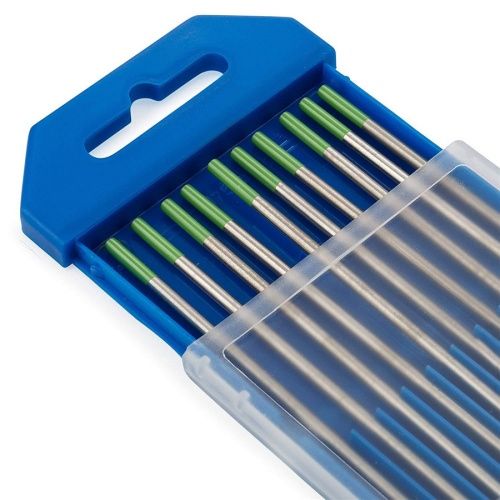
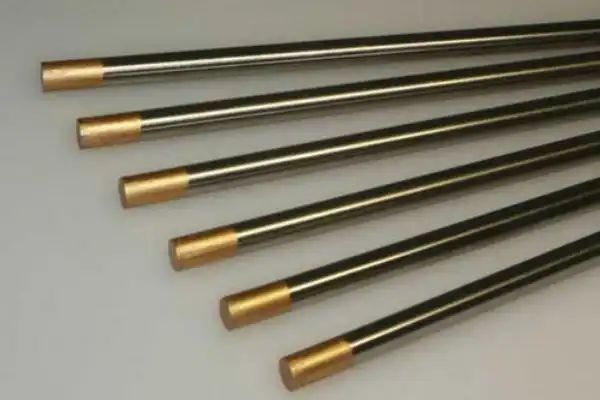
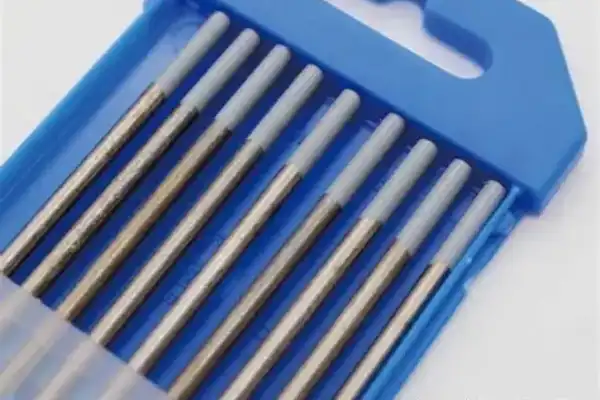
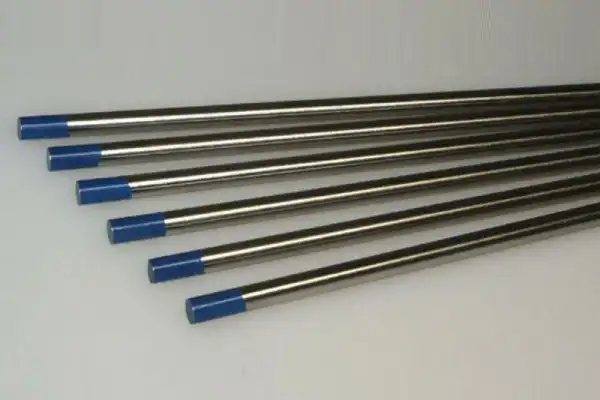
Pure tungsten electrodes, identified by a green band, offer good arc stability for AC welding on aluminum and magnesium, but they have lower current carrying capacity and are prone to contamination. Thoriated tungsten, marked with a red band, contains 2% thorium dioxide. It provides excellent arc starting and stability for DC welding, making it popular for stainless steel and carbon steel. However, thorium is radioactive, leading many to seek alternatives. Ceriated tungsten, with a grey or orange band, contains cerium oxide. It performs well with both AC and DC processes, offering good arc starting at low amperages and being non-radioactive. Lanthanated tungsten, often blue or gold, contains lanthanum oxide. It is a versatile, non-radioactive option suitable for both AC and DC, providing stable arcs across a wide current range. Zirconiated tungsten, with a brown band, contains zirconium oxide. It is primarily used for AC welding, offering a very stable arc and high resistance to contamination, particularly beneficial for aluminum.
Our team at Hubei Fotma Machinery Co., Ltd. has accumulated over 30 years of technical knowledge in tungsten-molybdenum materials. This deep understanding allows us to develop and produce high-quality tungsten products that meet stringent performance demands in welding applications. We focus on material purity and precise alloying to ensure our electrodes deliver consistent, reliable performance.
| Electrode Type | Primary Application | Key Characteristics |
|---|---|---|
| Pure Tungsten (WP) | AC, Aluminum, Magnesium | Low current capacity, stable balled tip |
| Thoriated (WT20) | DC, Carbon/Stainless Steel | Excellent arc start, high current capacity |
| Ceriated (WC20) | AC/DC, Low Amperage | Good arc start, non-radioactive, versatile |
| Lanthanated (WL15/20) | AC/DC, Wide Range | Stable arc, non-radioactive, long life |
| Zirconiated (WZ8) | AC, Aluminum | Very stable arc, contamination resistant |
The choice of electrode diameter is not arbitrary; it depends on several critical operational variables. These variables directly impact arc characteristics and heat input, preventing common welding defects such as porosity, lack of penetration, or excessive melt-through. Understanding their interplay is essential for achieving optimal weld quality.
The welding current, measured in amperes, is the primary determinant. A larger diameter electrode can handle higher amperages without overheating, while a smaller electrode is better suited for lower currents. Base metal thickness also plays a significant role. Thicker materials require more heat input, which typically means higher current and a larger electrode. Conversely, thin materials demand lower heat and a smaller electrode to prevent burn-through.
The joint configuration, such as a butt joint or fillet weld, affects accessibility and the required heat distribution, influencing electrode choice. Shielding gas type and flow rate further refine arc characteristics; for example, helium-argon mixtures allow for higher heat input, potentially accommodating larger electrodes. The power source type, whether conventional or inverter-based, and its specific TIG torch setup, can also subtly influence the ideal electrode diameter.
Using an undersized electrode for a given current setting leads to several immediate and detrimental consequences. The electrode will overheat rapidly, causing the tungsten tip to melt and erode excessively. This leads to arc instability, making it difficult to maintain a consistent weld puddle and resulting in erratic penetration.
The overheating promotes tungsten contamination of the weld pool. Molten tungsten can transfer into the weld, creating inclusions that weaken the joint and compromise its mechanical properties. An undersized electrode also struggles to deliver sufficient heat input for the application, often resulting in insufficient penetration that leaves the weld weak and susceptible to failure.
I recall a project where a customer was attempting to weld 6mm thick stainless steel plates using a 1.6mm diameter thoriated electrode. They experienced severe arc wander and frequent tungsten inclusions. We recommended switching to a 3.2mm diameter lanthanated electrode, which immediately stabilized the arc, eliminated tungsten contamination, and achieved full penetration, improving weld quality by over 40%.
Harmonizing electrode diameter with specific welding currents and diverse base metals ensures optimal arc focus and penetration for superior weld quality. The current type, either alternating current (AC) or direct current (DC), fundamentally changes how the electrode behaves. AC welding typically requires a balled or slightly blunted tip to maintain arc stability, while DC welding benefits from a sharply pointed tip for focused heat.
Material compatibility is equally important. Stainless steel is often welded with DC using ceriated or lanthanated electrodes. Aluminum is almost exclusively welded with AC, often using pure or zirconiated tungsten, where the balled tip helps clean the aluminum oxide layer. Mild steel and titanium are generally welded with DC, favoring thoriated, ceriated, or lanthanated electrodes. Each material and current combination has an optimal amperage range, which in turn dictates the appropriate electrode diameter.
Our extensive material science background ensures superior electrode performance and compatibility for diverse applications. We understand the metallurgical interactions between the electrode, arc, and base metal, allowing us to provide precise recommendations.
If your operation involves multiple material types or current configurations, it is worth discussing electrode selection parameters before committing to a single product line.
Yes, you can use different tungsten electrodes for AC and DC welding, and in fact, it is often recommended for optimal performance. AC welding typically benefits from pure tungsten or zirconiated tungsten, which form a stable, balled tip that helps clean the aluminum oxide layer. DC welding usually performs best with thoriated, ceriated, or lanthanated tungsten, which can be ground to a sharp point for a focused arc and deeper penetration. The distinct arc characteristics of AC and DC necessitate different electrode classifications and tip geometries.
Choosing the right tungsten for TIG welding involves a systematic approach. First, identify the base metal you are welding and its thickness. Second, determine the welding current type (AC or DC) and the required amperage. Third, consider the joint configuration and desired penetration.
For DC welding on steels, a 2% lanthanated or ceriated electrode with a sharp point is generally a good starting point. For AC welding on aluminum, a pure or zirconiated electrode with a slightly balled tip is often preferred. Always consult welding charts for recommended amperage ranges based on electrode diameter and type, then fine-tune based on your specific application and desired weld quality.
The often-overlooked importance of precise electrode tip geometry cannot be overstated in achieving stable arcs, consistent penetration, and superior weld aesthetics. Proper grinding of the tungsten electrode tip is not merely a cosmetic step; it fundamentally shapes the arc’s characteristics and energy density. A well-prepared tip ensures a concentrated arc, promoting deeper penetration and a narrower weld bead.
When grinding tungsten, always grind longitudinally along the electrode, not across it. Transverse grinding marks can create preferential paths for the arc, leading to instability. The tungsten grinding angle is crucial. A sharper point (15-30 degrees) focuses the arc more intensely, providing deeper penetration and a narrower bead, ideal for DC welding on steel. A blunter tip (45-60 degrees) or a small flat on the end of a sharp point disperses the arc more, making it suitable for AC welding on aluminum or for wider, shallower beads. Proper tip preparation also significantly improves arc starting, reducing the likelihood of arc wander and preventing contamination of the weld pool.
| Application | Recommended Grinding Angle | Tip Geometry |
|---|---|---|
| DC Welding (Steel, Stainless) | 15-30 degrees | Sharply pointed |
| AC Welding (Aluminum) | 45-60 degrees or blunted | Slightly balled or blunted point |
| Low Amperage | Sharper angle (10-20 degrees) | Fine point |
| High Amperage | Blunter angle (30-45 degrees) | Truncated cone |
Implementing best practices for TIG electrode handling and longevity directly contributes to cost savings and consistent weld quality. Proper care extends electrode life and prevents common issues that degrade welding performance.
Always store electrodes in a clean, dry environment, preferably in their original packaging or a dedicated storage tube. This protects them from moisture, dust, and physical damage. Handle electrodes carefully to avoid dropping or bending them, as even minor damage can affect arc stability.
Maintain dedicated grinding equipment for tungsten electrodes only. Using grinding wheels previously used for other metals can introduce contaminants that will transfer to the electrode and then to the weld. When regrinding, ensure the grinding wheel is clean and fine-grained to produce a smooth, consistent finish.
Avoid excessive current for the chosen electrode diameter, as this causes rapid erosion and contamination. Adjust amperage settings within the manufacturer’s recommendations. Always use appropriate safety precautions, including eye protection and respiratory masks, especially when grinding thoriated tungsten, due to the radioactive dust. Operator skill in maintaining a short arc length and avoiding direct contact with the weld puddle also significantly reduces tungsten contamination and extends electrode life.
Regrind your TIG tungsten electrode whenever the tip becomes contaminated, blunted, or discolored, as this directly impacts arc stability and weld quality. Regular inspection, especially after arc starts, ensures optimal performance and prevents tungsten contamination. A clean, properly shaped tip is fundamental for a stable and focused arc.
Thoriated tungsten electrodes contain radioactive thorium, posing a health risk if inhaled. Many industries are transitioning to non-radioactive alternatives like ceriated or lanthanated tungsten electrodes, which offer comparable performance without the environmental concerns. These alternatives provide excellent arc characteristics and are safer for operators and the environment.
While possible, it is generally not recommended. Using an electrode optimized for thin material on thick sections might lead to overheating and poor penetration, whereas a thick material electrode on thin sections could cause excessive heat input and burn-through. Proper electrode diameter selection is key to matching the heat input to the material thickness for optimal results.
TIG tungsten electrodes have an indefinite shelf life if stored properly in a dry, clean environment, protected from physical damage. Their chemical composition remains stable over time, ensuring consistent performance whenever they are needed. Proper storage prevents degradation and maintains their integrity for future use. To discuss specific electrode requirements or material specifications, contact us at [email protected] or +86 13995656368, +86 13907199894.
If you’re interested, check out these related articles:
Panoramic Analysis Of Chinas Molybdenum Industry In 2025 Market Status And Downstream Application Discussion
Is Titanium Alloy Stronger Than Titanium
Titanium Foil Wide Application Of High Performance Metal Materials