
Advanced engineering demands materials that perform beyond conventional limits. Titanium-Nickel and other specialty titanium alloys, alongside molybdenum alloys like TZM, offer unique property combinations essential for high-performance applications. These materials provide solutions where strength, corrosion resistance, high-temperature stability, or unique functional properties are paramount, driving innovation across various industries. Understanding their distinct characteristics is key to successful material selection.
Titanium-Nickel alloys, most notably Nitinol, represent a class of advanced materials distinguished by their remarkable functional properties: shape memory and superelasticity. Shape memory refers to the ability of the alloy to return to a pre-set shape after being deformed, typically upon heating above a specific transformation temperature. Superelasticity allows the alloy to undergo significant elastic deformation and return to its original shape without heating, exhibiting a much larger recoverable strain than conventional metals. These properties arise from a reversible solid-state phase transformation between austenite and martensite crystal structures.
I have observed in our material research that achieving precise control over these transformation temperatures is critical. Slight variations in nickel content or thermomechanical processing can shift the transformation range by several degrees Celsius, directly impacting the alloy’s performance in application. Our team has focused on optimizing these parameters to ensure consistent material behavior.
While pure titanium and its common alloys like Ti-6Al-4V are celebrated for their high strength-to-weight ratio and corrosion resistance, Nitinol stands apart due to its unique functional attributes.
| Property | Nitinol (Ti-Ni) | Ti-6Al-4V (Alpha-Beta Alloy) | Pure Titanium (Grade 2) |
|---|---|---|---|
| Key Feature | Shape Memory, Superelasticity | High Strength, Good Weldability | Excellent Corrosion Resistance, Ductility |
| Density (g/cm³) | ~6.45 | ~4.43 | ~4.51 |
| Tensile Strength | Moderate (500-1000 MPa) | High (860-1170 MPa) | Moderate (345-485 MPa) |
| Modulus of Elasticity | Low (30-80 GPa, variable) | High (110-120 GPa) | Moderate (103 GPa) |
| Biocompatibility | Excellent | Excellent | Excellent |
| Applications | Medical implants, actuators, orthodontics | Aerospace, medical, marine, automotive | Chemical processing, heat exchangers |
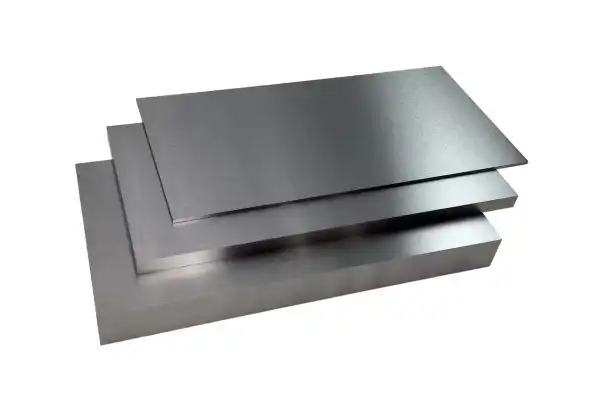
Nitinol’s unique combination of shape memory, superelasticity, and exceptional fatigue resistance makes it indispensable for advanced applications, particularly in the biomedical and aerospace sectors. Its biocompatibility, meaning it does not provoke a harmful response in living tissue, is a primary reason for its widespread use in medical devices. Self-expanding stents, orthodontic archwires, and guidewires all rely on Nitinol’s ability to deform and then recover its original shape or exert constant force. In aerospace, Nitinol serves as an actuator for morphing wings or vibration damping systems, where its ability to change shape in response to temperature or stress provides novel design opportunities.
Hubei Fotma Machinery Co., Ltd.’s expertise in producing high-quality non-ferrous metal materials with advanced equipment ensures the reliability required for critical applications like these. Our rigorous process controls are designed to meet the stringent specifications of medical and aerospace industries.
Manufacturing medical-grade Nitinol requires meticulous control at every stage to ensure consistent properties and purity.
Titanium-iron (Ti-Fe) alloys, often referred to as ferro-titanium, are primarily used as master alloys in steelmaking to deoxidize and denitrogenize steel and to introduce titanium for grain refinement and strengthening. Specific Ti-Fe compositions can also be engineered for structural applications where enhanced strength and corrosion resistance are needed. These alloys can offer a superior strength-to-weight ratio compared to many traditional engineering metals, making them attractive for demanding industrial environments. Their resistance to various corrosive media, including chlorides and acids, extends their utility beyond what pure titanium can offer in certain conditions.
In one project, our team found that integrating Ti-Fe alloys into a chemical processing plant’s piping system significantly reduced corrosion rates by over 30% compared to standard stainless steel over a two-year period. This led to extended operational life and reduced maintenance costs for the client.
Ti-Fe alloys generally exhibit higher strength than pure titanium due to solid solution strengthening and the formation of intermetallic compounds. The iron content acts as an alloying element, increasing the material’s yield and tensile strength.
| Property | Ti-Fe Alloy (e.g., Ti-10Fe) | Pure Titanium (Grade 2) |
|---|---|---|
| Tensile Strength | High (up to 1200 MPa) | Moderate (345-485 MPa) |
| Yield Strength | High (up to 1000 MPa) | Moderate (275-380 MPa) |
| Elongation | Moderate (5-15%) | High (20-30%) |
| Hardness (HV) | Higher (250-350) | Lower (150-200) |
| Corrosion Resistance | Excellent (can be tailored) | Excellent |
| Density (g/cm³) | ~4.6-4.8 (slightly higher than pure Ti) | ~4.51 |
TZM, an alloy of titanium, zirconium, and molybdenum (typically Mo-0.5Ti-0.08Zr-0.01-0.04C), is a high-performance refractory metal known for its exceptional properties at elevated temperatures. Unlike pure molybdenum, TZM offers significantly improved high-temperature strength, creep resistance, and recrystallization temperature. Creep resistance refers to the material’s ability to resist deformation under prolonged stress at high temperatures. The additions of titanium and zirconium form fine carbide precipitates within the molybdenum matrix, which pin grain boundaries and impede dislocation movement, thereby enhancing these properties. Its high melting point (around 2620°C) and good thermal conductivity make it ideal for applications operating in extreme thermal conditions.
for Spraying)
TZM molybdenum alloys are critical in several industries where extreme conditions prevail.
In aerospace, TZM is used in rocket nozzles, re-entry vehicle components, and high-temperature furnace parts due to its strength and stability at very high temperatures. For industrial furnaces, TZM is a preferred material for heating elements, heat shields, and structural components in vacuum and controlled-atmosphere furnaces. Its resistance to creep ensures structural integrity over long operational periods. In tooling and die casting, TZM provides excellent wear resistance and maintains hardness at elevated temperatures, extending tool life for hot working tools, extrusion dies, and die casting molds. Components in nuclear reactors and fusion research often utilize TZM for its radiation resistance and high-temperature performance. X-ray targets and other high-temperature components in medical imaging equipment benefit from TZM’s thermal properties.
Optimal performance in critical applications hinges on precise alloy selection, a thorough understanding of processing requirements, and reliable sourcing from expert manufacturers. The choice between Nitinol, Ti-Fe, TZM, or other specialty titanium alloys depends entirely on the specific demands of the application, including temperature, stress, corrosive environment, and desired functional properties. Material scientists and engineers must carefully evaluate each alloy’s characteristics against these criteria. Selecting Nitinol for a medical implant requires not only its biocompatibility but also precise control over its transformation temperatures and fatigue life, which are influenced by manufacturing processes.
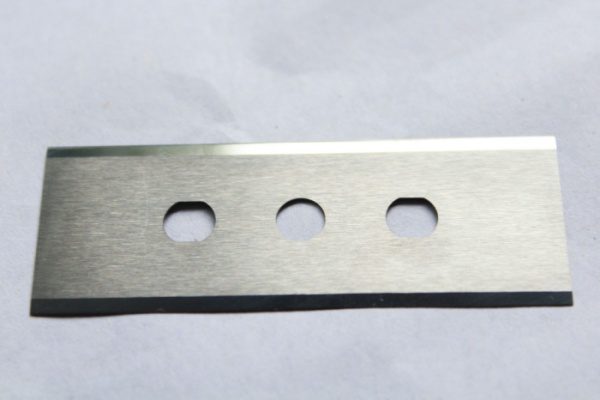
With over 30 years of technical accumulation, Hubei Fotma Machinery Co., Ltd. offers comprehensive solutions and competitive expertise in material research and production. We guide clients in selecting and supplying the optimal specialty alloys. Our ISO-9000-1:2008 certification underscores our commitment to quality and consistency in material production. If your application involves high-temperature environments or requires specific shape memory characteristics, it is worth discussing material grades and processing parameters before committing to a specification.
How does the cost of specialty titanium alloys compare to conventional metals?
Specialty titanium alloys typically have a higher initial cost due to complex manufacturing processes and raw material expenses. Their superior performance in terms of strength, corrosion resistance, and longevity often results in lower lifecycle costs, making them a cost-effective solution for demanding industrial applications.
Are there specific challenges in machining Nitinol compared to other metals?
Nitinol presents unique machining challenges due to its superelasticity and work-hardening characteristics, requiring specialized tools, techniques, and slower cutting speeds. Proper heat treatment and cooling are critical to maintain its unique shape memory properties and achieve desired dimensional accuracy.
What are the environmental considerations for using these advanced alloys?
The production of advanced alloys like titanium and molybdenum can be energy-intensive, but their exceptional durability and recyclability contribute to a reduced environmental footprint over their lifespan. Efforts are ongoing to optimize manufacturing processes for greater sustainability and efficient material utilization.
Can these specialty alloys be welded or joined using standard techniques?
Welding specialty alloys like Nitinol or TZM often requires specialized techniques to preserve their unique material properties and prevent embrittlement. Inert gas shielding, vacuum welding, or electron beam welding are commonly employed to ensure joint integrity and maintain performance in critical applications. To discuss your specific alloy requirements and processing needs, contact our technical team at [email protected] or call +86 13995656368.
Engineers and R&D specialists often face challenges in identifying and sourcing the precise specialty alloys needed for their high-performance applications. Hubei Fotma Machinery Co., Ltd. provides expert material research, advanced production capabilities, and technical support for a wide range of non-ferrous metal materials. To discuss your specific alloy requirements and discover tailored solutions, email us at [email protected] or call us at +86 13995656368 or +86 13907199894.
If you’re interested, check out these related articles:
Analysis Of The Outstanding Performance Of Molybdenum Copper Alloy And Cmc Three Layer Structure Materials
What Material Is Cuni44 Copper Nickel Alloy Plate
What Is Tungsten Copper Used For