
Heat builds up fast in modern electronics. The smaller components get, the harder it becomes to move that heat away before something fails. I’ve watched engineers cycle through material after material trying to solve this problem, and diamond copper composites keep coming up as the answer when nothing else works. The combination makes sense once you see it in action: diamond handles the heat transfer while copper holds everything together and gives you something you can actually machine and mount. FOTMA has been refining these materials for over three decades, and the results show in applications where thermal failure simply isn’t an option.
Diamond conducts heat better than any other known material. Copper conducts heat well and machines easily. Put them together in the right proportions and you get a diamond copper composite that outperforms either material alone. The diamond particles create pathways for heat to travel through the material rapidly, while the copper matrix binds everything into a solid structure you can shape and attach to other components.
The thermal conductivity numbers tell the story. Pure copper moves heat at around 390 W/mK. Diamond copper composites reach 600 to 1000 W/mK depending on diamond content and particle distribution. That difference matters when you’re trying to pull heat away from a processor running at full load or a power module handling hundreds of amps.
Processors pack more transistors into smaller spaces every generation. Power modules handle higher currents. LED arrays push more lumens through tighter footprints. All of this generates heat in concentrated areas, and that heat needs somewhere to go.
When temperatures climb too high, several things happen. Semiconductor junctions degrade faster. Solder joints fatigue from repeated thermal cycling. Performance drops as components throttle themselves to avoid damage. Eventually something fails, sometimes catastrophically.
Diamond copper heat spreaders address this by pulling heat away from hot spots faster than conventional materials can manage. The thermal conductivity advantage translates directly into lower junction temperatures and longer component life.
A heat spreader sits between a heat-generating component and whatever cooling system you’re using, whether that’s a heatsink, a cold plate, or direct liquid cooling. Its job is to spread concentrated heat across a larger area so the cooling system can work more effectively.
Diamond copper excels at this because it combines high thermal conductivity with a controllable coefficient of thermal expansion. The CTE matters because electronic components expand and contract as they heat up and cool down. If the heat spreader expands at a different rate than the component it’s attached to, you get stress at the interface. Over thousands of thermal cycles, that stress causes cracks, delamination, and eventual failure.
Diamond copper composites can be engineered with CTE values between 5 and 10 ppm/°C, which matches well with common semiconductor materials like silicon, gallium arsenide, and silicon carbide. This matching reduces interface stress and extends the life of the assembly.
| Property | Diamond Copper Composite | Pure Copper | Aluminum |
|---|---|---|---|
| Thermal Conductivity | 600-1000 W/mK | 390 W/mK | 205 W/mK |
| CTE (ppm/°C) | 5-10 | 17 | 23 |
| Density (g/cm³) | 3.5-5.5 | 8.96 | 2.7 |
| Stiffness (GPa) | High | Moderate | Low |
| Mechanical Stability | Excellent | Good | Fair |
The stiffness and mechanical stability numbers matter for applications where the heat spreader also serves as a structural element. In some designs, the heat spreader forms part of the package substrate and needs to maintain flatness under thermal cycling without warping or cracking.
Our work with Diamond Composite Materials has taught us which combinations work best for specific applications. If you’re interested, check 《Analysis Of The Outstanding Performance Of Molybdenum Copper Alloy And Cmc Three Layer Structure Materials》.
The manufacturing process determines whether a diamond copper composite lives up to its theoretical potential or falls short. Two main approaches dominate production: powder metallurgy and infiltration.
Powder metallurgy starts with diamond particles and copper powder mixed together, then pressed and sintered under controlled conditions. The challenge lies in achieving good contact between diamond and copper without damaging the diamond particles or leaving voids in the matrix.
Infiltration takes a different approach. Diamond particles are packed into a mold, then molten copper is drawn into the spaces between particles through capillary action or applied pressure. This method can achieve higher diamond loading and better particle distribution, but requires precise temperature control to avoid thermal damage to the diamond.
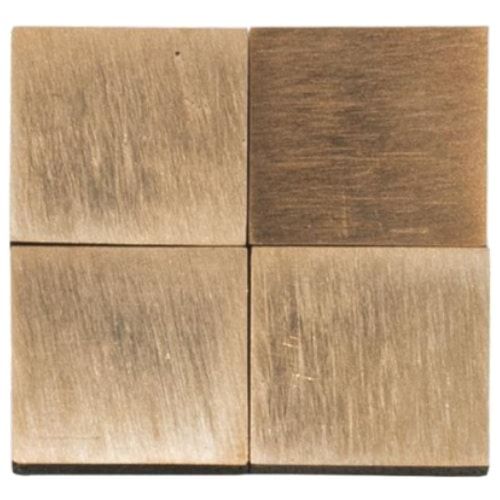
Three factors determine how well a diamond copper composite conducts heat:
Diamond particle distribution affects how heat flows through the material. Clumped particles create bottlenecks while evenly distributed particles provide multiple parallel pathways for heat transfer.
Interface bonding between diamond and copper determines whether heat can actually cross from one material to the other. Poor bonding creates thermal resistance at every particle boundary, negating much of the diamond’s conductivity advantage. Surface treatments on the diamond particles improve wetting and bonding with the copper matrix.
Density matters because voids don’t conduct heat. A composite with 5% porosity will underperform one with less than 1% porosity, even if both have the same diamond content.
FOTMA’s three decades of manufacturing experience show up in the consistency of our products. We’ve learned which process parameters matter most and how to control them across production runs.
Some applications can get by with aluminum or copper heat spreaders. Others need diamond copper to function reliably.
Aerospace and defense systems face extreme temperature swings and vibration while demanding absolute reliability. A satellite can’t be serviced after launch, so thermal management components need to work flawlessly for years. Diamond copper’s combination of high conductivity, CTE matching, and mechanical stability makes it a natural fit.
Electric vehicle power modules handle enormous currents while operating in harsh thermal environments. The power electronics in an EV drivetrain can generate kilowatts of waste heat in a compact space. Diamond copper heat spreaders help keep IGBT and SiC power modules within their safe operating temperature range.
High-power RF amplifiers in telecommunications infrastructure generate concentrated heat that needs to be spread quickly to avoid damaging expensive GaN or GaAs devices. The CTE match between diamond copper and these compound semiconductors prevents the thermal cycling failures that plague mismatched material combinations.
Medical imaging equipment relies on precise temperature control for accurate results. MRI gradient coils, CT X-ray tubes, and ultrasound transducers all benefit from diamond copper’s ability to manage heat without introducing thermal distortion.
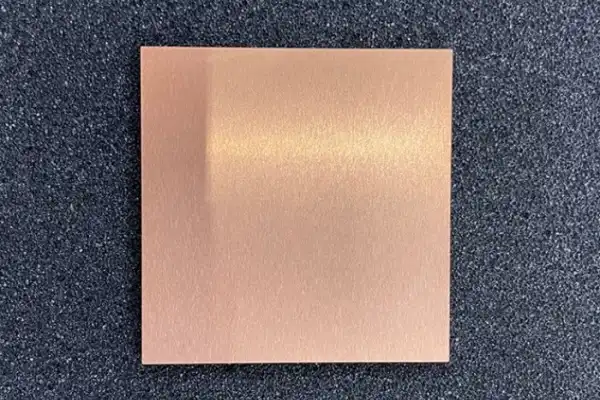
The decision to use diamond copper usually comes down to one of three factors:
Thermal conductivity requirements exceed what copper or aluminum can provide. If your thermal model shows that you need more than 400 W/mK to keep junction temperatures acceptable, diamond copper becomes necessary.
CTE matching is critical for reliability. Applications with large temperature swings or high cycle counts benefit from the reduced thermal stress that CTE-matched materials provide.
Space constraints prevent using larger, less efficient heat spreaders. Diamond copper’s superior conductivity lets you achieve the same thermal performance in a smaller footprint.
We also produce Molybdenum Copper Alloy Mocu Heat Sink for applications where diamond copper’s properties aren’t required but pure copper still falls short. If you’re interested, check 《Comprehensive Applications Of Tungsten Copper Alloy In Aerospace And New Energy Vehicles》.
The push for higher thermal conductivity continues as electronics get more powerful and more compact. Several trends are shaping the development of next-generation diamond copper composites and related materials.
Higher diamond loading increases thermal conductivity but makes manufacturing more challenging. Current production methods work well up to about 70% diamond by volume. Pushing beyond that requires new approaches to particle packing and matrix infiltration.
Improved interface engineering focuses on the boundary between diamond and copper. Surface coatings and carbide-forming additives can strengthen the bond and reduce thermal resistance at the interface. Some research explores using thin metal layers between diamond and copper to improve heat transfer.
Integration with active cooling systems combines diamond copper heat spreaders with microchannels or jet impingement cooling. The heat spreader handles the initial spreading from a concentrated heat source, while the active cooling system removes heat from the larger area.
Additive manufacturing opens possibilities for complex geometries that would be impossible with traditional machining. Printing diamond copper structures with internal channels or optimized heat flow paths could improve performance beyond what flat heat spreaders can achieve.
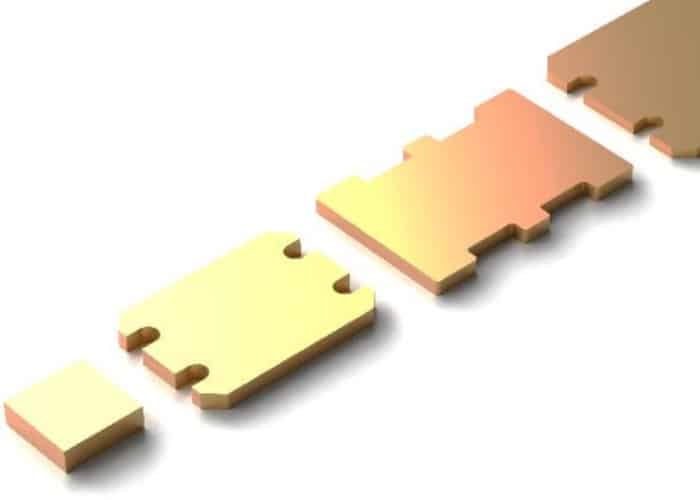
Diamond copper heat spreaders cost more than copper or aluminum alternatives, but they deliver thermal performance that cheaper materials can’t match. The 600-1000 W/mK thermal conductivity pulls heat away from components fast enough to prevent thermal throttling and extend operating life. For applications where thermal failure means system failure, the cost difference pays for itself in reliability and reduced warranty claims. The CTE matching also eliminates a common failure mode in power electronics, where thermal cycling causes interface delamination over time.
Every batch of diamond copper composite undergoes thermal conductivity testing using laser flash analysis, which measures how quickly heat pulses travel through the material. We verify CTE using dilatometry across the operating temperature range. Density measurements confirm that the composite is free of significant porosity. Mechanical testing checks flexural strength and modulus. These measurements get compared against the specifications for each product grade, and materials that fall outside tolerance don’t ship. Our ISO-9000-1:2008 certification provides the framework for documenting and maintaining these quality processes.
Custom configurations are actually the norm rather than the exception. Standard rectangular heat spreaders work for some applications, but many designs need specific shapes, mounting features, or surface finishes. We work with engineering teams to understand the thermal requirements, mechanical constraints, and integration needs for each application. From there, we can produce heat spreaders in the required geometry with the appropriate surface preparation for bonding or soldering. The material properties remain consistent regardless of the final shape.
For related thermal management components, explore our igbt heat sink substrates. If you’re interested, check 《What Are The Applications Of Al Sic Composites》.
Hubei Fotma Machinery Co., Ltd. brings three decades of materials expertise to diamond copper heat spreader production. That experience shows up in consistent product quality and the ability to solve thermal problems that other suppliers struggle with. If your application demands thermal conductivity beyond what conventional materials can deliver, or if CTE mismatch has been causing reliability problems, diamond copper composites deserve a serious look. Reach out at +86 13995656368 or [email protected] to discuss what you’re working on and whether diamond copper fits your requirements.