
The push for conflict-free minerals has moved from a niche concern to a baseline expectation across manufacturing sectors. I’ve watched procurement teams shift from treating ethical sourcing as a compliance checkbox to recognizing it as a genuine supply chain risk factor. When you’re sourcing tungsten tantalum for aerospace components or medical devices, the origin story of those materials matters—not just ethically, but commercially. A single audit failure or regulatory flag can freeze shipments and damage relationships that took years to build. China’s position in this space has evolved considerably, and understanding how responsible sourcing actually works on the ground there requires looking past the headlines.
Conflict minerals refer to raw materials extracted from regions where mining operations fund armed groups, enable human rights violations, or cause severe environmental harm. The term most commonly applies to tin, tantalum, tungsten, and gold—the so-called 3TG minerals—with the Democratic Republic of Congo and surrounding countries being the primary concern. But the underlying principle extends beyond geography: any mineral supply chain that lacks transparency creates risk.
The Dodd-Frank Act Section 1502 forced publicly traded U.S. companies to disclose whether their products contain 3TG minerals from the DRC region. The EU Conflict Minerals Regulation (EU 2017/821) took a different approach, requiring importers to conduct due diligence rather than simply report. Both frameworks share the same goal: making it economically and reputationally costly to ignore where your materials come from.
The OECD Due Diligence Guidance provides the operational framework that most serious players follow. It’s not a certification—it’s a process. Companies identify risks, assess their severity, implement mitigation measures, and report on their efforts. The practical work involves verifying smelter compliance and establishing traceability in mining operations back to the extraction site. This isn’t paperwork for its own sake. When done properly, it creates a documented chain of custody that can withstand regulatory scrutiny.
Due diligence in mineral supply chains has shifted from best practice to business necessity. The systematic identification and mitigation of mineral supply chain risks protects companies from legal exposure, but the reputational dimension often carries more weight. A single investigative report linking your products to conflict financing can undo years of brand building.
Implementing a robust due diligence supply chain framework requires more than policy statements. It demands actual audits, supplier questionnaires with teeth, and the willingness to walk away from relationships that can’t demonstrate compliance. This is where corporate social responsibility intersects with procurement reality. The companies that treat this seriously tend to have fewer supply disruptions and stronger relationships with customers who face their own disclosure requirements.
China’s role in non-ferrous metals production makes it impossible to discuss conflict-free sourcing without addressing the country directly. The processing capacity for tungsten and tantalum concentrated in Chinese facilities means that even materials mined elsewhere often pass through Chinese smelters and refineries. This creates both challenges and opportunities for ethical mineral sourcing China initiatives.
The evolution I’ve observed over the past decade is significant. Chinese mineral suppliers that once viewed international standards as foreign impositions now increasingly recognize them as market access requirements. The shift toward sustainable tungsten and tantalum sourcing standards reflects commercial reality: major buyers won’t engage with suppliers who can’t demonstrate compliance.
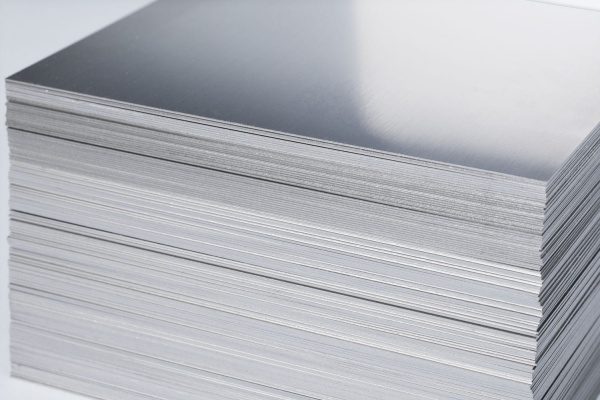
Many Chinese producers have implemented internal controls that would have seemed unlikely a generation ago. Participation in global certification programs has grown, and the documentation practices at leading facilities now match what you’d expect from European or North American operations. This doesn’t mean every Chinese supplier meets these standards—far from it—but the gap between leaders and laggards has widened considerably.
Verification requires systematic effort, not just good intentions. Procurement professionals need to approach Chinese suppliers with specific requests and clear expectations.
Request comprehensive documentation: Origin certificates and due diligence reports should be standard deliverables, not special requests. If a supplier hesitates to provide these, that hesitation tells you something.
Verify smelter compliance: The Responsible Minerals Initiative maintains lists of compliant smelters. Cross-reference your supplier’s claimed smelters against these lists. Discrepancies require explanation.
Conduct supplier audits: Paper documentation has limits. On-site audits of supplier facilities reveal whether documented procedures actually operate in practice.
Assess adherence to international standards: Ask specifically about OECD Due Diligence Guidance implementation. Suppliers familiar with the framework can discuss it in detail; those who aren’t will give vague answers.
Review supply chain transparency: Request information about the entire mineral journey from extraction to your receiving dock. Gaps in this narrative warrant investigation.
Check for third-party certifications: Independent validation carries more weight than self-certification. Look for recognized programs with actual audit requirements.
These steps to verify conflict-free status require investment, but they’re far less expensive than discovering problems after materials are already in your products. Responsible sourcing practices built on supply chain transparency create defensible positions when questions arise.
Several certifications signal genuine commitment to responsible mineral sourcing from China. Understanding what each represents helps distinguish meaningful credentials from marketing claims.
ISO 9001 certification addresses quality management systems rather than ethical sourcing directly, but it indicates organizational maturity. Companies with robust quality systems tend to have the infrastructure to implement ethical sourcing programs effectively.
Responsible Minerals Initiative (RMI) participation, particularly through the Responsible Minerals Assurance Process, provides third-party validation of smelter practices. This program has become the de facto standard for demonstrating conflict-free status.
Conflict-Free Smelter Program (CFSP) audits, now integrated into RMI, examine smelter and refiner sourcing practices specifically. Facilities that pass these audits have demonstrated their ability to trace materials and exclude conflict sources.
Independent supply chain audits conducted by recognized third parties provide assurance beyond self-reported compliance. These audits verify that documented procedures match actual operations.
The business case for partnering with reputable Chinese suppliers extends beyond avoiding negative outcomes. Tangible benefits accrue to companies that prioritize ethical sourcing in their supplier selection.
Mitigating supply chain risks ranks among the most immediate advantages. Suppliers who invest in due diligence have already identified and addressed vulnerabilities in their own supply chains. This reduces your exposure to disruptions caused by regulatory actions or reputational crises affecting your suppliers.
The corporate social responsibility dimension increasingly influences customer decisions. Downstream buyers face their own disclosure requirements and prefer suppliers who simplify their compliance burden. Being able to demonstrate ethical sourcing throughout your supply chain becomes a competitive advantage rather than just a cost center.
Material quality tends to correlate with ethical sourcing practices. The same organizational discipline required to maintain supply chain transparency also supports consistent quality control. Established Chinese firms producing high-density alloys and tungsten-molybdenum alloys typically maintain both ethical standards and technical specifications because both require similar management capabilities.
| Feature | Ethical Sourcing (Reputable Supplier) | Unethical Sourcing (Risky Supplier) |
|---|---|---|
| Supply Chain Risk | Low (Mitigated) | High (Legal, Reputational) |
| Reputational Impact | Positive (Enhanced) | Negative (Damaged) |
| Compliance | High (Meets Regulations) | Low (Non-Compliant) |
| Material Quality | Consistent, High | Variable, Potentially Low |
| Long-Term Sustainability | High | Low |
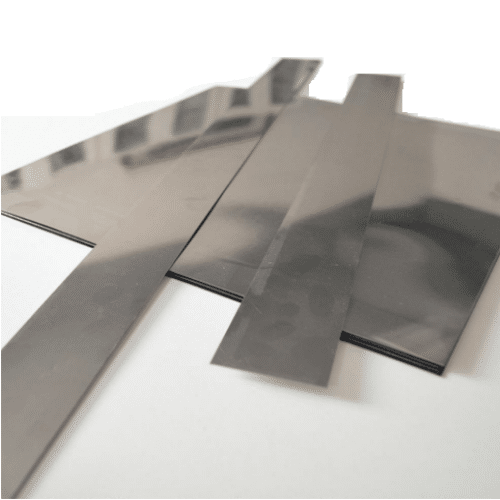
Hubei Fotma Machinery Co., Ltd. has built its approach to ethical sourcing around the same principles that drive our technical work. We specialize in tungsten-molybdenum alloys, high-density alloys, and other non-ferrous metal materials, and our ISO 9001 certified enterprise status reflects the quality management infrastructure underlying both our products and our sourcing practices.
Our production capabilities rest on modern equipment and rigorous testing methods, but the materials entering those processes matter just as much as what happens to them afterward. The core team brings over 30 years of technical accumulation in material research, and that experience extends to understanding supply chain dynamics and risk factors. We provide complete solutions for mechanical processing and manufacturing, including precision instrument materials that compete effectively in both domestic and international markets.
The commitment to conflict-free tungsten and tantalum sourcing isn’t separate from our quality commitment—it’s part of the same organizational discipline. We implement due diligence processes across our supply chain, work with verified smelters, and provide transparent documentation to customers who need to demonstrate their own compliance. The result is materials that meet both technical specifications and ethical sourcing standards.
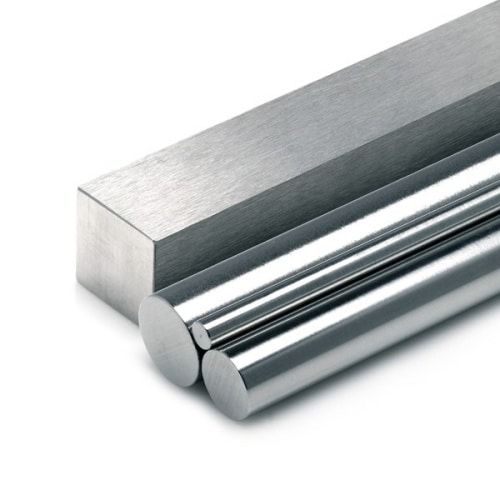
Hubei Fotma offers verified conflict-free tungsten and tantalum backed by documented supply chain practices and technical expertise developed over decades. Whether you need standard alloy compositions or custom specifications, we can discuss how our capabilities align with your requirements.
Contact us for ethical sourcing solutions and non-ferrous metal consultation. Reach out via email at [email protected] or [email protected], or call us at +86 13995656368 or +86 13907199894.
Reputable Chinese suppliers implement due diligence programs aligned with OECD Guidance frameworks. This involves tracing mineral origins to extraction sites, working exclusively with smelters that have passed third-party compliance audits, and maintaining documentation that demonstrates the chain of custody. The practical work includes supplier questionnaires, site audits, and ongoing monitoring rather than one-time verification. Companies like Hubei Fotma build these processes into standard operations rather than treating them as special compliance exercises.
ISO 9001 certification indicates the organizational infrastructure needed to maintain consistent practices. Responsible Minerals Initiative participation, particularly through smelter compliance programs, provides specific validation of conflict-free sourcing. Third-party supply chain audits conducted by recognized firms add another layer of assurance. The combination of quality management certification and ethical sourcing program participation signals a supplier’s commitment to both product integrity and supply chain transparency.
The risk profile includes regulatory penalties under frameworks like the Dodd-Frank Act and EU Conflict Minerals Regulation, but reputational damage often proves more costly. Supply chain disruptions can occur when non-compliant suppliers face enforcement actions or lose access to compliant smelters. Beyond commercial concerns, sourcing from conflict-affected areas contributes to human rights abuses and environmental destruction—outcomes that create lasting liability even when immediate legal consequences don’t materialize.