
Tungsten carbide scrap sits in warehouses and scrap bins across manufacturing facilities worldwide, often treated as waste when it represents recoverable value. The material’s tungsten and cobalt content makes recycling economically attractive, while the environmental case for keeping these metals in circulation grows stronger as primary extraction costs rise and ore grades decline.
Tungsten carbide combines tungsten carbide particles with a metallic binder, typically cobalt, creating a composite with hardness second only to diamond among common industrial materials. This composition explains why scrap prices track closely with primary tungsten and cobalt markets.
The value calculation depends on several factors: tungsten content by weight, binder type and percentage, contamination level, and physical form. Clean solid inserts with 90% tungsten content command significantly higher prices than grinding sludge at 55% tungsten mixed with cutting fluids. Cobalt content adds value independently, given cobalt’s critical role in battery technology and superalloys.
| Scrap Type | Typical Tungsten Content (Wt%) | Primary Binder | Value Indicator |
|---|---|---|---|
| Solid Inserts | 85-95% | Cobalt | High, minimal contamination |
| Drills/End Mills | 80-90% | Cobalt, Nickel | High, moderate contamination |
| Sludges/Grinding Dust | 50-70% | Cobalt, various | Medium, high contamination |
| Brazed Tips | 70-85% | Cobalt, Copper | Medium, requires separation |
| Wear Parts | 75-90% | Cobalt, Nickel | High, varies by size/form |
Hubei Fotma Machinery Co., Ltd. maintains deep expertise in tungsten-molybdenum products, which translates directly into accurate scrap assessment and identification of recovery potential that less specialized buyers might miss.

The path from scrap bin to recovered metal depends entirely on what goes into that bin. Mixing high-purity solid carbide inserts with contaminated grinding sludge forces the entire batch through more intensive processing, destroying value that proper segregation would preserve.
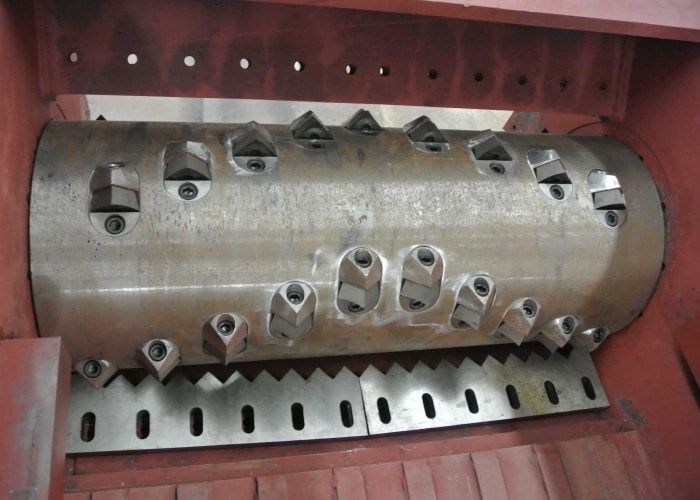
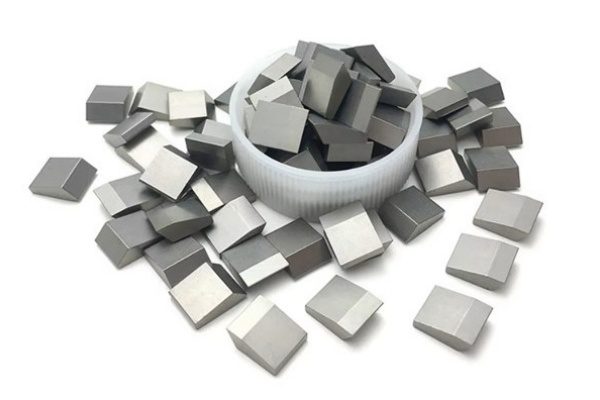
Solid carbide tools, including products like Carbide Moving Knife Blades, typically contain 85-95% tungsten carbide with cobalt binder. These materials can often enter direct recycling streams with minimal processing. Brazed carbide tips require separation from their steel substrates before processing. Grinding sludge demands degreasing, drying, and often chemical treatment to remove cutting fluid residues and tramp metals.
The classification decision happens at the point of generation. Facilities that maintain separate collection streams for different scrap grades consistently achieve better returns than those that commingle everything. The upfront effort of segregation pays dividends when scrap reaches the recycler.
Modern recycling operations employ several distinct processes, each suited to different scrap characteristics and target product specifications.
Direct recycling works only for clean, uncontaminated solid scrap. The material undergoes crushing and milling to produce powder that re-enters the powder metallurgy production chain. Energy consumption stays low because the tungsten carbide structure remains intact. The limitation is strict: any contamination disqualifies material from this route.
Zinc reclamation handles cemented carbide scrap regardless of shape or size. The process heats scrap in a vacuum furnace with molten zinc, which infiltrates the cobalt binder and causes the carbide structure to disaggregate. Subsequent vacuum distillation removes the zinc for reuse, leaving separated tungsten carbide and cobalt powders. Recovery rates for both metals exceed 95% in well-controlled operations.
Hydrometallurgical processing dissolves scrap in chemical solutions, typically involving oxidizing acids or alkaline media. The dissolved metals precipitate selectively as high-purity compounds: ammonium paratungstate for tungsten, cobalt salts for cobalt. This route handles contaminated and mixed scrap effectively, producing products that meet specifications for primary material applications.
Pyrometallurgical processing uses high-temperature smelting to produce molten alloys from carbide scrap. The approach tolerates heavily contaminated feed but yields products requiring further refining. Economics favor this route when scrap quality is too low for other methods or when integration with existing smelting operations reduces capital requirements.
Hubei Fotma Machinery Co., Ltd. applies its production capabilities and material expertise to refine recovered tungsten to specifications matching virgin material. A recent project achieved 99.95% purity from recycled tungsten powder, which then entered production of high-density tungsten alloys. That batch reduced raw material costs by 12% for the specific product line while meeting all performance specifications.
The economic case for tungsten carbide recycling rests on straightforward arithmetic. Primary tungsten production requires mining ore at grades often below 0.5% tungsten trioxide, followed by concentration, chemical conversion, and reduction. Energy consumption for this sequence runs approximately 30-40 MWh per tonne of tungsten metal produced.
Recycling cuts that energy requirement by 70% or more, depending on the process and scrap quality. The zinc reclamation process, for example, consumes roughly 8-10 MWh per tonne of tungsten recovered. Hydrometallurgical routes fall in a similar range when chemical recovery and regeneration are included.
Price volatility in primary markets amplifies recycling’s value proposition. Tungsten prices have swung by 50% or more within single calendar years, driven by supply disruptions, trade policy changes, and demand shifts. Recycled material provides a hedge against this volatility, offering supply security alongside cost predictability.
The environmental accounting adds another dimension. Avoided mining means avoided land disturbance, reduced water consumption, and lower greenhouse gas emissions. Cobalt recovery carries particular significance given the ethical concerns surrounding some primary cobalt sources and the metal’s growing importance in energy storage applications.

The gap between theoretical recovery rates and actual returns depends heavily on recycler capability. A partner with limited technical depth may undervalue complex scrap streams or fail to extract available value from contaminated material.
Evaluation criteria should include processing technology, analytical capabilities, and quality certifications. ISO-9000-1:2008 certification indicates systematic quality management, but the real test is whether the recycler can demonstrate consistent recovery rates across different scrap types and provide transparent documentation of material flows.
Technical expertise matters most when scrap characteristics fall outside standard categories. Mixed alloy grades, unusual binder compositions, or contamination from previous applications all require judgment calls that affect recovery and valuation. Recyclers with material research capabilities can often identify value that others miss.
Hubei Fotma Machinery Co., Ltd. brings ISO-9000-1:2008 certification together with decades of tungsten and molybdenum product expertise. This combination means scrap assessment draws on understanding of how recovered materials will perform in downstream applications, not just their chemical composition.
What is the typical purity of tungsten recovered from recycling processes?
Hydrometallurgical processes routinely achieve 99.9% purity or higher for recovered tungsten, typically as ammonium paratungstate intermediate. The zinc reclamation process produces tungsten carbide powder at purities matching the original scrap grade, minus any contamination removed during processing. Direct recycling preserves the original material composition without chemical transformation.
How does direct recycling differ from other tungsten carbide reclamation methods?
Direct recycling mechanically processes clean scrap into reusable powder without breaking the tungsten-carbon bond or separating the binder metal. The tungsten carbide grains remain intact. Chemical and thermal methods, by contrast, decompose the carbide structure to recover tungsten and cobalt as separate products, which then require reprocessing to form new carbide.
Are there specific regulations governing tungsten carbide scrap disposal or recycling?
Regulatory frameworks vary by jurisdiction but generally classify tungsten carbide scrap as non-hazardous industrial waste. Some regions impose reporting requirements for cobalt-containing materials. Environmental permits for recycling operations address air emissions, water discharge, and chemical handling rather than the tungsten carbide itself. Facilities should verify local requirements before establishing scrap management programs.
Can small quantities of tungsten carbide scrap be economically recycled?
Small quantities face higher per-unit transaction costs but remain recyclable through aggregation. Many recyclers accept accumulated scrap from multiple collection periods, and some offer consolidation services that combine material from several generators. High-value scrap types, particularly clean solid carbide, justify recycling even in modest quantities.
What are the primary end-uses for recycled tungsten carbide?
Recovered tungsten re-enters the supply chain as powder for new carbide production, as alloying additions for tool steels and superalloys, or as feedstock for tungsten metal products. Recovered cobalt finds applications in battery materials, superalloys, and magnetic alloys. The circular flow means recycled material competes directly with primary production for the same end markets. If your facility generates tungsten carbide scrap and you want to understand what recovery options make sense for your specific material streams, Hubei Fotma Machinery Co., Ltd. can provide assessment and guidance. Contact us at +86 13995656368, +86 13907199894, or [email protected].
If you’re interested, check out these related articles:
High Purity Tungsten Wire The Crossover King From Traditional Lighting To Modern Medicine
Is Titanium Alloy Stronger Than Titanium