
Getting custom metal parts right comes down to what happens before any material gets cut. The drawings have to be precise enough that a fabricator on the other side of the world can interpret them exactly as intended. The RFQ has to communicate not just what you want, but why certain details matter. These two documents carry the entire weight of a project’s success or failure. When they’re done well, manufacturing runs smoothly. When they’re not, you end up with parts that don’t fit, timelines that slip, and budgets that blow out.
Comprehensive engineering drawings are the cornerstone of custom metal part fabrication. These drawings prevent approximately 80% of manufacturing errors and delays by providing unambiguous instructions to fabricators. Adherence to industry standards such as ISO 128-20 and ASME Y14.5 is crucial for universal interpretation and successful production. These standards dictate how dimensions, tolerances, and features are communicated, ensuring clarity across the supply chain. Effective drawings integrate CAD models with detailed geometric dimensioning and tolerancing (GD&T) to precisely define part geometry and acceptable variations.
Drawing elements must clearly state material specifications, including alloy type and temper, and surface finish requirements. Datums establish reference points for critical dimensions, controlling the relationship between features. Without these foundational elements, manufacturers cannot accurately quote or produce parts to specification.
A complete custom metal part drawing provides an actionable checklist for manufacturing. It includes a title block with essential information like part name, number, revision level, and material. The main body features detailed views, dimensions, and tolerancing standards for all critical features. GD&T callouts specify form, orientation, location, and runout tolerances. Material specifications, including heat treatment, are clearly noted. Surface finish requirements are indicated using standard symbols. A comprehensive Bill of Materials (BOM) lists all sub-components. Revision history tracks all changes, ensuring traceability and version control.
An optimized Request for Quotation process is vital for efficient procurement of custom metal components. A well-structured RFQ can reduce quoting time by 30% and significantly improve bid accuracy. It serves as the primary communication tool between the buyer and potential suppliers, outlining all technical and commercial requirements. An effective RFQ process begins with a clear scope of work, detailing the part’s function, application, and expected performance standards. This clarity minimizes ambiguities, allowing suppliers to provide precise cost estimations and lead times.
The RFQ should also address supplier qualification criteria, intellectual property protection, and communication protocols. Requiring ISO 9001 certification helps ensure a supplier’s commitment to quality management. Specifying desired volume production and delivery schedules enables suppliers to plan their resources effectively. A robust RFQ process facilitates contract manufacturing by establishing transparent terms and expectations from the outset.
Creating an effective RFQ for custom metal components involves several key steps. First, develop a comprehensive RFQ template that includes sections for technical specifications, material requirements, and quality standards. Clearly define the scope of work and the expected performance of the custom metal parts. Provide detailed engineering drawings and CAD models to ensure manufacturers fully understand the design. Specify the required quantity, delivery schedule, and preferred payment terms. Include any specific testing, inspection, or certification requirements. Request a breakdown of costs to facilitate transparent cost estimation and comparison.
Material selection profoundly impacts a custom metal part’s performance and cost, influencing up to 60% of these factors. For specialized applications, the benefits of non-ferrous metals such as tungsten, molybdenum, and titanium are often critical. These materials offer unique properties that ferrous metals cannot match. The Molybdenum Copper Alloy Mocu Heat Sink and Cmc Composite Material provide excellent thermal management for high-power electronics. Their tailored coefficient of thermal expansion and high thermal conductivity make them suitable for demanding electronic packaging applications.
Precision machining techniques are often required for these specialized materials. Heat treatment specifications must be carefully defined to achieve desired mechanical properties. Design for Manufacturability principles should be integrated early in the design phase to optimize the part for production processes and reduce costs. Post-processing steps, such as surface treatments or coatings, further enhance performance and durability.
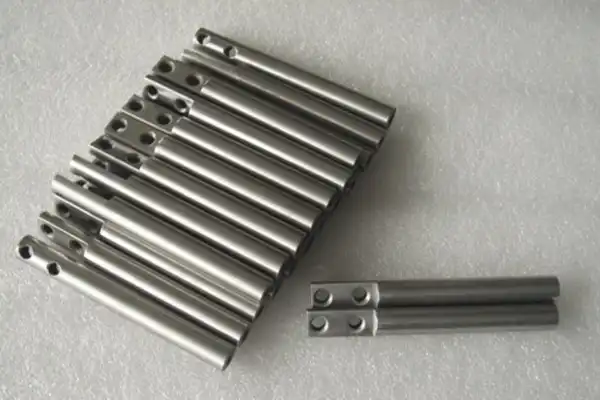
Material selection is paramount because it directly dictates a custom metal part’s functional success. The chosen material’s properties, such as corrosion resistance, strength-to-weight ratio, and thermal conductivity, must align precisely with the application’s demands. The Titanium Alloy Products excel in aerospace due to their high strength and low density, while Tungsten Heavy Alloy Plate is chosen for radiation shielding because its density effectively attenuates gamma rays and X-rays. Incorrect material choice can lead to premature failure, suboptimal performance, or excessive manufacturing costs.
Ensuring quality and compliance is non-negotiable in custom metal part production. Robust quality control measures can reduce defect rates by up to 40%, safeguarding project timelines and budgets. This begins with comprehensive inspection reports at various stages of manufacturing. Material certifications are required to verify that raw materials meet specified standards. For critical components, non-destructive testing methods, such as ultrasonic or X-ray inspection, confirm structural integrity without damaging the part.
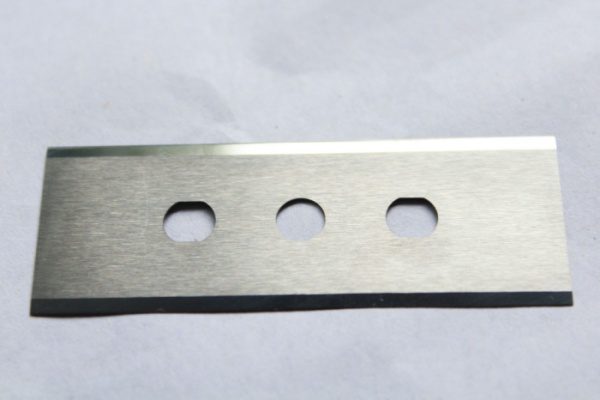
ISO 9001 certification is a key indicator of a supplier’s commitment to quality management systems. Regular supplier auditing ensures ongoing adherence to quality protocols and environmental compliance. Traceability records, documenting every step from raw material to finished product, are vital for accountability and problem resolution.
Selecting the right manufacturing partner is a strategic decision that impacts project success. A strategic partner can cut time-to-market by up to 25%, leveraging their technical expertise and production capabilities. Look for partners with extensive experience, particularly those with over 15 years in your specific material or process domain. Hubei Fotma Machinery Co., Ltd. brings over 30 years of specialized experience in non-ferrous metals and advanced manufacturing.
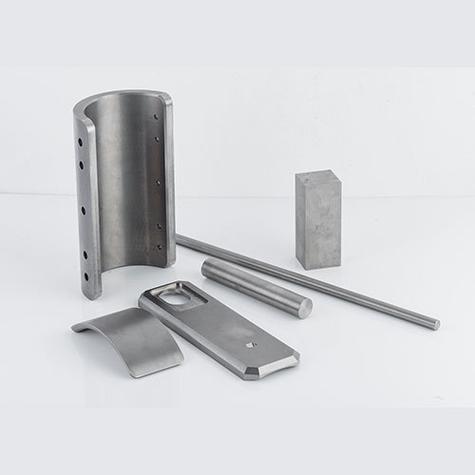
A reliable custom metal fabrication partner offers comprehensive supply chain management and proactive project management. They should demonstrate a proven track record in handling complex projects involving materials like tungsten-molybdenum products and titanium alloys. A long-term partnership fosters mutual understanding and continuous improvement, leading to more efficient and cost-effective solutions.
If you are interested in learning more about the properties and applications of these advanced materials, consider reading 《Analysis Of The Outstanding Performance Of Molybdenum Copper Alloy And Cmc Three Layer Structure Materials》.
Incomplete or ambiguous engineering drawings cause the most problems. Missing tolerance callouts, unspecified material grades, and unclear surface finish requirements all lead to parts that don’t meet expectations. Another frequent issue is skipping the design for manufacturability review with your fabrication partner. Catching geometry that’s difficult or expensive to machine early saves significant time and cost compared to discovering it during production.
Strict adherence to ASME Y14.5 for geometric dimensioning and tolerancing removes most interpretation issues. Include all critical dimensions, tolerances, material specifications, and surface finish requirements in a single consolidated drawing package. CAD models help communicate complex geometries that are difficult to convey in 2D views alone. Having a manufacturing engineer review the drawings before release catches ambiguities that design engineers sometimes overlook.
Every RFQ needs detailed engineering drawings, material specifications with any required certifications, quantity and delivery schedule, and quality control requirements. Specify any testing or inspection protocols the finished parts must pass. For non-ferrous metals, the exact alloy designation and temper condition are critical because properties vary significantly between grades. Including a target budget range helps suppliers propose solutions that balance performance with cost constraints.
Ready to bring your custom metal part designs to life with unparalleled precision and expertise? Hubei Fotma Machinery Co., Ltd. offers over 30 years of specialized experience in non-ferrous metals and advanced manufacturing. Contact our expert team today for a consultation or to discuss your specific project requirements. Let’s build innovation together. You can reach us at +86 13995656368 or [email protected].